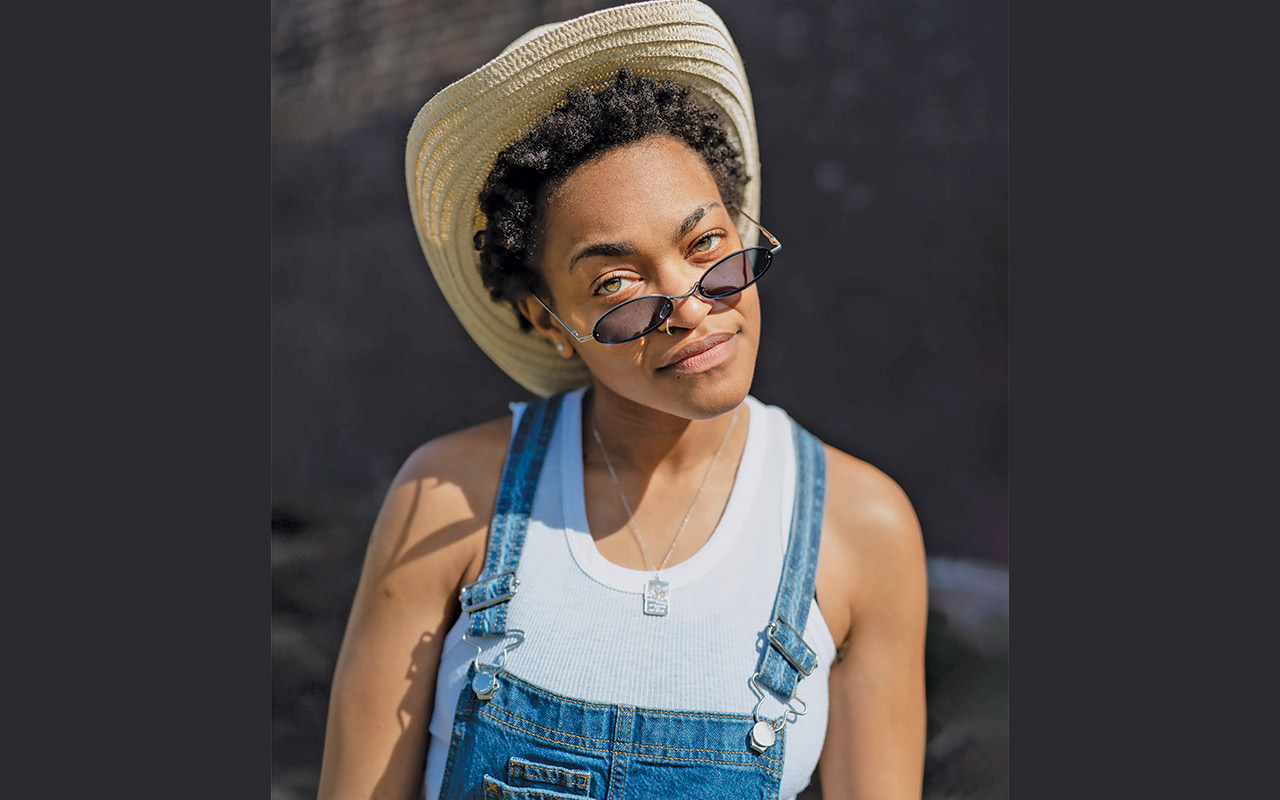
Sug Daniels of the Sug Daniels Band is a Delaware native, based in Philadelphia, singer-songwriter and storyteller. Her music from her debut album, I Believe in You, released in September of this year, encapsulates life’s experience in a positive and playful way.
How does the dynamic change when you’re performing solo versus when you’re performing with the full Sug Daniels band?





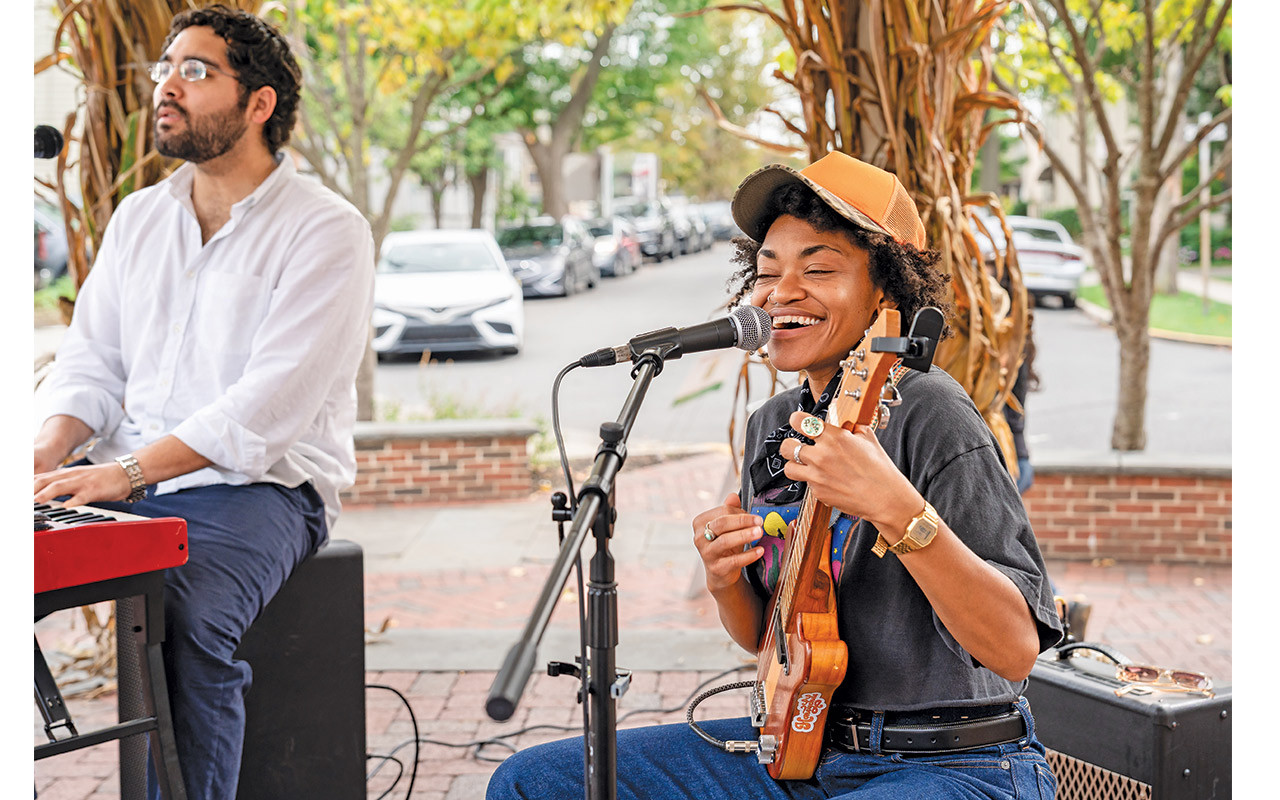
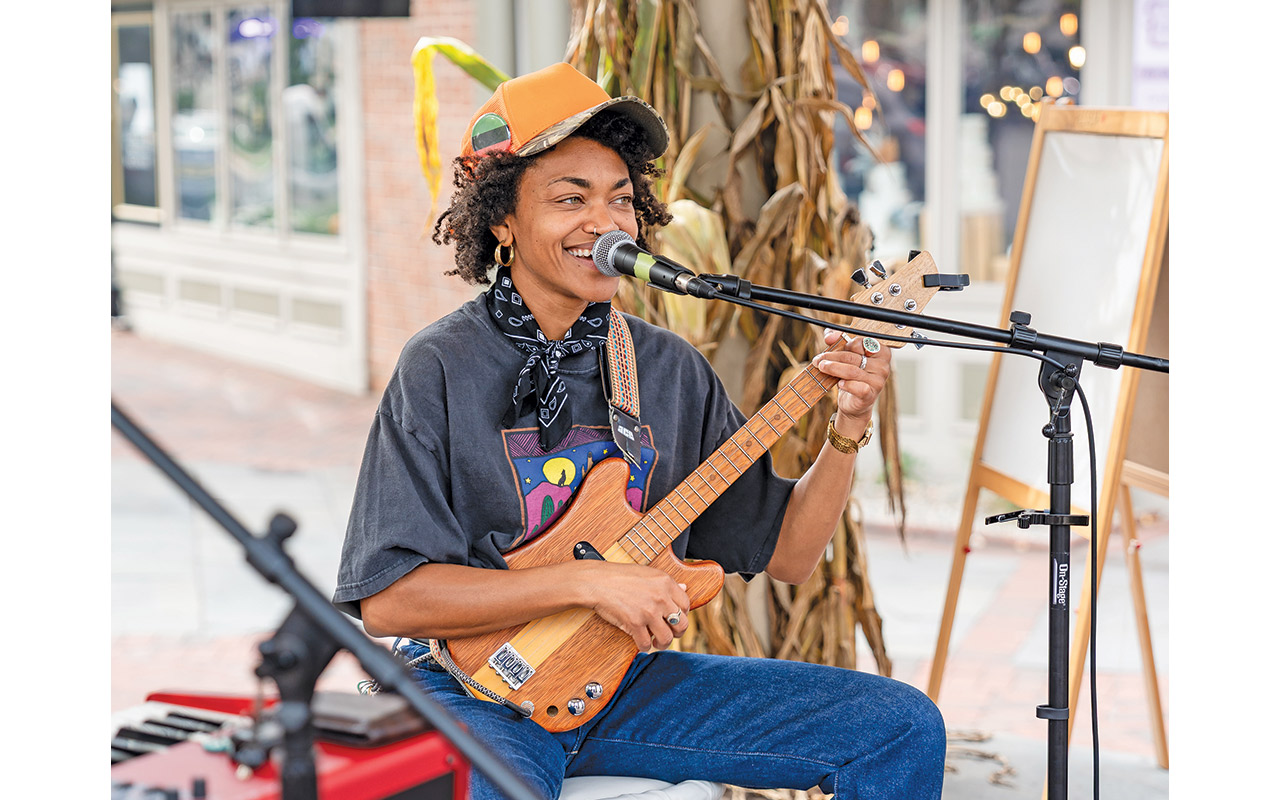
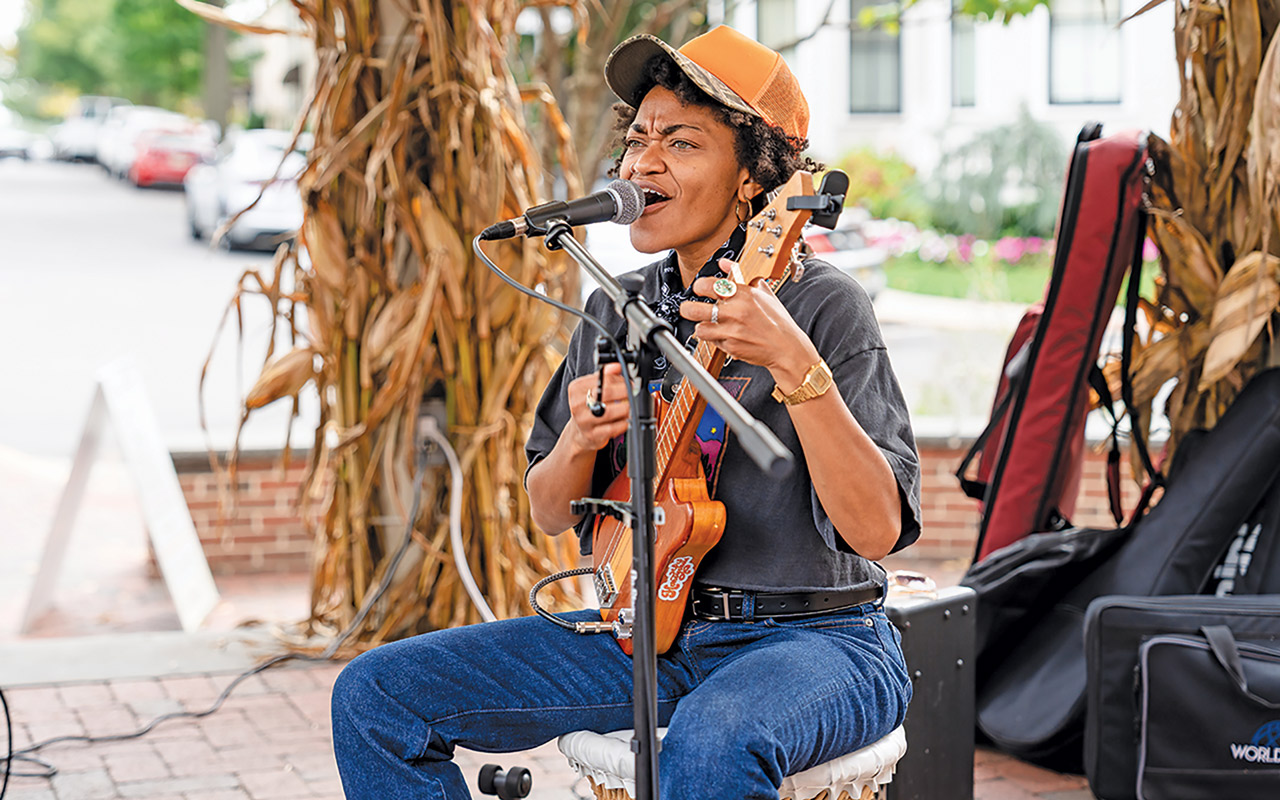
Sug Daniels: I’ve been calling my full band the Chosen Family Band, and it rotates all the time. Not only does the energy change from having a solo performance to adding some players, it changes with each iteration, too. We’re having fun, and we’re smiling, and we’re laughing, and we’re complimenting each other right on stage, and it really brings the audience in. It makes them feel like they’re also hanging out with us, which is exactly what we want. We create music in basements because it feels good to us. We bring it to the stage because it’s our way of sharing it with everyone. I feel like the more people I got on stage, the more it allows the audience to really cut loose and get into it.
Your sound weaves soul, folk, and a kind of rootsy intimacy. That’s kind of rare these days. What drew you to that blend, was it intentional?
SD: I grew up singing in church, so I feel like a lot of, like, gospel influence you can probably hear in my music and in my messaging. I started playing the ukulele during the pandemic, not really knowing how to play. I started playing a lot of basic chords, you know, G to E to D, and you just keep playing around, and then whatever comes out kind of comes out. I never was too picky with genres, even when I was in my other projects. It was like, what do I feel like making right now? I think Americana kind of came out with this soul flair, groovy beats, because that’s just what I had been doing up until that point. And with the tools around me, which at the time was the ukulele, I feel like the folk influence just comes from telling my story.
What did that process of finding your voice look like for you, especially as a black queer musician navigating traditionally white folk music spaces?






SD: I feel, if I’m being completely honest, I’ve always been in the Americana folk scene, very well-accepted. People in the folk Americana music scene, they are really out here for the diversity, they want to hear the stories, and they want to hear different stories. So, moving into this genre, even if I didn’t necessarily mean to, or it wasn’t a thing that I had really thought hard about, I just wanted to make some music. [It] tended to be a lot of the attention that I got was from those venues and those booking agents. It just was fun to experiment and have a good time.
I had done rap — I was a rapper for 10 years — and then I was in a funk soul band for five or six years. They were both fun projects, but really, really different. Each project got me closer to being able to express my true self. When I was a rapper, I didn’t really talk as much about my queerness, and if I did, it felt a bit more of trying to make sure that it was, for lack of a better term, “palatable.” I didn’t want to be isolated in that, especially because rap tends to be so male dominated. There’s a lot of diversity in it now, but I feel like at the time when I was doing it, I was surrounded by predominantly men and men who weren’t interested in hearing about a young queer woman’s story. I censored myself, and I would be careful about what I was saying.












When I got into funk soul, I didn’t think so much about my gender or about my queerness. I just really wanted to tell the stories that were kind of coming up. And it was a lot of separating from my family, and dealing with addiction problems, and dealing with just getting older, and moving away, and finding my voice. And then once I kind of parted into the Sug Daniels project, I just felt so completely myself. I felt I had already gotten so much of my blues out that I was ready to be just joyful. On the other side of all these trials and tribulations is this joy and hope, and when you can move through some of these difficult times you can appreciate them for what they were, which is just opportunities to grow and to learn.

A lot of your music or songs carry messages of love, resilience, and identity. What themes are you hoping listeners take away from your music?
SD: Basically, you’re not alone. Everybody, it feels [like] the world can feel so isolating, sometimes you’re the only person going through the thing that you’re going through. Another reason why it’s so wonderful to be able to have a platform to be vulnerable is because that feeling of being like I’m not the only person that feels this way, I’m not the only person that’s going through this, can make you feel resilient. I talk almost every time I get on stage during certain songs about my ancestors, and to know that my ancestors walked the same earth and went through these inhumane things and still found time to create music and art and food and community. It makes me feel like, well, if they went through that I can go through; I can do whatever I’m doing. You don’t know who you’re creating it for; I feel like somebody somewhere is going to need to hear it, you know? They’re going to have a different perspective or point of view.
What does it mean to you to be a black queer artist in today’s music landscape?
SD: There’s a lot of women that maybe didn’t tell their full story, you know, in fear of not being able to make money, or [not] be accepted, or be blacklisted. I feel that now that I’m in a place where I can use my pronouns, I can tell my story. I feel like it’s important for me to be completely 100% authentic, because we’re living in a time where I’m able to do that. And a lot of people fought and died in the streets, marched in the streets, burned so I could like women. I feel like we have always been very good for advocating for ourselves. There was a time when we couldn’t vote, we couldn’t wear pants, we couldn’t get a bank account. I feel my duty right now is to be exactly who I am authentically and to continue to push the envelope. So the people who are coming up after me are still able to experience the same kinds of freedoms.
What is something your fans don’t know about you but should?
SD:: I’m naturally an introvert. I think that people really think I’m an extrovert. But really what it is, I take a lot of time for myself.
Can you talk a little bit about what keeps you grounded?
SD: I meditate for about 30 minutes every morning, and then I go make my coffee, and I do my stretches while I make my coffee, and then I do a little journaling, and then I do some schooling. I have certain routines. You can’t really control what happens in the middle of your day, but I feel if you can kind of have your little morning routine, and then some nice sleep hygiene, whatever you do to take care of yourself so you can rest your mind and your body, I feel it’s important to keep those things close to you, because it just keeps everything else so much more even keel.