The founding in 1985 of the South Jersey AIDS Alliance came at a time when the gay community was forced to take care of its own. The federal government had been silent since the disease was first identified in 1981 (President Ronald Reagan didn’t publicly mention AIDS until Sept. 17, 1985), and there were no grants or other funding to start organizations to help.
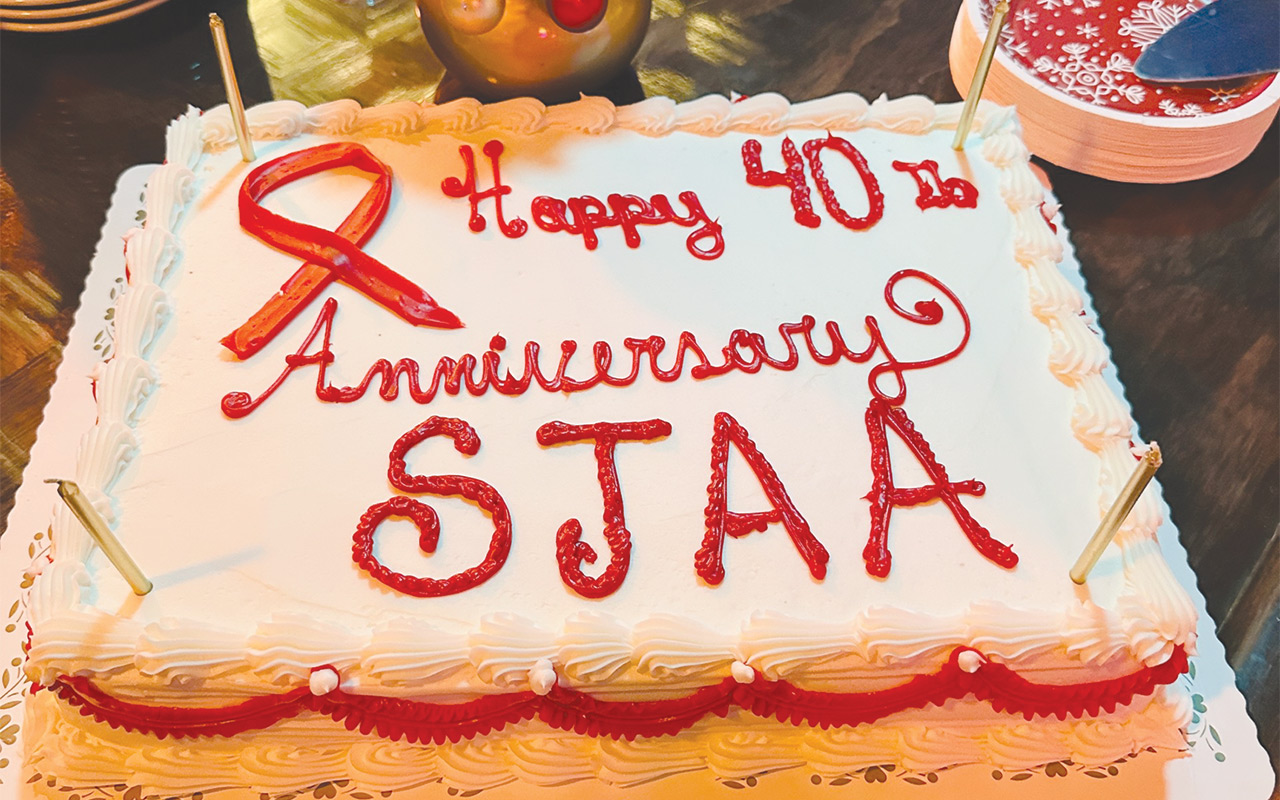
John Schultz, an Atlantic City businessman who owned gay establishments in the city, saw many of his employees getting sick and dying “terrible” deaths, oftentimes alone. So Schultz, who later was a city councilman from 1994 to 2001 and from 2006 to 2009, formed the SJAA, which observed its 40th anniversary on Dec. 4, 2025 the date of its incorporation.





“I am proud to see what we accomplished over the years. The way the organization started and continues to function is a huge accomplishment. To me, it is a really touching example of how people working together can make a difference,” Schultz wrote in his book, King of Clubs, what he called his “rags to riches story” on how he built a “gay empire” in Atlantic City. Schultz provided excerpts to Out In Jersey.
“Even though I feel good about all the help we were able to give to AIDS patients, to this day I am sad and hurt by how many good friends I lost to that goddamn disease. Those years were so tough; sad beyond words,” Schultz wrote.
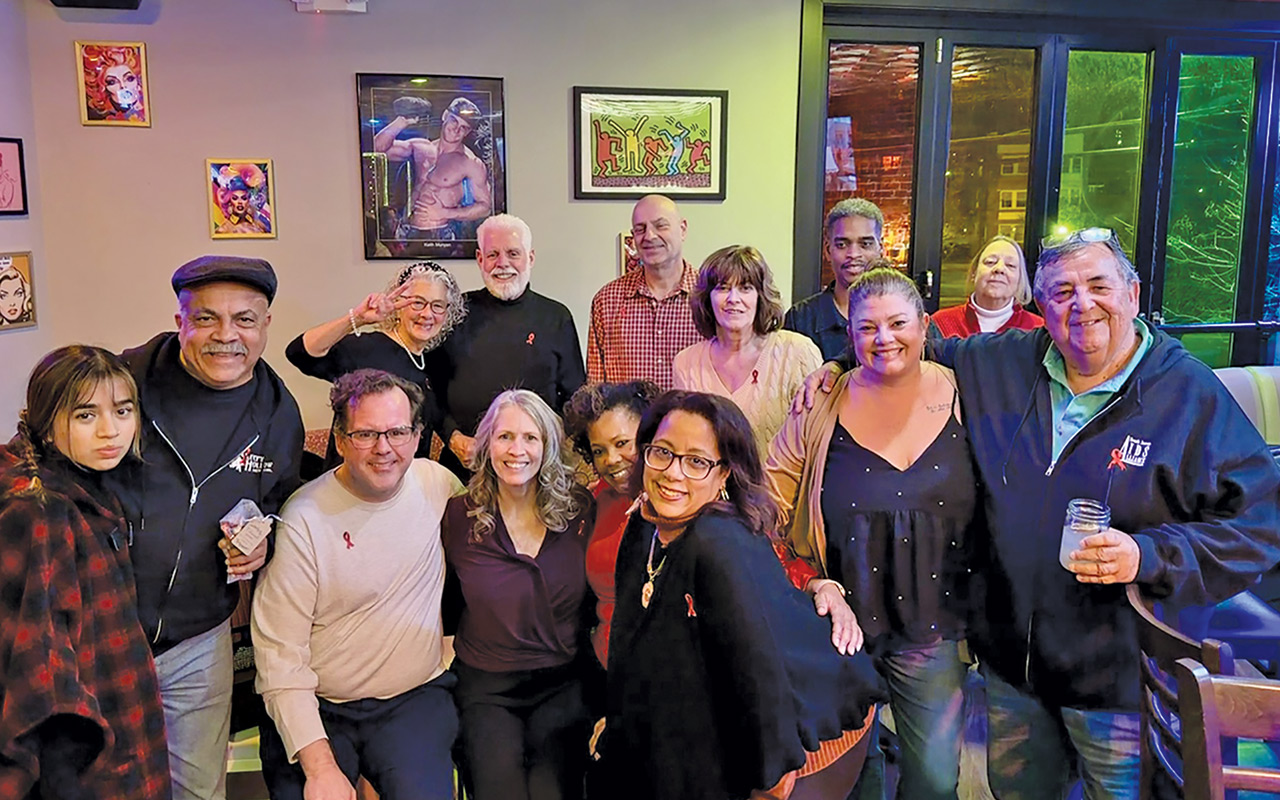
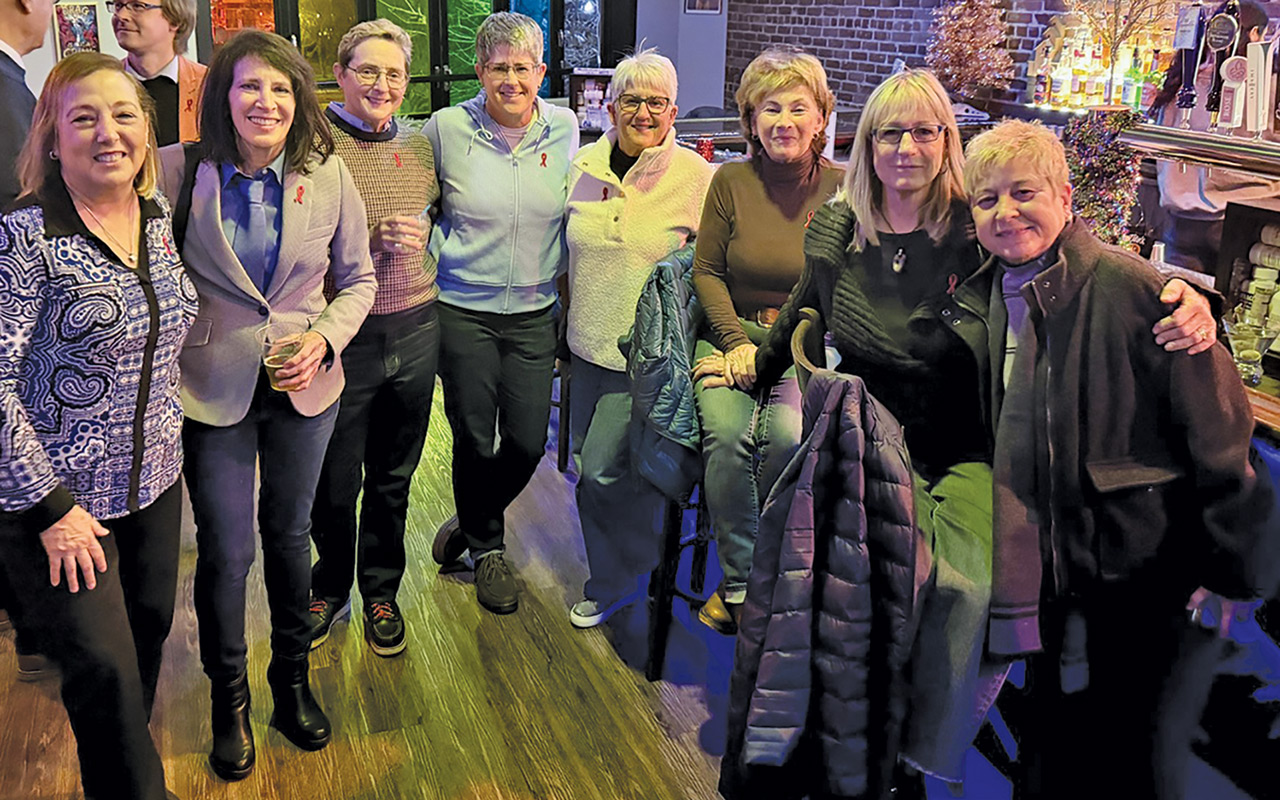
To commemorate the anniversary, the alliance held an event it called a “Toast of Remembrance” on Dec. 4 at the ByrdCage restaurant and bar in Atlantic City. SJAA President and CEO Georgett Shelton said in a speech to those in attendance that the alliance “was born out of courage, compassion, and a profound sense of responsibility.”
“At a time when fear and stigma were overwhelming, a small group of people came together with one clear mission: to ensure that no one facing HIV would ever have to face it alone,” said Shelton, who has served the organization since 1992.






Attending the commemoration were current and former alliance clients, staff, board members, volunteers, civic leaders, and community partners. Schultz — who has retired and spends his winters in Florida but remains involved as a member of the advisory board — was not in attendance.
In her speech, Shelton recognized Jill Ojserkis, the Alliance’s attorney, who has done pro bono work for the organization since she incorporated it as a young lawyer all those years ago. Shelton honored Ojserkis’ commitment, saying it’s fitting that the 40th anniversary is symbolized by the ruby because rubies represent strength, passion, protection, and unwavering resilience — “qualities that shine just as brightly in you as they do in the gem itself.











“For four decades, you have been our strength, offering steady guidance through every challenge and every triumph. You have brought passion to this mission from Day One, believing deeply in the dignity and worth of every person we serve. Your wisdom has protected this agency’s heart, ensuring that compassion and justice remain at the center of our work. And your resilience — your steadfast presence across 40 years — has been nothing short of extraordinary. Jill, you are, in every way, the ruby of this organization,” Shelton said.
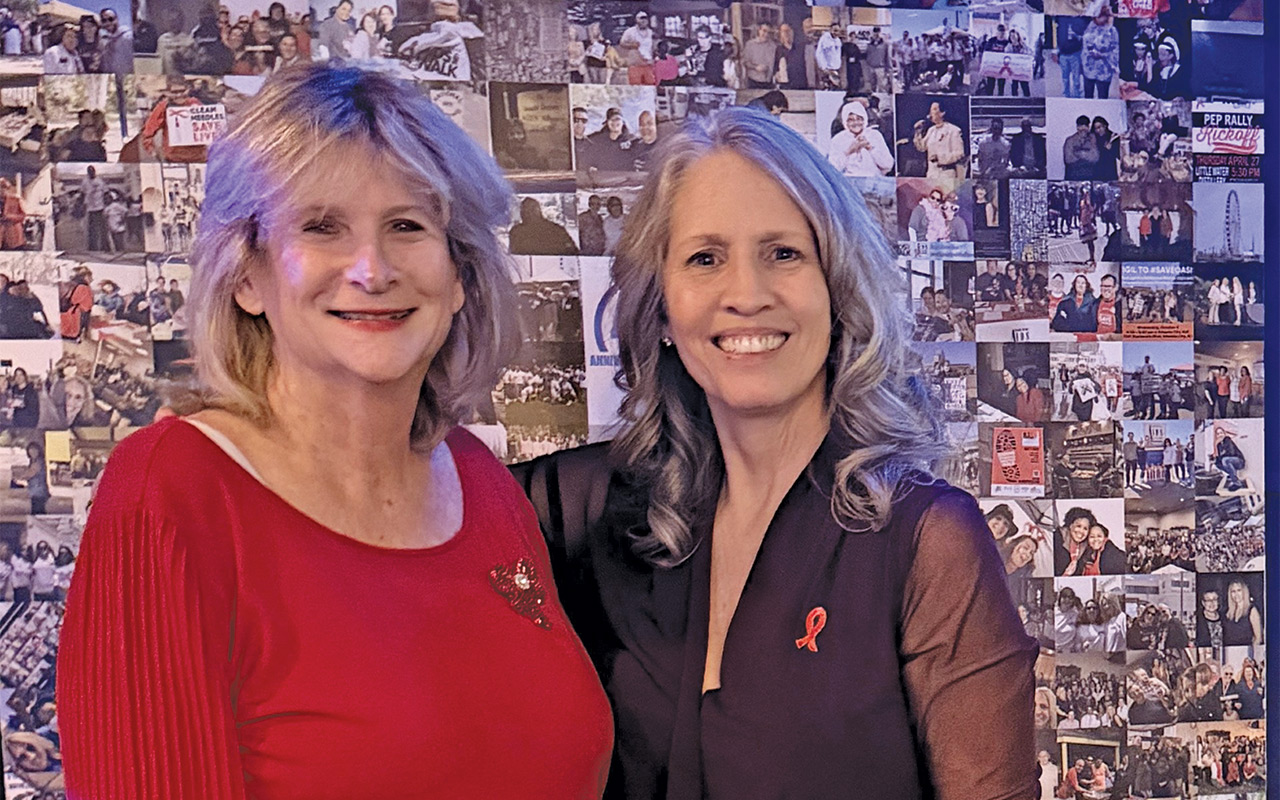
Ojserkis said in an interview after the commemoration that she remembers the day when a group of men walked into the law firm, which is no longer in existence, where she was working as a brand-new lawyer and asked for some assistance in creating a nonprofit entity that would provide support in the fight against HIV/AIDS in the Atlantic City area.
She joked that because she was the new kid on the block at the time that she was given the assignment because the firm would be doing the work pro bono. Ojserkis helped the men with the incorporation documents and decided to continue to assist the organization, saying she thought she could use her power as an attorney to provide some assistance as a person who is interested “in fixing social ills to the extent that we can.” She said she felt at the time not enough was being done in the country to help.
“I’m so proud to be a part of this supportive and empathetic organization. It’s my pleasure, and I was surprised to be honored, and I’ve done nothing compared to so many, but it’s been great,” Ojserkis said. In addition to providing legal services, Ojserkis is a board member, past board chairperson, has been on the executive committee, and chairs the nominating committee.
Another person who felt honored was Richard Helfant, owner of the ByrdCage. Helfant said it was an honor to host the event because he is dear friends with Schultz. “When [Shelton] reached out to us and said, “Would you be willing to host the 40th anniversary?”, there was no question. Absolutely. Anything we can do to help the alliance grow and to support what it does and how it serves the community, it’s our pleasure to do it, and the fact that John Schultz was the founder of the organization makes it even more personal for me,” Helfant said.
The disease has been personal for so many, having cut the lives of beloved partners, friends, sons, and other loved ones tragically short. Between 1981 and 1990, approximately 100,777 deaths from AIDS were reported in the United States, according to the Centers for Disease Control. Schultz in his book related a memory of a loyal employee of his who was sick and dying. “He was weak but still wanted to see his mother one more time before he left the world,” Schultz wrote, adding that he paid his employee’s way to California so he could see his mother one last time.
Some victims of the disease never got to see their families before they died; some families never wanted to see their loved ones again and rejected them after they were diagnosed. Many never received proper burials. “In fact, some undertakers wouldn’t bury anyone who died from that ‘gay disease.’ They put AIDS bodies in red body bags so funeral homes would be able to decide whether they would pick up the body. Some were just buried in Potter’s Fields kind of cemeteries — tossed away and forgotten,” Schultz wrote.
SERVICES INCLUDE include comprehensive case management, free HIV testing and prevention services, harm-reduction programs, naloxone (Narcan) distribution and 24/7 NaloxBox station
Much has changed since those early days of the pandemic. The disease is no longer a death sentence and is now a manageable condition. The organization has kept pace with the changes and has transformed itself since the time it was founded simply to provide comfort for victims as they died to one that now offers services that include comprehensive case management, free HIV testing and prevention services, harm-reduction programs, naloxone (Narcan) distribution and 24/7 NaloxBox stations, nursing services and medication assistance, food pantry support, transportation to essential medical appointments, mental health referrals, counseling, and community outreach. SJAA is headquartered in Atlantic City and serves Atlantic, Cape May, Cumberland and Salem counties.
Also in attendance at the commemoration was Assemblyman Don Guardian, R-2, who is a past chairperson of the alliance and sits on the advisory board. He also was mayor of Atlantic City from 2014 to 2018. Guardian got involved with the alliance in the early ‘90s when Schultz asked him if he would be interested in helping. The two already were members of a number of organizations together including the Rotary Club of Atlantic City. Guardian told Schultz, he assumed that Schultz was asking him, not because he liked him, but because he was a casino executive and could bring in money to provide financial support. Guardian said he told Schultz that’d he check with his boss at the Claridge Casino Hotel where he worked. His boss was “absolutely” supportive, and other casinos started to come on board.
“all of a sudden gays weren’t having summer parties anymore because they were afraid that the mosquitos might bite someone with AIDS and then give it to you.”
Then, Guardian decided to get more community involvement and began reaching out to other businesses in the city such as banks and engineering firms. He also brought Broadway performers to the city to help raise money. After a few years, he said, grants became available. Guardian remembers the dark days of the pandemic when nobody really knew how AIDS spread.
“It was pretty bad. I remember, this would have been the later part of the ‘80s if my memory is good, all of a sudden gays weren’t having summer parties anymore because they were afraid that the mosquitos might bite someone with AIDS and then give it to you,” he said, adding that people were afraid even to drink a glass of water served or poured by a waiter.
As in the early days, the organization still conducts fundraisers. One of its most popular is a drag spoof on the Miss America Pageant called the Miss’d America Pageant, which raises money for other organizations as well. It was founded by Schultz and his husband, Gary Hill, in 1993. The event got its name because many workers on the Miss America Pageant are members of the queer community, and they miss the event because they are working backstage. Helfant is the Miss’d America Pageant’s executive producer, and Ojserkis is also involved.
The greater Atlantic City region benefits from other philanthropic endeavors for which Schultz and Hill are responsible. The two established the Schultz-Hill Foundation in 2002 “to promote and support arts, history and education in South Jersey,” according to its website.