How far can righteous indignation be taken before it becomes its own system of repression? Can the actions of the past ever truly be judged by the mores of the present? How much does the context of the times mitigate actions that are now seen as at best misguided and at worst systematically repressive? These are questions that rise in the course of the play Babe by Jessica Goldberg, now being given its New York premiere by The New Group.
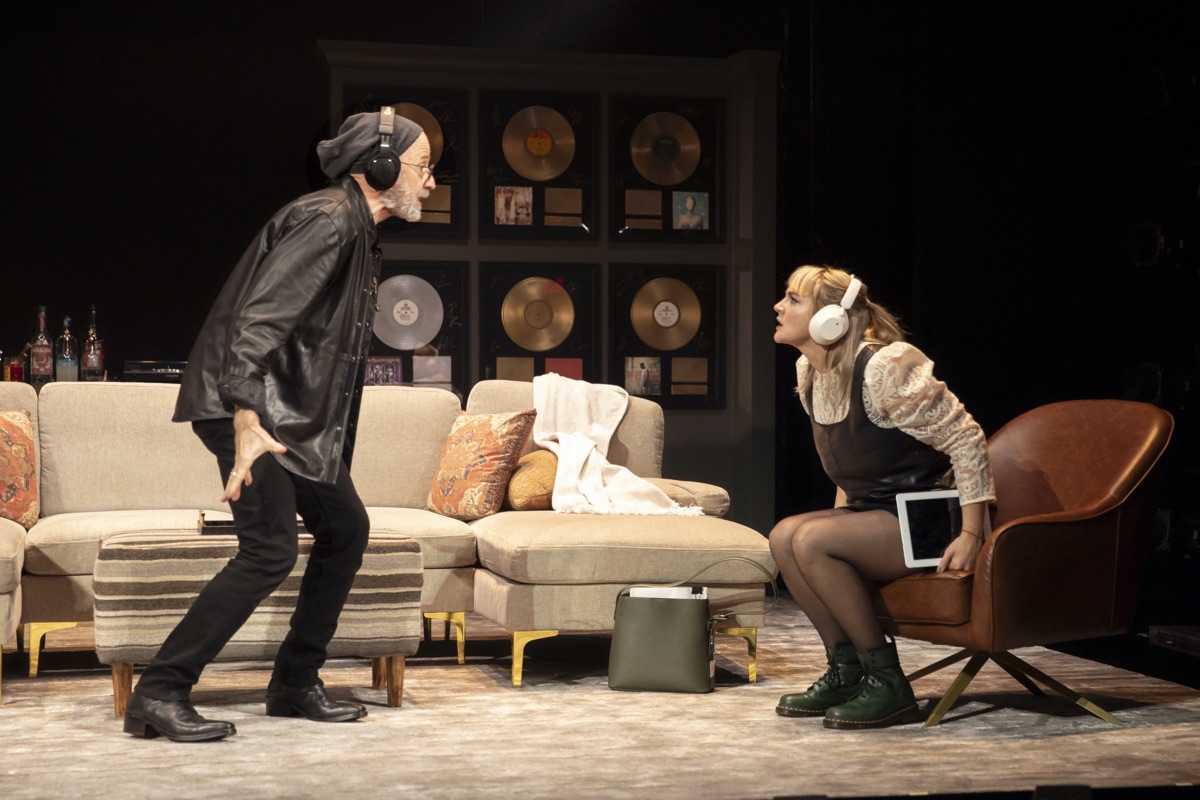
The play, taking place in the recording industry, revolves around Gus, one of many producers at his company; Katherine, a recent college grad interviewing for an assistant’s position; and Abigail (or Abby), Gus’ long-time associate producer. Gus is unapologetic about his use of strong and sexually-laced language, his drinking, or his drug use.




Katherine has her own agenda, forged in the rightness of her beliefs, barely hidden under her smiling demeanor. Abby is caught in the middle: she has decades of history developing artists and repertoire with Gus, yet never got due credit as a co-creator of Gus’ hit albums. Katherine wastes no time in encouraging Abby’s resentments. However, Katherine does not take into consideration historical repression of women’s contributions to business: the glass ceiling and traditional gender roles that professional working women had to deal with regularly, and sometimes still do.
Playwright Goldberg’s language is sharp and at times funny, developing the personae of her characters as real people caught in a modern-day dilemma. In presenting this, director Scott Elliott has given tight, nuanced direction to his talented cast. Arliss Howard’s Gus is a man at the top of his profession, yet susceptible to the uncertainties of a business where you’re only as good as your last album. Gracie McGraw as Katherine maintains a steely core beneath her only-trying-to-help facade; she also scores in flashback scenes as Kat Wonder, a bright, talented singer groomed by Abby who fell victim to burnout and drug use.
Towering above them is Marisa Tomei’s performance as Abigail. Her Abby is a product of her times, her skills and abilities subordinated under her mentor, maneuvering the system to the best of her abilities. Katherine allows her to imagine a vision of herself at a young age, eager to make her mark on her chosen profession but having to be satisfied with small victories.
When she finally gets her chance to shine on her own, Abby finds herself under attack from an unexpected corner, and her shock and disbelief over this ambush are as palpable as they are surprising — and, in a way, expected.






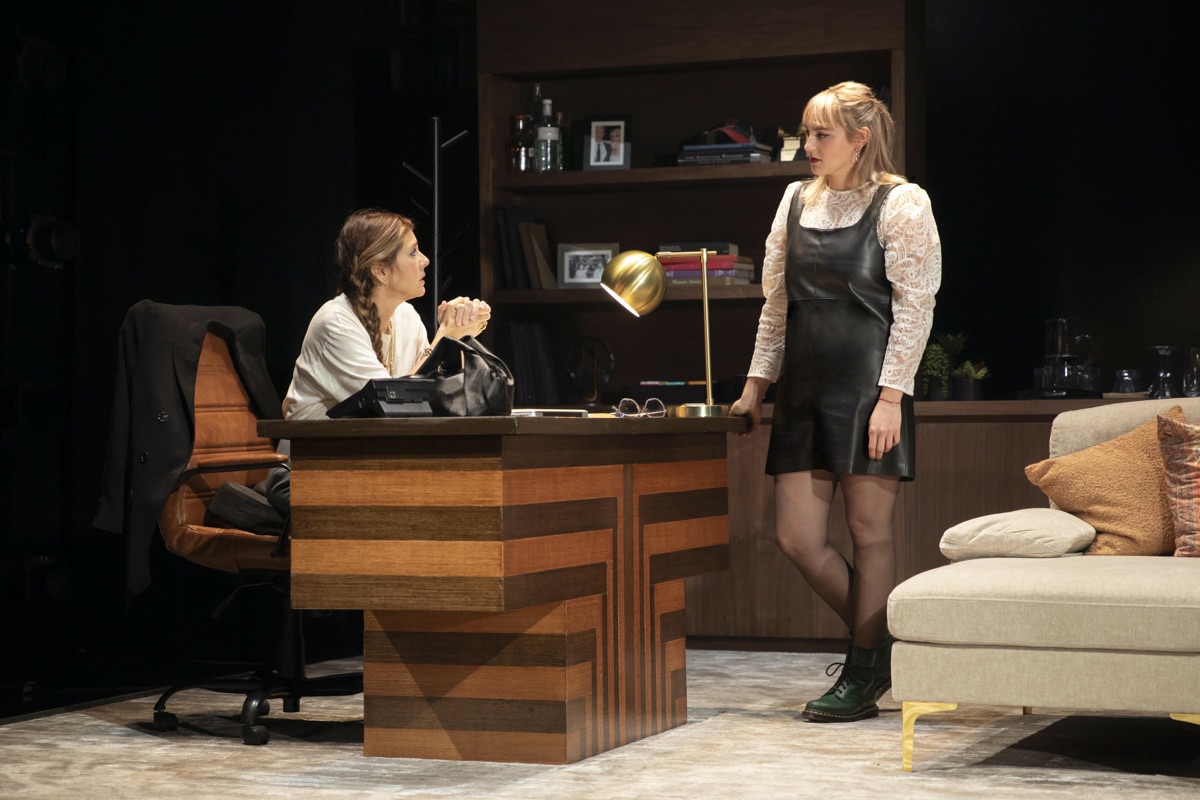
Shifting alliances between the three characters of the play do not help in answering the questions I raised at the start. Babe does not provide clear guidelines to help the audience through the wilderness of political correctness. It is a cautionary tale wrapped up in a tersely written story of corporate politics. It is smart, fast-paced, and brilliantly told and acted. It is a must-see for those who like a little bite in their dramas. I encourage you to spend some time getting to know this tough Babe!
Babe is presented by The New Group in the Alice Griffin Jewel Box Theatre at the Pershing Square Signature Center, 480 West 42nd St., in New York, through Dec. 22, 2024. For more information or to purchase tickets, go to thenewgroup.org.