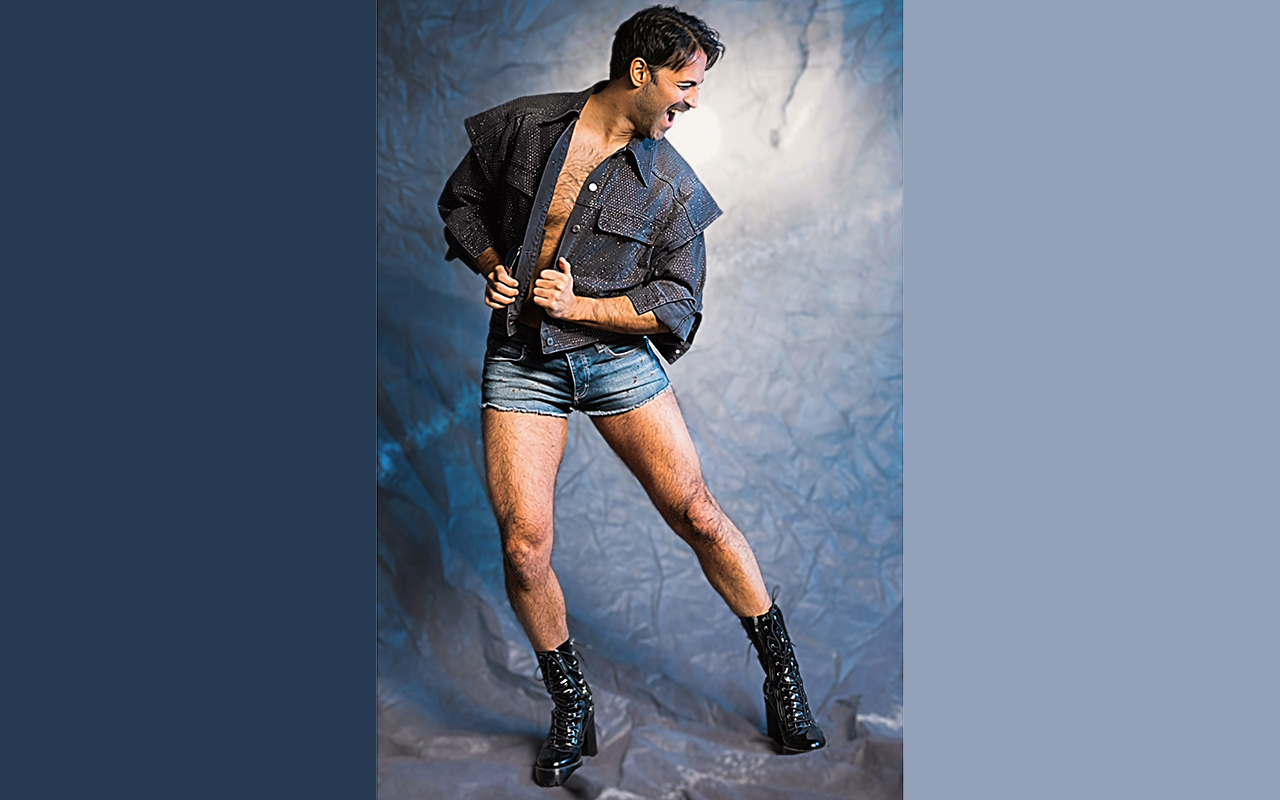
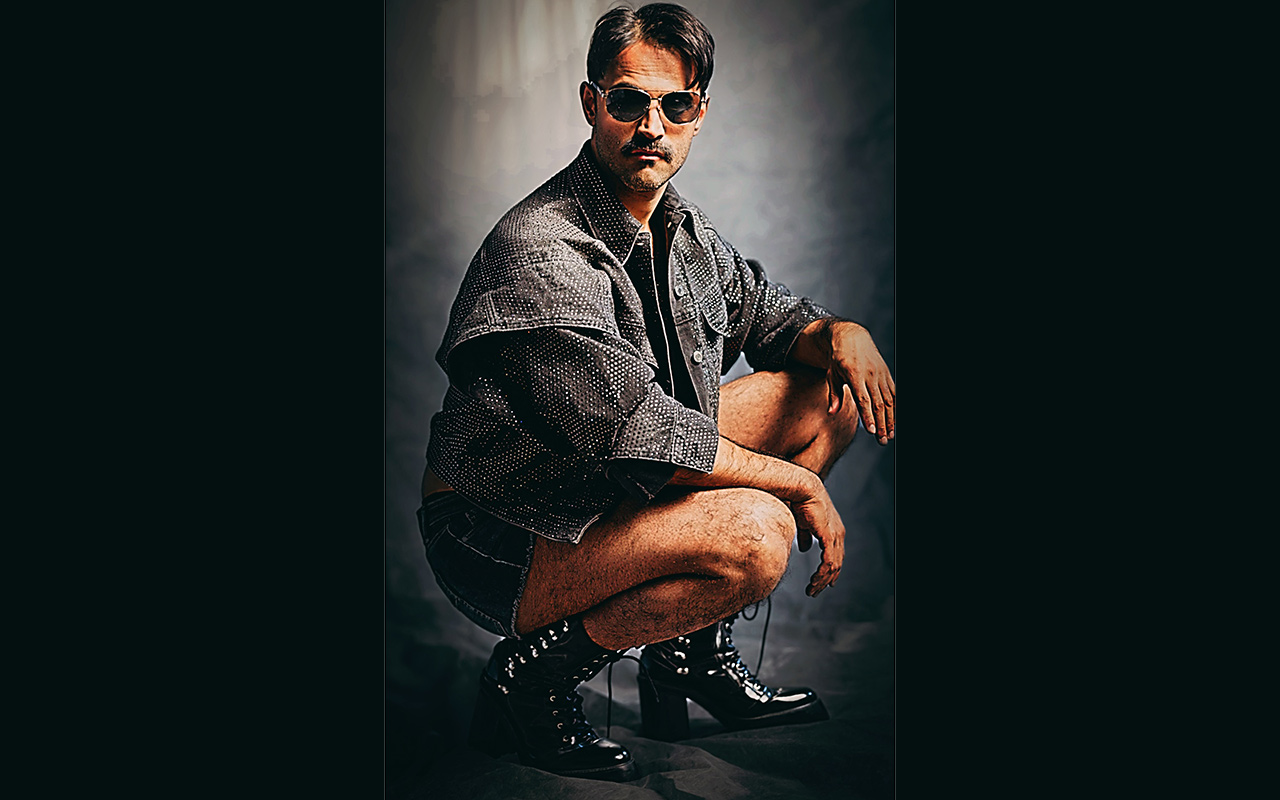
Canadian pop music goes hand-in-hand with gay power anthems. We’ve been blessed with the modern crooning’s of Orville Peck and Carly Rae Jepsen and the timeless classics all queer folks and allies adore, like Canada’s own Celine Dion. A new up-and-coming singer from the talent-export-heavy country is Aman Dhesi. A lifetime of longing for the spotlight led him to leave a 9-to-5 job and focus on attaining star power on stages worldwide.
Capturing the frivolous freedom of nightlife in his new album Restless Night, Dhesi spoke about the inspiration for his clubby sounds, his musical influences as a Millennial, and why singing has always felt like a form of therapy. In his first sit-down interview, Toronto-based Dhesi shares the joys and pressures that come with paving your own path.




When did you decide to make the jump from fan in the crowd to the singer on stage?
Aman Dhesi: So when I released this album on March 6, I actually did a little bit of reflecting. That brought me full circle back to the realization that singing was something I wanted to do. So rewind back to 2005. The pop culture, the music world was very different at the time. I was a huge fan of U2. They were kind of on an upswing.
They had come back to prominence during the 2000s. I was in university at the time, and they were going on their Vertigo Tour. I was so excited to see them in concert. There’s something so cool about having a band that you identify with. I loved their sound, their music… You carry it like a badge. That was the band for me at the time.
I grew up in Vancouver, in British Columbia. When I went and saw that concert, it completely blew me away. I just remember watching the band on stage, watching Bono as a frontman, going through their catalogue of hits, and watching this sold-out arena light up with just this electric energy. After the concert, I went home and I just couldn’t sleep. I think that was the night when I came home and felt I had to do something about chasing my dreams.





I just knew that there was something inside of me, but up until that point, I kept telling myself, “No. Go focus on university, go out into the world, get a job, all of those things.” Then, I did those things, but that was the beginning of it. I wanted to sing. That’s sort of what put me on that journey.
I don’t come from a musical background. I don’t have any formal training or anything like that. I came to this a little bit later in life. But it started with just cutting class that very next day and going to a little karaoke place to sing by myself, just to see what that sounded like and what that felt like. Then it went to performing at a karaoke bar in front of my friends, in front of a group of people, and just getting that rush and realizing this is actually something I really enjoy.








I remember around that time there was a rock bar in downtown Vancouver that I used to go to, and the lead singer of that house band absolutely blew me away. His voice was incredible. One night the band went offstage and went downstairs into their dressing room to relax between sets. To get to the stairs, you had to sneak behind the bar. So when no one was looking, I ducked and ran down the stairs. I went into this spacious basement area where they had couches and the band was just hanging out. From their vantage point, they probably just looked at this kid. Most of them looked like they were about to call security. But I went right to the singer and I was like, “Hi, my name’s Aman. I think you’re a great singer. I want to sing. I really want to do this. Can you please teach me?”
It turned out he was so great. I was lucky enough that for a while he kind of took me under his wing. He taught me how to sing, get up in front of a crowd and perform. He taught me how to write songs, how to put songs together in a studio. That was the very foundational beginning of me wrapping my head around what it would look like to create my own songs. I completely fell in love with that. From there, I started writing my own songs, and then about 12 years ago, I relocated to Toronto, where I’m currently based.
It’s just been one thing after another. I always continued with singing and performing, whether it was an open mic night or just going out to a karaoke bar. There’s something about being on stage with a mic in my hand; I get to channel that part of myself that I really want to express.
Defiance is a great feeling to channel and share. How does it feel to have your music out in the in the community?
I was in this competition around 2014. It was a regional televised competition for original singer-songwriters. One of the judges is now my producer. I was a finalist, which was fantastic because the finalists recorded a group single and got to perform at World Pride, which was in Toronto that year. That was such a rush.
From there, it was around 2017 that I finally decided I’m just going to do it. I teamed up with my producer, my current collaborator Mark Zubak, and I spent about a year recording my first EP, which I released in 2019. It was about four years ago that I went back into the studio. I didn’t set out to record an album, I just had ideas for maybe a batch of songs, and it built from there. At some point I realized that we’re making a full-length album here.
the biggest thing that artists give each other isn’t inspiration — it’s actually permission.
Sounds like you found your path and chased your dreams. Any advice for folks wanting to do the same?
A.D: I read this quote by a queer writer based in New Orleans, Leo Herrera. He said something that really resonated with me while I was creating this album. He said something to the effect of: the biggest thing that artists give each other isn’t inspiration — it’s actually permission.
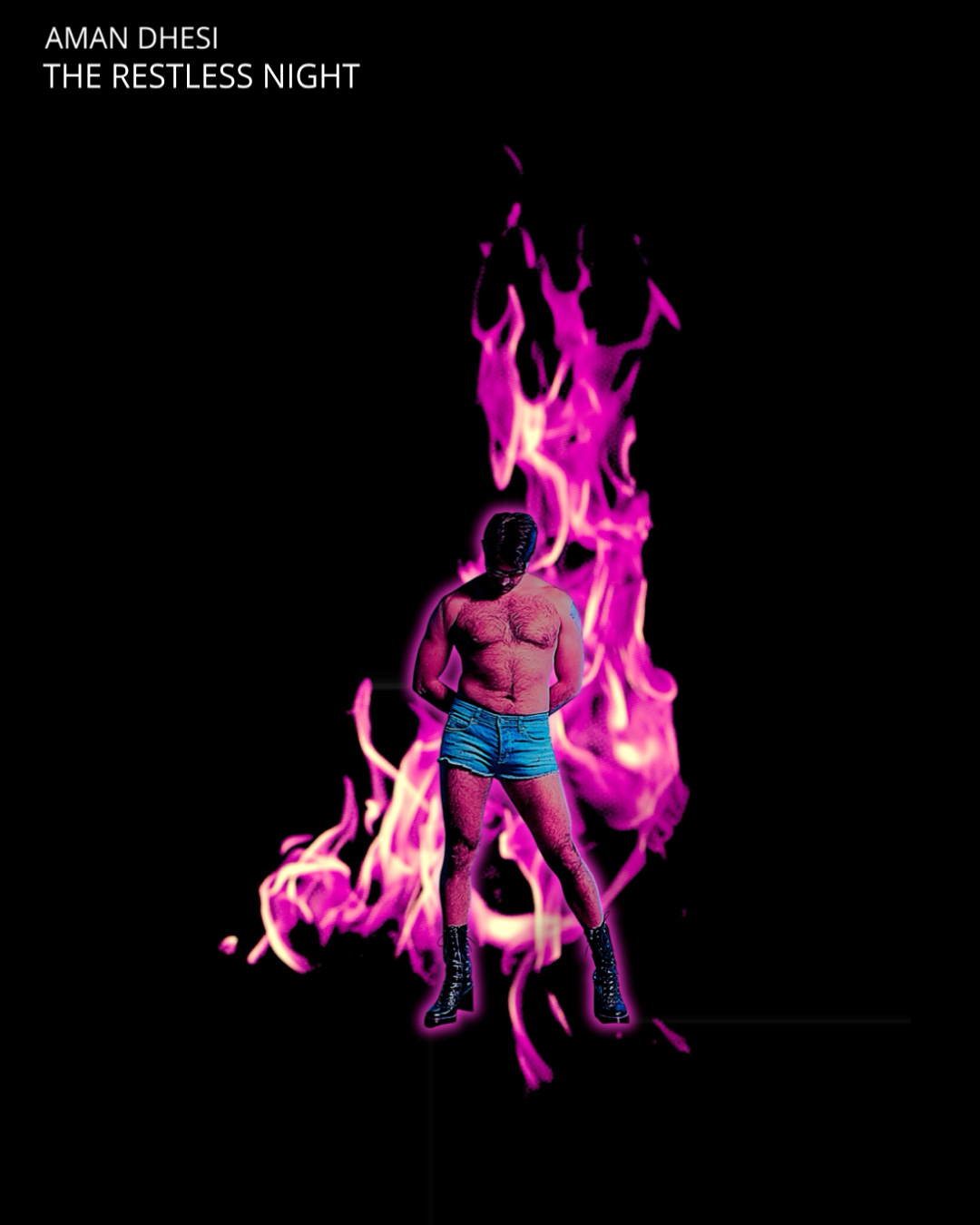
There are so many of us who walk through life with a version of ourselves that’s a little bolder, a little more honest. A little louder. I think all of us have a side of ourselves that’s creative, that’s artistic, that has this need to express itself. But life can get in the way. We can talk ourselves out of it because life happens. It can all contribute to silencing that part of ourselves.
I looked at so many artists along the way and realized that, yes, they inspired me, but there were a handful of them where I felt like, okay, I’m actually being given permission that I can do this. So for me, if putting out this album sparks that desire in even one person out there to go and do the thing, whatever that is, whether it’s writing your own music, crafting your own songs, releasing poetry, writing that book, or doing that thing that taps into that part of yourself that you know lives inside of you — that flame we all have inside of us — go and do it. It doesn’t matter how long it takes. It doesn’t matter the scale or the scope. Do it because it taps into something that’s so deeply fulfilling for you.
Do any songs on Restless Nights channel that sense of freedom?
A.D: Yeah, they all feel like their own chapters because the connective tissue of each song is that every song taps into a different emotion. The whole point of this album — it’s sort of set in a world based in the nightlife, everything around the nightlife. It’s not about running away from those emotions. It’s about staying present in them.
I wanted to record something that was an anthem for queer people.
I think the one that really gave the album a big part of its identity, the one I really talk about, would have to be “Renegade Kiss.” That song is bold and defiant. It doesn’t pull any punches. For me, I wanted to record something that was an anthem for queer people. Something that a lot of other queer people will feel, especially people who feel like their identity, their queerness, is something they’ve had to keep tucked away as they make their way through the world, or something they have to edit or calibrate depending on the social situation they’re in.
For anybody who’s ever felt frustrated because they’ve had to do that, this is the song for you. So it takes all the things that people would say to me or think of me because I’m made to feel “other” — which, at various points in my life, I have felt, and I’m certainly not the only one. This is the song where you defiantly step into that and claim it. The period of writing that song, recording it, was really cathartic. I’m really trying to say something.
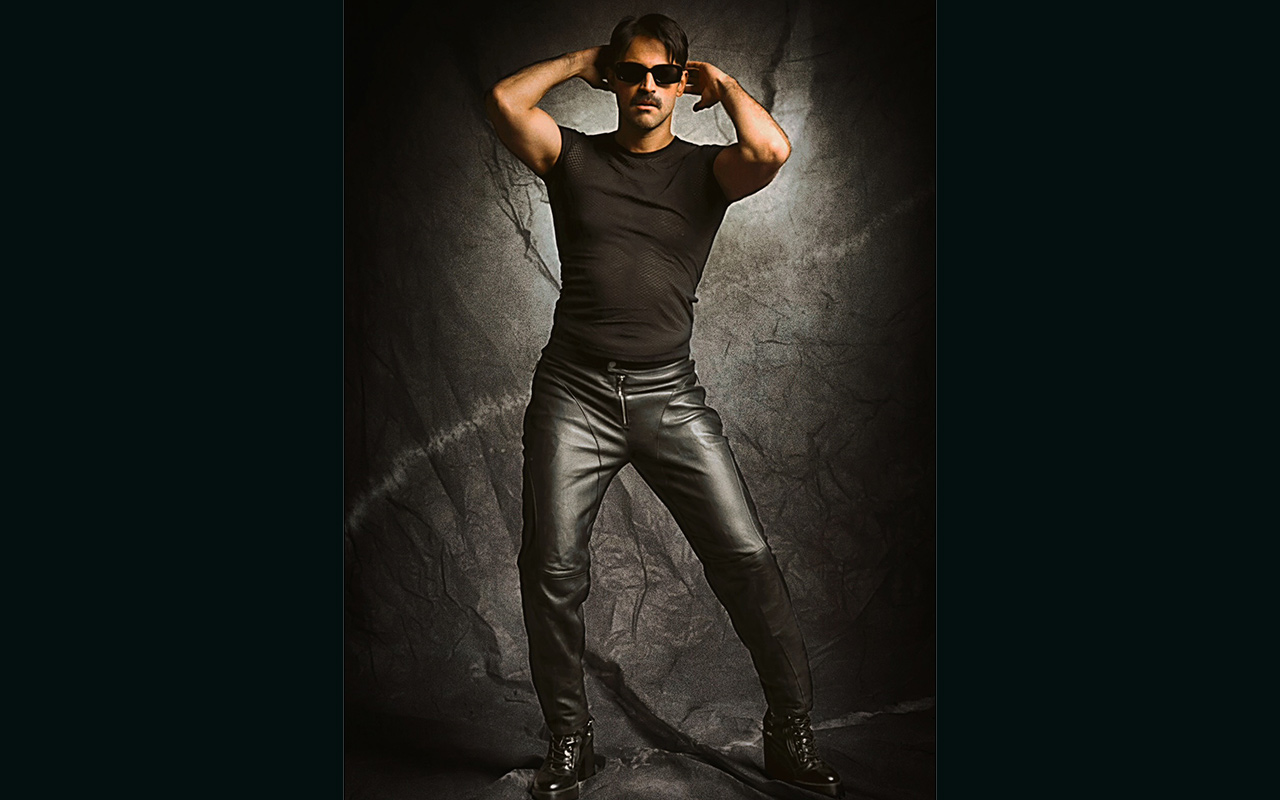
Even when I released it in the summer and was promoting it, I feel like I really channeled myself and let out a side of myself I had never given myself permission to before. And everything, from how I promoted the song on social media to the campaigns, the aesthetics, the video we shot, and the performances: it was a very special time. I try to do this with every single, but with “Renegade Kiss” I feel like I really built a world around that song.
A.D: I’ve had a few of my friends say to me that they caught my song on a playlist or it showed up on their release radar. That’s always a great feeling, that the people that you’re closest to [are] checking out your music and they’re identifying with it. It feels great.
I just go back to this sense of feeling really honest and letting out a part of myself that, up until this point in my life, I always felt like I had to tone down. I think a lot of people, I’m a millennial, and most people I know around the same age, we have experienced that. Certainly queer people of previous generations, too. It wasn’t safe to be out, and not only that, but to be out and proud was impossible.
So for me, if I’m putting out a body of work in this community that taps into this rebellious desire to be your most authentic, self-actualized, realized version of yourself, then ultimately, that’s what I set out to do. I say all the time that the biggest change in the world comes from people who don’t hold back, who don’t shrink themselves, who don’t move through the world feeling small.
You tap into that part of yourself: the loudest, boldest version of yourself. That doesn’t necessarily mean you have to be rebellious or angry. It could just be unleashing that part of yourself that we often keep tucked away. That is exactly the quality that needs to be put out into the world. That’s the stuff people need to see. And I actually think that, going back to this idea that music gives permission for other people to be their most authentic or realized version of themselves.
In making this album, what’s something you’ve learned and something you let go of?
A.D: When you embark on something like recording an album, especially one that’s personal and drawing from a well of emotions you may not have processed, it’s almost a form of therapy. You start to learn about how you feel about certain things. Ultimately, you start to learn about yourself. You actually realize that this is how you felt about this. You wait a minute and see this thing that happened in the past actually had more of an effect on me than once realized.
That’s the songwriting process, which I think is so therapeutic. I learned that oftentimes the things I don’t feel confident enough to articulate in conversation, I can channel into my songwriting and turn it into some kind of statement in the form of a song. I realized I’ve been like this since I was a little kid. If I had a hard time saying something to somebody, I would write it down. It got to the point where I think my dad said to me once, “I’m not surprised that you’re doing this because if I told you something that you didn’t necessarily agree with, you would write a note and you’d slip it under the door and then you tell me [how] you feel about it.” I was always a writer.
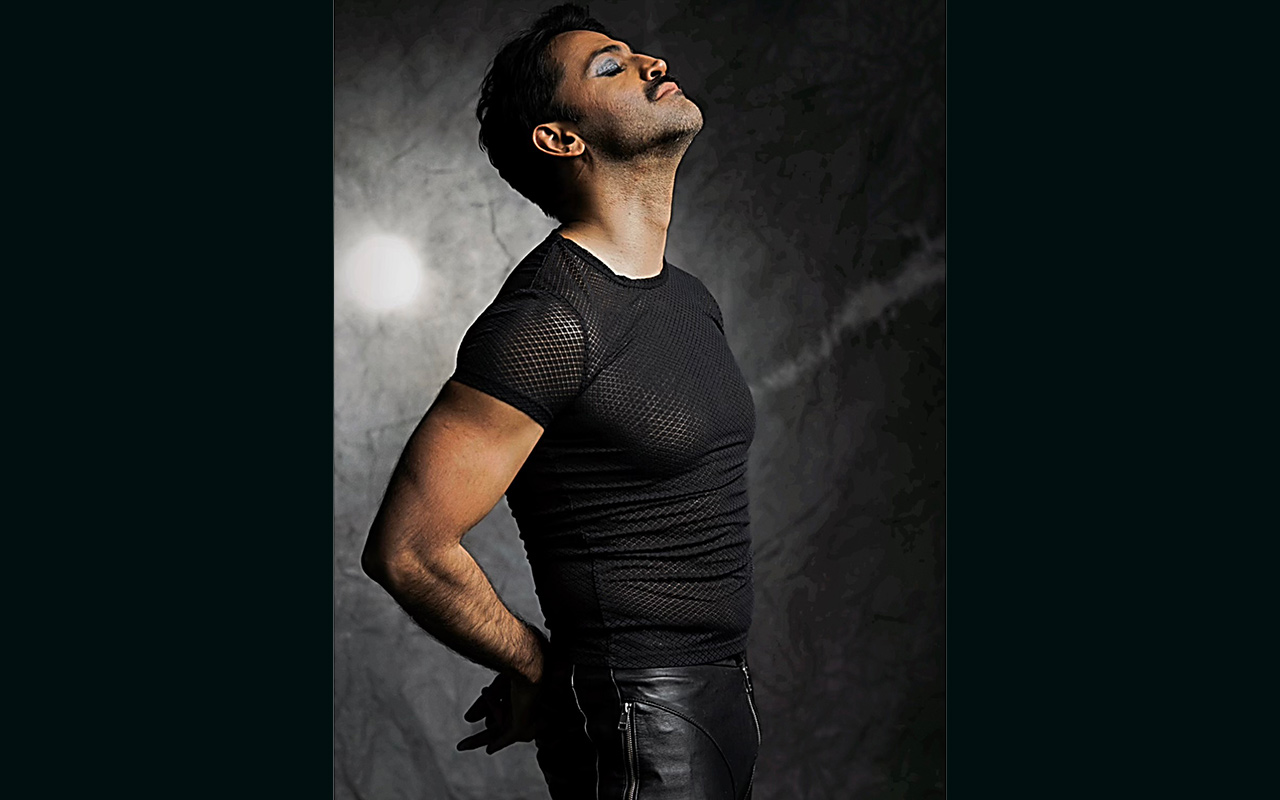
Through the process of writing the album, you start to figure out a number of things in terms of how you are as a songwriter. For me, a lot of it was discovering how I am as a vocalist. I do all the vocals myself. When I perform, I try to be as live as I can. And you start to really understand things about your singing voice. I learned where your voice sits, where you feel the most comfortable, where you’re the most expressive. I think that’s actually the biggest thing I learned, because when I started doing music, it was around the time of American Idol. So singing was looked at as a sport, a competition, right? It was always about who had the widest range, who could belt, who had the loudest and showiest voice.
It took me a long time to figure out that that’s great, but that’s not all singing is about. It’s about being expressive. It’s about using your voice to channel emotions. Through this album, I learned how to do that.
I let go of this need to show people, to prove myself as a singer. You just need to really sink into the emotion of the song you’re singing, whether it’s in the studio or on stage with a mic in your hand. You need to convey that emotion and that can be done by the smallest voice or the loudest voice.
I want them to feel like they have permission to go and do the thing they’ve always wanted to do. Especially for queer people.
How do you hope your fans and listeners feel when they listen to your music?
A.D: Seen. The artists and songs that resonate the most with me are the ones that touch something inside. I feel seen when I hear a certain song, I feel seen when I see an artist getting up there and doing what they’re doing. So it’s all about being seen. But if anybody comes to a live version of my show, or even just throws on one of my songs: I want them to feel like they have permission to go and do the thing they’ve always wanted to do. Especially for queer people, I want them to take pride in who they are because being queer is historically something that we’ve had to hide, that we were pushed to feel shame about.
Restless Night, especially; the title track is a song that pays respectful tribute to our queer elders and the path they forged for all of us. I am grateful that we can live openly, go to spaces, and dance the night away without having to worry, or at least not to the extent that people before us had to, about being othered or discriminated against. It still exists in the world, but we’re quite fortunate, depending on where you are. I’m very fortunate that I live in Toronto, one of the most diverse and LGBTQ+ friendly cities in North America.
Sounds like our readers should visit and come to a concert. Do you have any big plans for this upcoming year?
A.D: I’m just focusing on the album being out. Having conversations around it and promoting it. From there, I have some ideas of what I want to work on. But for now, I’m just enjoying the fact that I created this project and now it’s out there in the world. Working on new music, too. I work with a producer, but I’m the main songwriter. Listening to it you can tell like where I was drawing influences from. I describe it as a millennial sort of melting pot of music from the 80s, 90s in the early 2000s. That’s the stuff that’s really stuck with me.
What inspired you to name the album “Restless Nights”?
A.D: When I was thinking about what I was going to call this album, I was talking to my friends about it. I explained this is an album that’s for queer people, by a queer person who has very much been on a journey. It’s for anybody who’s kind of been on that journey of really coming into your own as a queer person.
I use the word “restless” because when I think about queer people coming together, especially at night, in the nightlife, whether you’re on a dance floor or just out with your friends at a bar or dance club, the energy that we bring when we come together collectively is restlessness. Restlessness in a very beautiful way.
I think we all have a restlessness inside of us. We’re restless hearts. We love hard. We have this desire to be bigger than the circumstances that life often hands us. We have this almost rebellious desire. We may not be able to show that in the outside world, in our nine to five, maybe with our families or at work, but when we come together, especially in the nightlife, that’s where we let it all shine. I love that so much. That is the energy I want to tap into: the chaos, the fabulousness, the drama, all the emotions put together.
There’s this activist quote that comes from queer history: “during the day we protested, and at night we danced.”
The reason I set it at night is because it carries so much weight. Like historically, our safe space as queer people was the nightlife. That’s where we could come and we could interact with each other. We could express this part of ourselves that wasn’t safe in the rest of the world. The dance floor especially is such a metaphor for letting that part of yourself out. There’s this activist quote that comes from queer history: “during the day we protested, and at night we danced.” I just think that encapsulates the spirit of the queer community so well. We’re on the front lines, we’re fighters and we’re survivors, but we never lose our sense of joy. That’s why I called it Restless Nights.
Can you talk about the emotional tone shift midway through the album?
A.D: In the back half, things start to get a little vulnerable. It’s like the first half is the bravado, the armor, putting your face on, getting ready to go out, being on the dance floor, and presenting the best part of yourself. But the way I see it, as the night progresses, things can often get dark, get a little chaotic. And then when the armor drops, you show vulnerability, you show the heart, you show the emotion. So that’s kind of how I built the album. Dancing is a form of liberation. It’s tapping into that part of yourself that you maybe don’t show outside of the areas where you may feel safe.
It’s wonderful that your concerts are a place for that freedom.
A.D: That’s exactly what I set out to do.