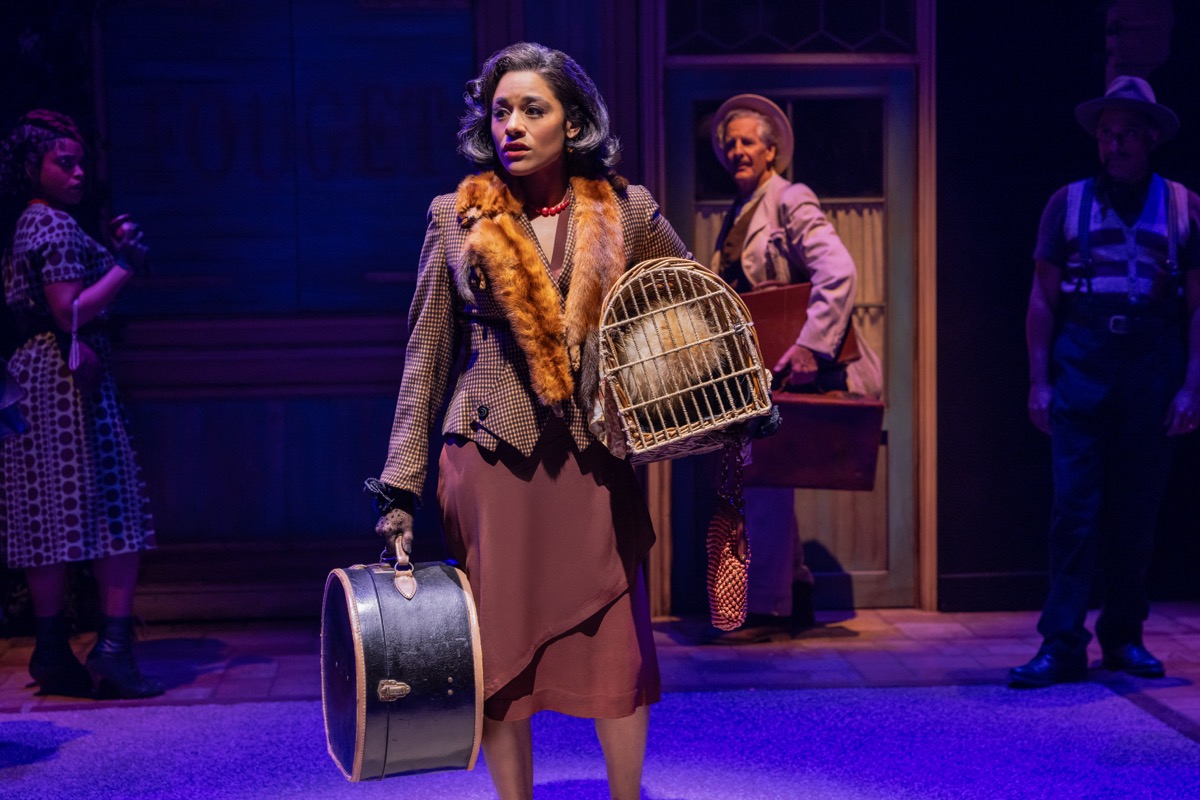

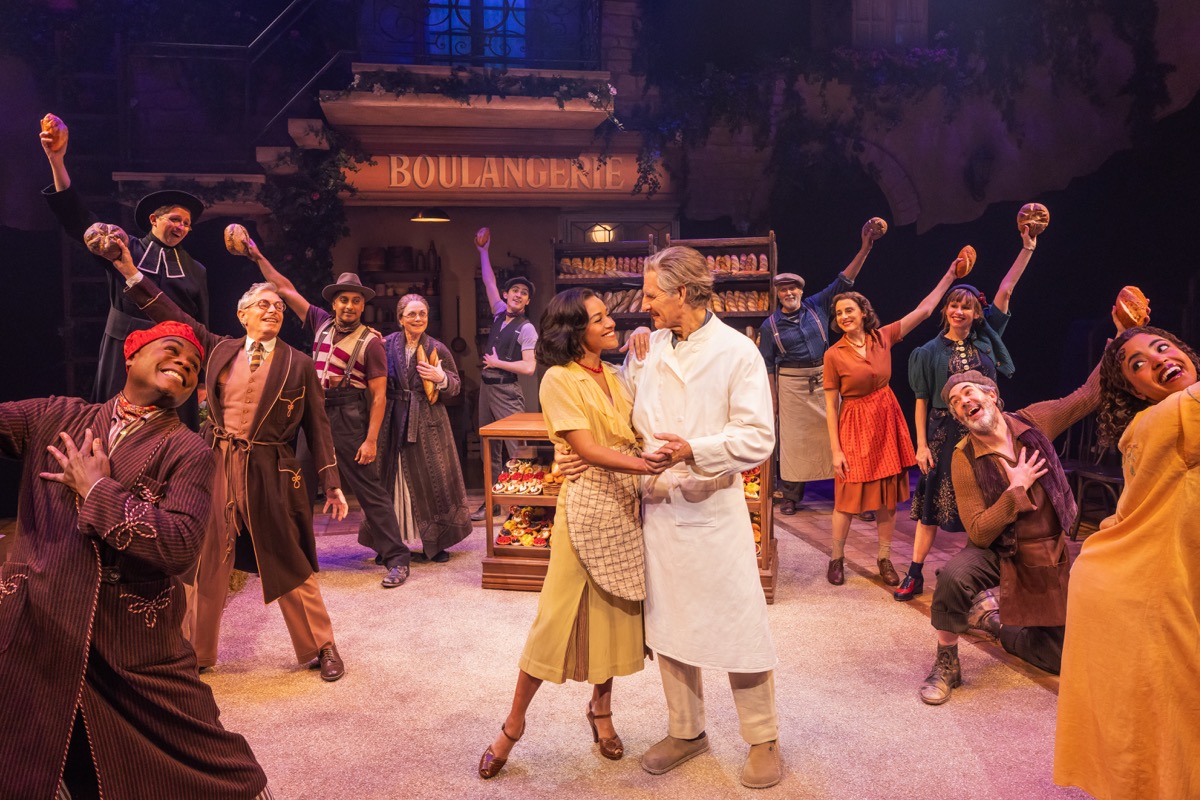
Stephen Schwartz is the current reigning champ of New York City theater, Lloyd Webber be damned. Wicked on Broadway is 21 years young and poised to live forever, and The Queen of Versailles just celebrated its opening night at the St. James Theatre. The off-Broadway revival of The Baker’s Wife, currently running at Classic Stage Company, completes the Schwartz hat trick. Nestled in the heart of Union Square, the theater seats 199 and includes a cafe just before the doors. It reminded me a bit of my hometown community theater, vomitoriums and all.
This nice hit of nostalgia and the promise of an intimate production did little to warm me up to a rather frustrating story about a baker, his new town run amok, and the role of women as status symbols to their male counterparts. Oh, and the baker’s wife is in this, too, I suppose.





The Baker’s Wife is nearing its 50th anniversary, having first toured in 1976. With music and lyrics by Schwartz (Godspell, Pippin, Wicked) and a book by the late Joseph Stein (Fiddler On The Roof), the musical is an adaptation of the 1938 French film La femme du boulanger. In Concorde, France, Geneviève, the disaffected wife of baker Aimable Castagnet, runs off with a younger gentleman. The town sets aside their personal feuds to rally behind the forlorn baker and bring back his wife — and the promise of fresh bread.
Playing the eponymous lead character is Ariana DeBose (West Side Story, Hamilton), a certified triple-threat and the first queer woman of color to win an Academy Award. After a steady stream of Hollywood roles, The Baker’s Wife marks her first time on a New York stage in eight years (aside from some standout hosting duties at the Tony Awards). Alongside her is TV darling Scott Bakula (Quantum Leap, Star Trek: Enterprise, NCIS: New Orleans) as Aimable, Kevin William Paul (The Outsiders) as heartthrob Dominique, theater legend Judy Kuhn (Pocahontas, Chess, Fun Home) as town matriarch Denise, and a bevy of talented character actors filling in the community.
The show is ultimately about the imperfection of love, with a little mischief along the way. It’s a perfect rom-com setup, and I’m a total sucker for romance. So why did I find it to be more irksome than charming?
DeBose and Bakula ably lead the charge (who knew Sam Beckett could sing?), and the ensemble cast delightfully trips over one another (hats off to Nathan Lee Graham, Kevin Del Aguila, and Will Roland). The cast makes good use of the minuscule space; you get the sense that this is a small, small town, where gossip has nowhere to go but up and out. On the other hand, with the space being so small, it goes from cozy to crowded very quickly, leaving very little room for choreography. Also clumsy were the accents — or the lack thereof. It’s easy to suspend disbelief, but with some performers going for French, some sticking closer to their own voices, and some somewhere in between, I started to wonder if there was a dialect coach anywhere in the building.





Schwartz’s score is reminiscent of his earliest works. It’s a unique blend of traditional musical theater and his identifiable contemporary sound. I could pick up hints of Godspell in the number “Serenade” and some brushes of Pippin in “Feminine Companionship.” Schwartz is a talented composer, but I think an even better lyricist. The show is most noted for the cabaret classic “Meadowlark,” but one would be remiss to leave out “Proud Lady” or “If I Have To Live Alone.” It also leaves me wondering if Schwartz mixed and matched styles a bit too frequently throughout. It was all consistently Schwartz, but every so often, inconsistent in style.
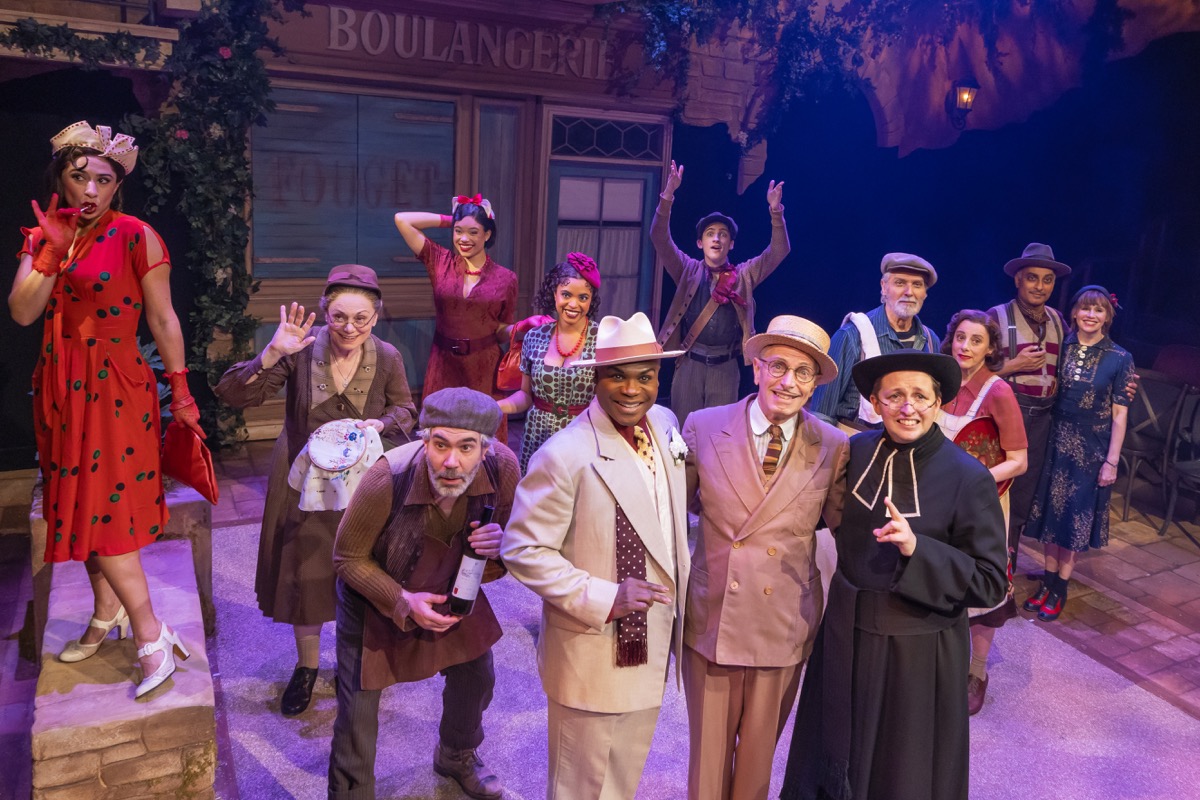
DeBose is a gifted performer; her tenure on stage and screen is undeniable proof of that. Her talents here feel a little misused. I found her singing, while admirable, to be closer to that of a pop singer than to a provincial French woman in the 1930s. Naturally, the role doesn’t have to be sung “legit” — the colloquial term used to describe a voice rooted in classical training — and it would be unfair to claim so. But when the rest of the cast is aiming for more of that “legit” style, it does make a contemporary sound stick out.













Her overall portrayal of Geneviève felt a bit stuck; perhaps that was by design, as it is the whole crux of Geneviève’s character. So imagine my disappointment when, after a stirring performance of “Meadowlark” finally seemed to unlock her, she runs off and is practically gone from two-thirds of Act 2 — save for a few lush (if woefully short) dream ballet moments — with little character development to follow.
This leads me into my biggest gripe with the show as a whole. The woman at the center is not our main character; rather, it’s her husband and the town. There is an objectification that follows Geneviève around, and it bleeds into the rest of the women in the show. The men are constantly expressing their discontentment with their wives, whether it be through snide jokes or direct verbal abuse. The Mayor is even followed by a trio of “nieces” — “Perhaps not his nieces, but what does it matter?” — that provide some humor, but are so one-note that they might as well be one character.
The women only get a few moments to push back against the patriarchal constraints (which earned applause from the audience and a “thank God” from me), with one actually finding the courage to pack up and leave. But the women’s big group number merely chalks up their desires to romance (“Which just proves that love is like anything else / if you want it done right, better do it yourself!”). The writing came with a certain male gaze that the cast and director Gordon Greenberg couldn’t shake. I love women fighting the good fight, but instead of feeling motivated for their journey, I felt annoyed at their expense.
I am certainly not suggesting that the women need to be modernized in ways that reverse the original text; that would be inauthentic. As mentioned before, the show is nearly 50 years old and comes from an even older story. For literacy’s sake, it’s important to acknowledge the writing as a product of its time. But in the year 2025, one would think that a capable director and writing team (Stein may have passed, but Schwartz is very much alive and kicking) would dig deeper into the nuances of being a woman in restraint. Where the writers intended to pull sympathy out of a passionate affair, we instead see a meaningless fling. When Geneviève quietly returns and is ultimately forgiven, you can’t help but wonder if she actually learned anything.

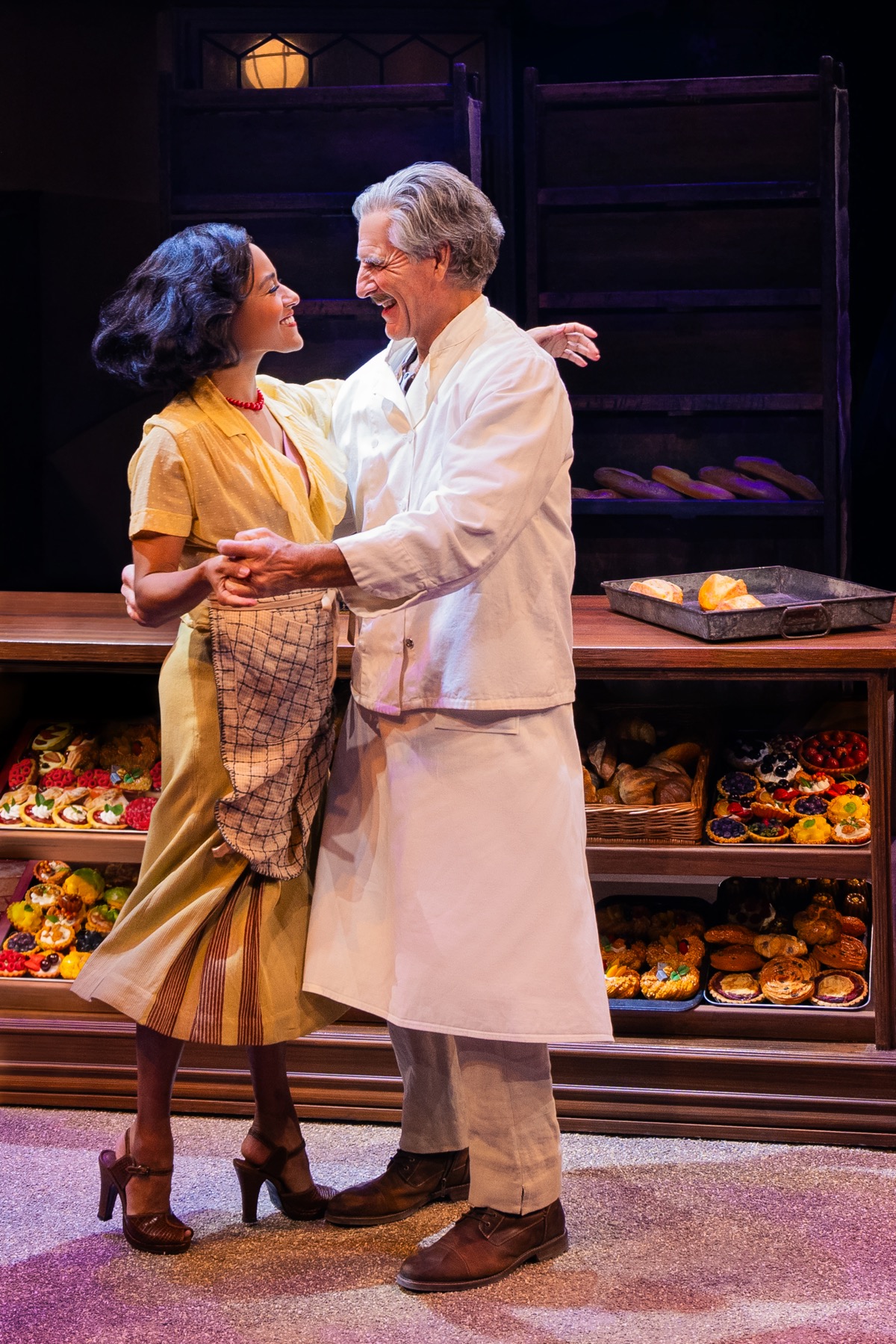
It’s too easy to quip that a show called The Baker’s Wife doesn’t have much of the wife present. But the title means less to center her as the lead and more to evoke her status as the story’s engine; the proverbial yeast that makes the dough rise. A symbol, if you will, and the very thing that I wish the women in this tale could rise beyond.
The Baker’s Wife officially opened on Nov. 11, 2025, and plays until Dec. 21, 2025. You can get tickets at classicstage.org/the-bakers-wife