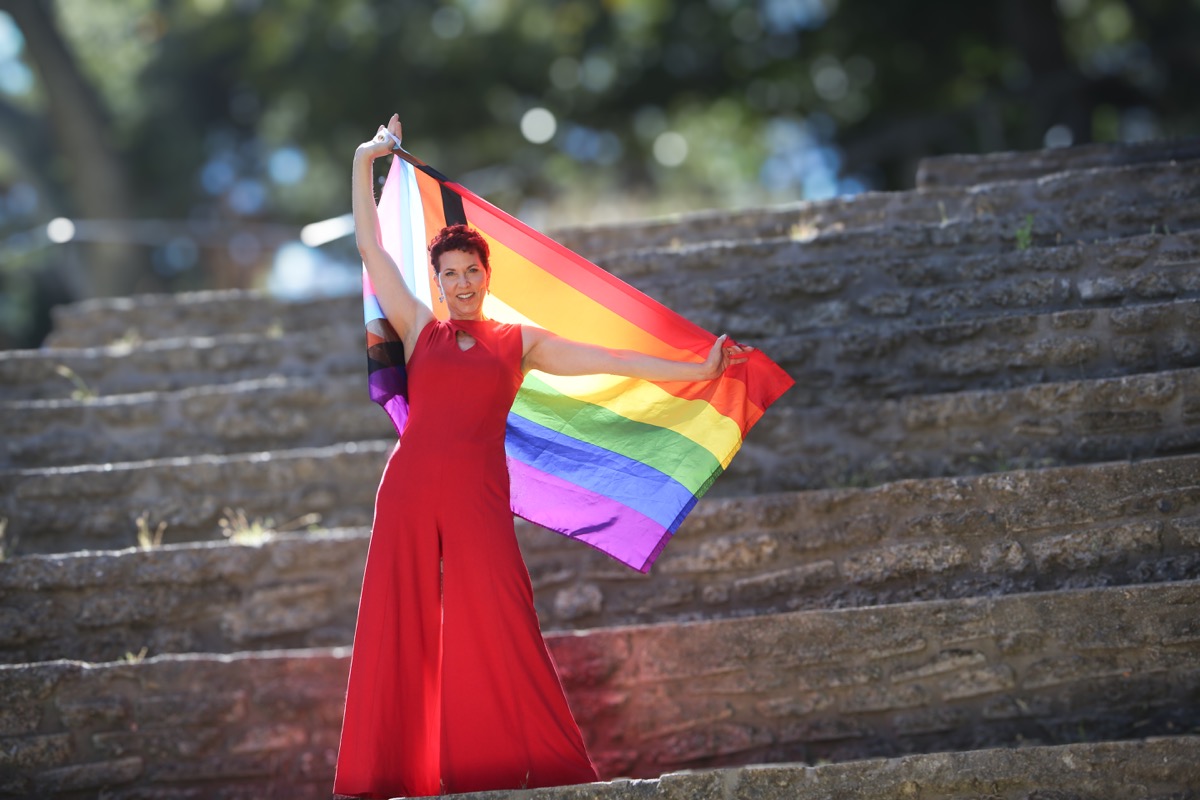

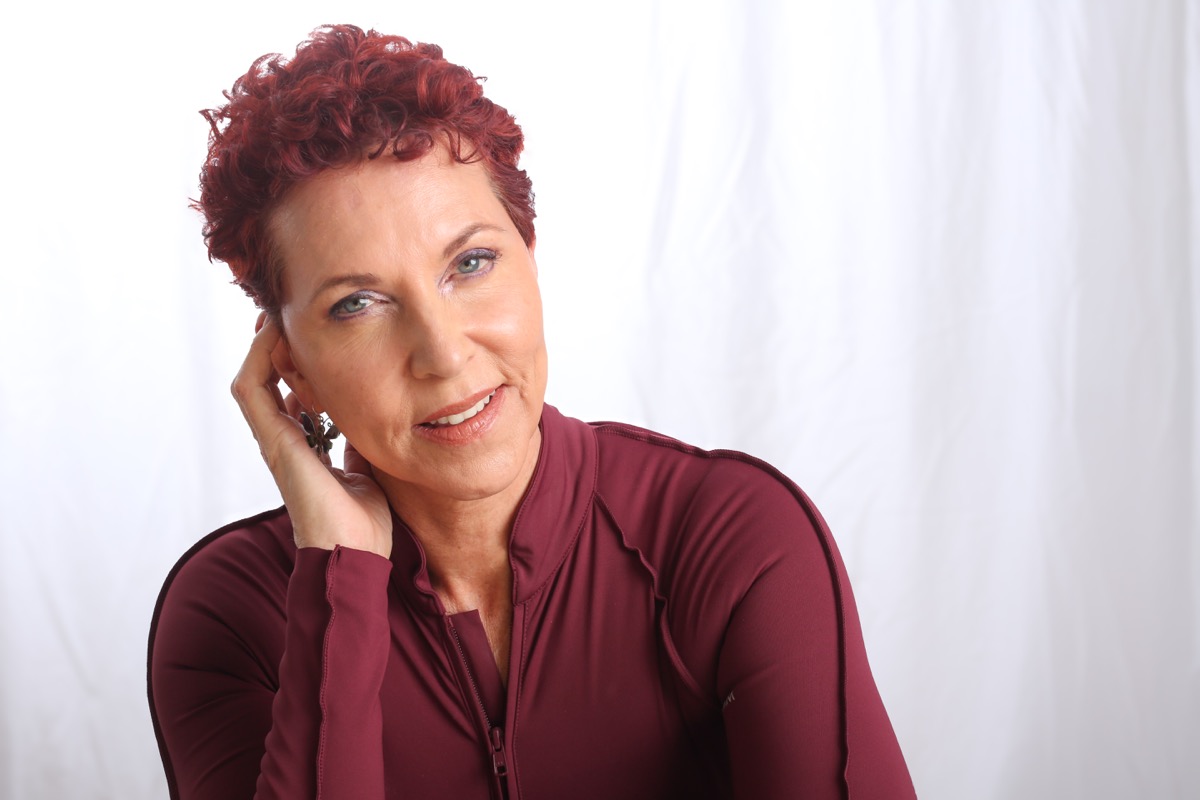
While traditional talk therapy can be beneficial, drama therapy has been growing in popularity in recent years. It allows one to process the pain and suppression they have experienced. Allowing LGBTQ+ participants to act out scenarios provides a safe way to confront and work through their hurt, creating a special sense of catharsis.
The documentary River of Life, LGBTQ+ directed by Grace Walcott, follows participants in a drama therapy workshop and documents their experiences with being queer, the trauma they experienced as a result, and how they use the group as a way to process and work through their pain.





Group leader Grace Walcott, besides being a certified therapist, also has experience as an actress. She shows a deep appreciation for film, which makes her a fitting leader to bring drama therapy to life for these individuals. She talks about seeing Audrey Hepburn star in a lesbian romance movie as a child and how seeing the hurt she expressed surrounding her identity left a mark on her.
It is clear that Walcott understands how powerful emotional expression through acting can be used as a therapeutic tool. Seeing how she merges these two worlds together, allowing acting to become something healing for people rather than simply a commercialized business in Hollywood, is thought provoking.

The moment when the group members get to act out conversations with people in positions of power who have contributed to their past trauma is particularly poignant. Through this exercise, we see participants given an opportunity to express feelings and experiences that they may not have been able to address in the past. This moment feels powerful because it shows participants reclaiming their sense of power and agency from those who had previously taken it away from them and made them feel like their unique sexual expression is wrong.
Hearing the group members’ different experiences and the trauma they have faced across generations while embracing their true identities was another powerful aspect of this project. One of the younger members, a feminine black woman, discusses how people of her ethnic group are sometimes expected to conform to masculine stereotypes, even though gender expression is different for everyone. Her experience highlights how being both Black and attracted to women does not determine how someone should express their femininity. We all have different ways of expressing ourselves, and the project does a powerful job of showing the importance of being able to embrace that individuality.





It was also beautiful to see how this workshop gave its members a sense of belonging and community. Knowing that you are inherently different from the majority of people who identify as straight can sometimes make life feel isolating. Having people around you who understand what it feels like to experience oppression and who are also trying to heal from that pain can make a meaningful difference. This is shown through the group members’ willingness to be there for and support one another.
In the film, attendees discuss how the people they met through Walcott’s group have become like family. A shot toward the end of the project, where they are all gathered near the water and standing beside one another, beautifully illustrates how connections within a community can be an integral part of the healing journey.













Walcott’s passion for drama therapy is so evident throughout the project as well. She even explains that she created it as much for herself as she did for others. Seeing someone pour so much heart into their work is truly inspiring.


In the end, River of Life, LGBTQ+, is a deeply emotional documentary and a powerful look into the potential of drama therapy. It offers an intimate perspective on how this form of therapy can help people process their experiences, connect with others, and begin their healing journeys. The documentary will inspire others who are seeking healing to explore this valuable tool and discover whether drama therapy is available in their own communities.
The film is available to stream online.
5/ 5 stars