From screening Silver Linings Playbook, which earned Jennifer Lawrence an Academy Award for Best Actress, to showcasing the acclaimed LGBTQ+ drama Moonlight, the Philadelphia Film Festival has established itself as one of the most celebrated film festivals in the Mid-Atlantic.
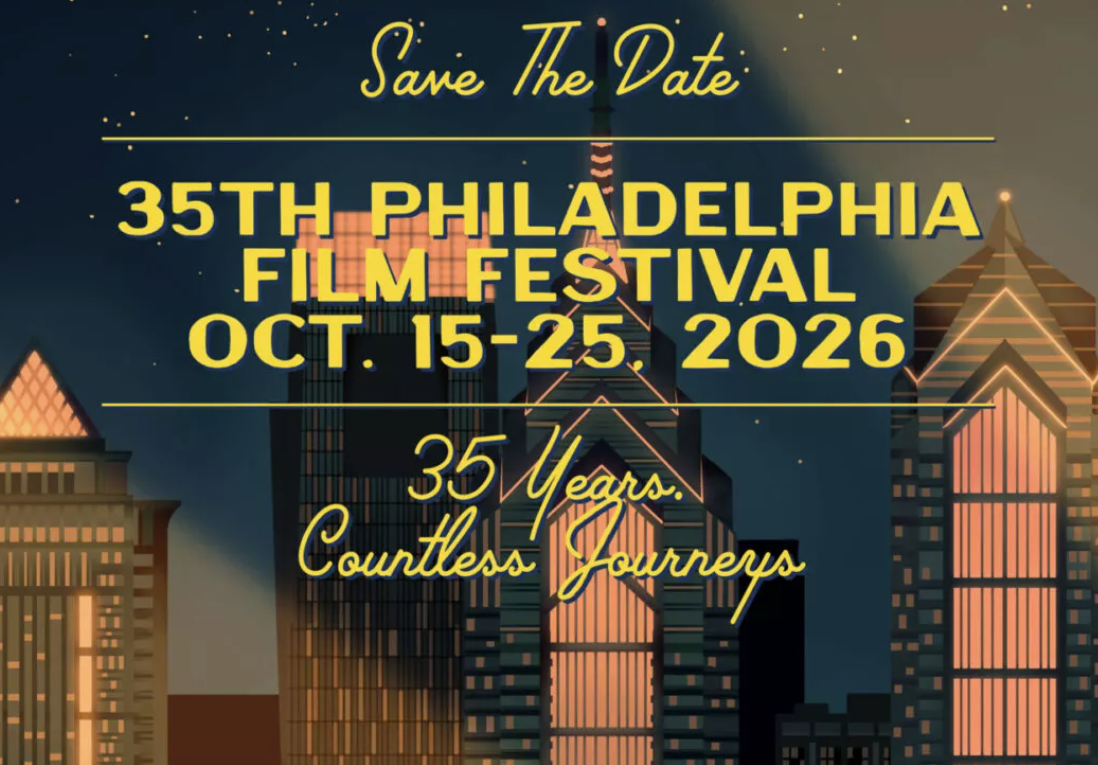
This year’s festival is set to take place from Oct. 15 to 25. As the festival celebrates its 35th year, it will kick off the month of October with “Reel October,” a monthlong celebration of cinema starting with 14 days of 35mm films from Oct. 1 to 14, according to its website.





Andrew Greenblatt is the festival director, and he takes great pride in having played a role in bringing such significant films to Philadelphia audiences. “When we saw the film Silver Linings Playbook, we knew how special it was and how important it would be to bring it to Philly,” Greenblatt said. “We were thrilled the distribution company was able to recognize that as well and to send the film and its director, David O. Russell, and a couple of other people from the project.”
Another film, Moonlight, holds an integral place in queer cinema history. Following a Black gay man through his life from childhood to adulthood, the film powerfully explores the trauma, isolation and struggles that can shape the lives of gay men, particularly those navigating the intersections of race and sexuality. By screening Moonlight, the festival demonstrates its commitment to bringing diverse queer stories to audiences in the City of Brotherly Love, according to organizers.
“2016 was a big year for the festival when the Emma Stone-led musical La La Land was the opening night film and director Damien Chazelle joined us for it,” Greenblatt said. “Moonlight was one of our center pieces. That was very special.”
With no festivals in the city now strictly focused on LGBTQ+ films, the Philadelphia Film Festival has recognized an opportunity to expand its programming of films featuring queer characters and stories. For Greenblatt, this absence has created an opportunity to reach a broader audience while giving queer cinema a more prominent place within the festival’s programming. “There used to be the Philadelphia Gay and Lesbian Film Festival, which then changed its name to QFlix, which unfortunately stopped. When that one was going on, we did not play as many queer films. We played movies we really liked but also did not want to step on toes, so there were a lot of things we did not play.”






Greenblatt has seen the positive impact the festival’s films have had on members of the LGBTQ+ community and audiences beyond it. The power of storytelling is especially evident here, as films have a unique ability to shed light on different perspectives and identities. The festival’s willingness to showcase such a diverse slate of films allows these stories to reach audiences who may see themselves reflected on screen or gain a deeper understanding of experiences different from their own.
“We have a tremendous audience and a very diverse one,” said Greenblatt. “Our audience really appreciates films from all around the world, different genres and unique subject matter that reflects people of all kinds.













In 2017, the festival welcomed an exciting addition to its board. Iconic filmmaker M. Night Shyamalan joined the team of directors, bringing his considerable expertise and Hollywood experience to the festival and elevating its profile in the process. “He knows filmmaking very well. He has been a great voice in guidance, especially for having him to bounce ideas off of and making sure our projection is exactly what it should be. We have also had some very special events with him through the years,” Greenblatt said.
Now that the festival has been going on for more than 30 years, there are no signs of it slowing down. The event has become a grand spectacle, showcasing more than 100 films during its festivities in recent years. When asked what keeps people coming back and contributes to the festival’s continued success, Greenblatt said: “We are open to everyone, and we try to reduce as many barriers of entry as possible.
“We have a free ticketing program at the festival, so there is no economic barrier to entry. We open our doors to all. We show films that look at every aspect of humanity and that come from many places around the world. We also balance bringing in some of the most high-profile films that were buzzed about at other festivals to films that are much smaller that we really want to shine a light on. Hopefully, by showing some of those smaller films, we can show someone their new favorite one that may not have been expected.”
Correction: A previous version of this story incorrectly reported, because of an editing error, what films were going to be screened at this year’s festival. The errors have been corrected.