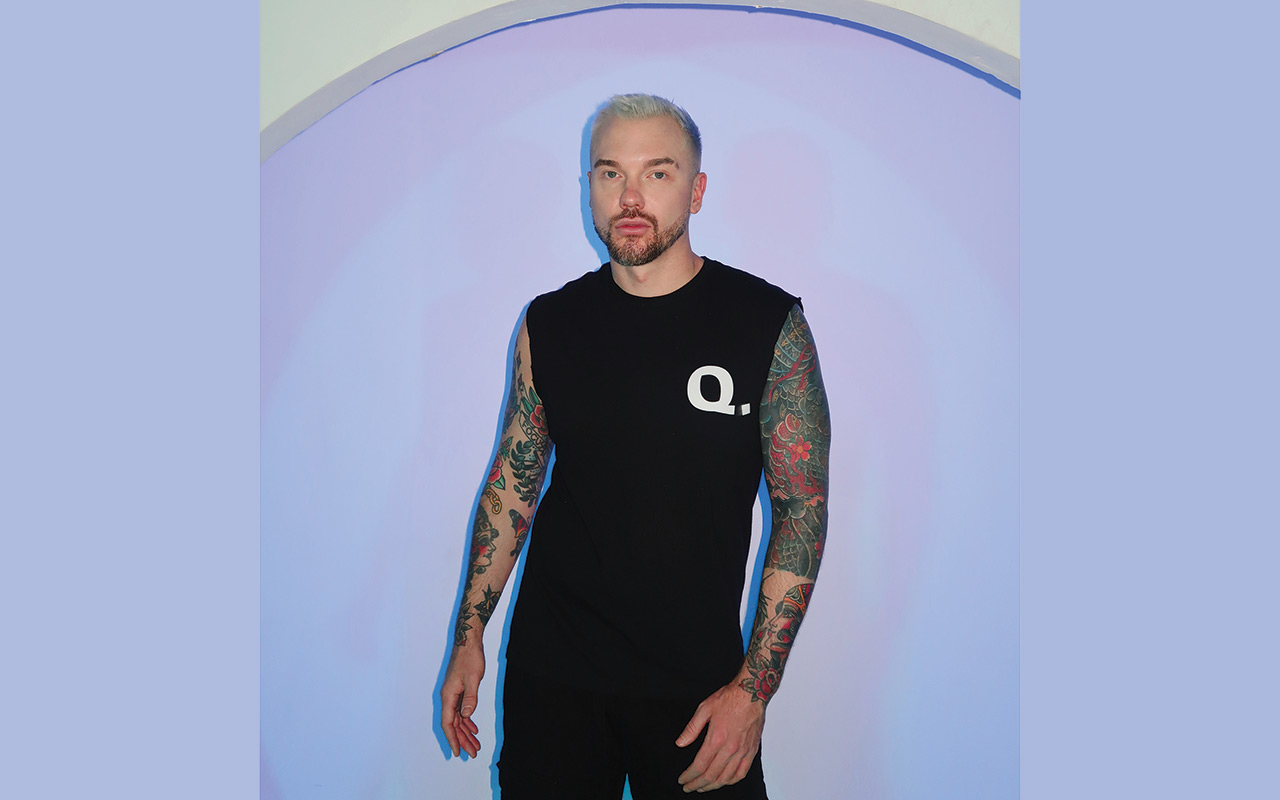
Humans need the kind of connection with others that comes with living in community, developing friendships and relationships, and associating with others, even if it’s just a brief hookup. Members of the LGBTQ+ community can experience a greater amount of stress, anxiety, loneliness and depression than the general population, and may turn to drugs or alcohol as a way to cope. Jordan Hurt, a successful real estate adviser, reality TV star, and entrepreneur living in Manhattan, saw the need for a way to explore community for those in the LGBTQ+ community in a safer way than may be available in the common apps.
“There was something missing in the market. A lot of those mainstream apps heavily influence substance abuse. A lot of people are introduced to that lifestyle, or substance abuse disorder, through these apps.” He developed the app Queerity, available in the U.S. and Canada since February, to provide, according to their press release, “the world’s first sober LGBTQ+ social and lifestyle app designed specifically to protect and respect sobriety. Queerity provides a safe, trigger-conscious platform for connection without the pressure of alcohol or substance-centered culture that dominates many mainstream social and dating apps.”





The app allows users to build a profile that outlines level of sobriety, from curious, sober-adjacent, or “California sober” (for those who may use marijuana), to full 12-step veteran. Users may also filter encounters to include only certain levels of sobriety. Mr. Hurt added, “We welcome the sober-curious, and those in the early stages of sobriety. If you want to see what’s out there, or if you’re afraid to get sober because your whole life flips upside down, you can see what dating, friendship, and a new potential community looks like.”
I reached out to Alex “Lex” Thompson from Forward Motion Counseling in Montclair and Fairfield, New Jersey, for input on the safe use of such a dating/friendship app. Thompson advised, “There are a lot of spaces and events that tend to have alcohol and drugs involved, or at least easily accessible. These events are geared toward connection and community, but can be very triggering for them.”
“it’s always important to note that you cannot get your needs met adequately from an app.”
He cautioned that people should use these kinds of apps wisely, as a helpful tool for connection, but also as a potential means for a new addiction. He added, “In dating and hookup culture, people who are striving to be sober will encounter many people who do not see alcohol, marijuana or other drugs as a problem. They may even pressure them to use in order to feel close or included.” As with any tool, the best way to use it is with lots of information, discernment, and guidance from a counselor or sponsor. He also warned, “However, apps in general are trying to sell you a subscription more than love and deep connection, so it’s always important to note that you cannot get your needs met adequately from an app.”






Queerity could be good for those in rural or isolated areas, with less opportunity for in-person encounters, to find a way to connect to a larger community. Even those in less populated cities may find connection. Hurt commented, “There’s a lifestyle and wellness component, too. You can track your daily progress. There’s also a community page that lists in every city sober events that are happening in person, and a list of substance-free venues, which can be user-generated.”
One way the queer community could contribute to healthier relationships with drugs and alcohol is to make it easier for people to “come out” as non-drinkers and non-users. Hurt said, “The queer community can help make people aware that sobriety can be hip, and that you don’t have to be depressed drinking alone, and feel like shit all the time. You can have great experiences and not be messed up. We also want to normalize sober sex as much as possible.”












In many ways the LGBTQ community can lead the way to better health for all. This is yet another step in a safer direction. “Our mission is to build a healthier community for a healthier world,” said Hurt. “For too long, LGBTQ+ spaces have centered around substances and nightlife. Queerity creates room for authentic connection without compromising personal wellness.”