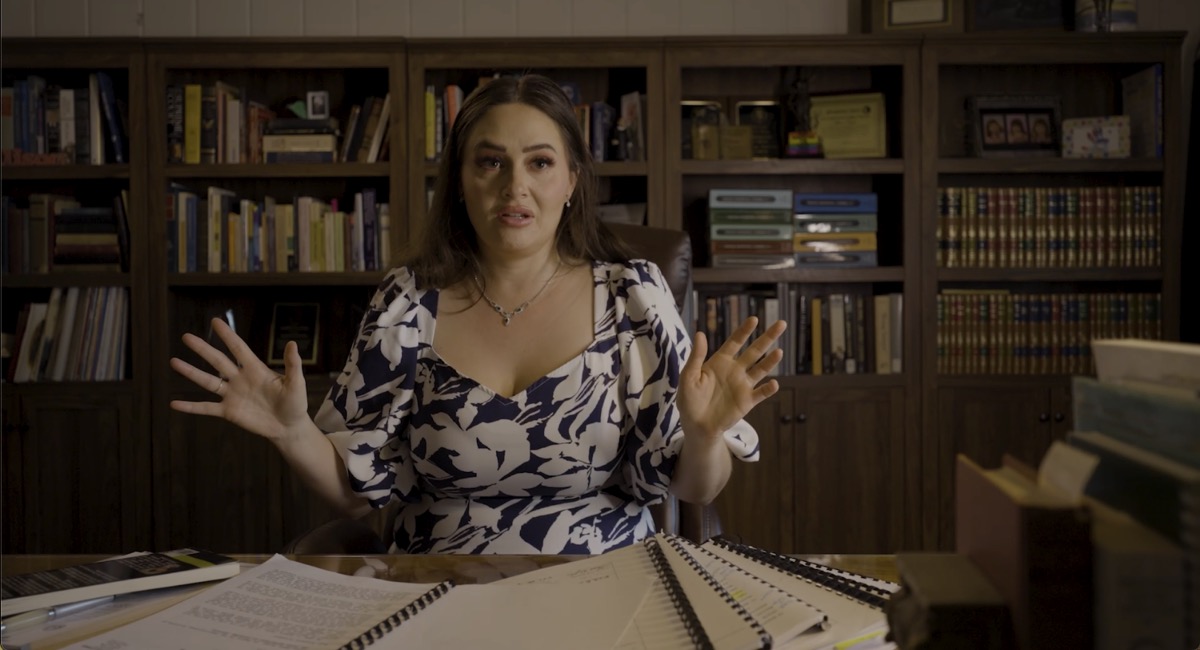
A living nightmare comes to an emotional end in the new true crime documentary, Night in West Texas. Gay Apache man James Reyos was sent to prison for a crime he didn’t commit and has been imprisoned since 1981. The film follows the Innocence Project of Texas lawyer Allison Clayton’s passionate journey to exonerate Reyos, who experts believe had been unfairly targeted due to his identity.
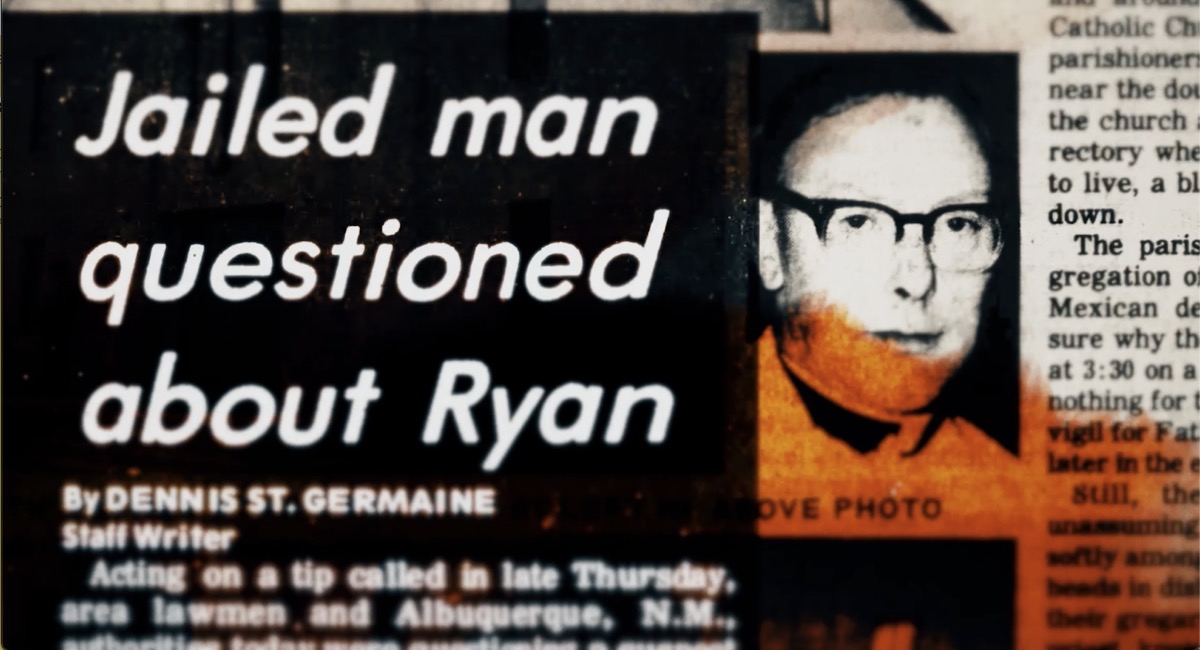
The case against Reyos has been scrutinized for nearly 40 years, as there has never been any physical evidence linking him to the killing. Reyos was in a different state when the crime was committed according to Clayton. He did know the priest who had been murdered; the two were both repressed gay men stuck in an area and time that would never understand their truth.





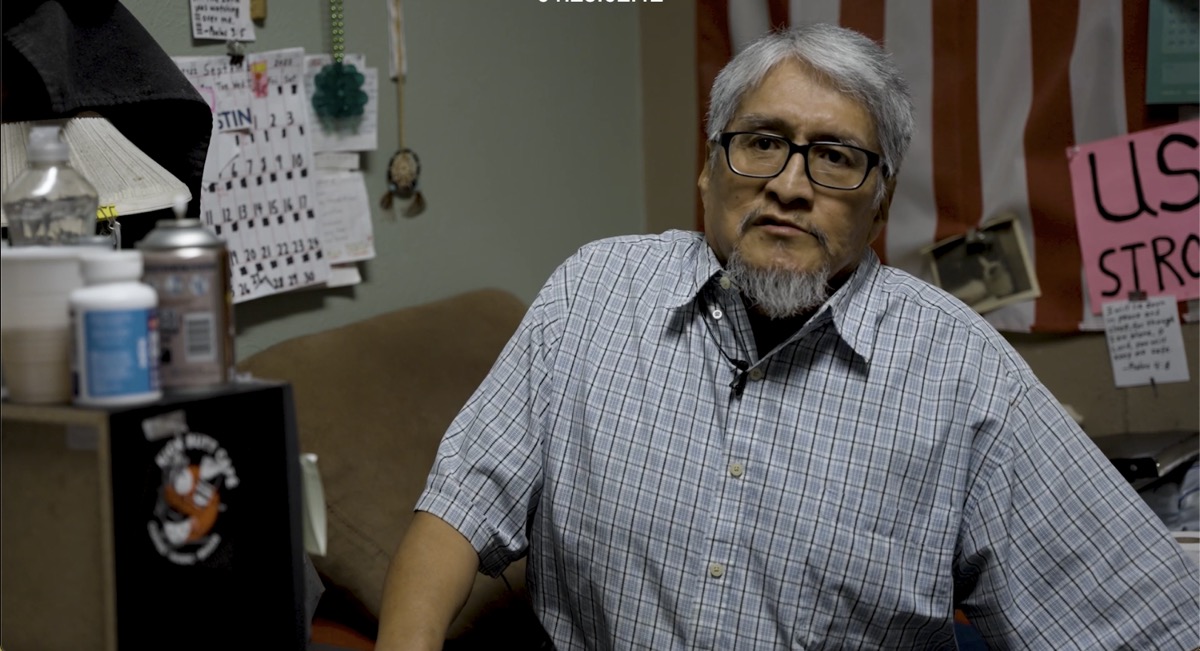
Reyos felt immense guilt and shame about his sexuality and has a troubling history with alcohol. This led to him drunkenly calling the police and making a false confession. While false confessions aren’t uncommon, an Indigenous interviewee in the documentary explained that Reyos’s confession was more of a spiritual declaration than a literal admission of guilt. This cultural aspect of Indigenous life was ignored in the courts during testimony.
When police couldn’t find the actual perpetrator, they focused on the false confession phone call and arrested Reyos. Many believe biases against his sexuality and Indigenous identity played a significant role in the system’s callous disregard for his freedom.
A recent review of evidence, prompted by years of advocacy from legal professionals and true crime enthusiasts, brought major inconsistencies to light. The case eventually landed on the desk of Allison Clayton, a lawyer with the Innocence Project of Texas. Her team began working around the clock to find a way to liberate Reyos, which is explored in the documentary Night in West Texas.
Justice is a journey. I was able to chat with Peabody and GLAAD media award-winning documentarian Deborah S. Esquenazi and lead exoneration attorney Allison Clayton on this extraordinary case that connects them:




What drew you to this case, and why was it so important to bring it to our screens?
Deborah S. Esquenazi: Allison called me. She said that she had a case that I should look at. When I started to poke it, it was honestly very harrowing. James himself is such a remarkable human. I met with him in person before I decided to take it on. I just honestly was very moved by not only his resilience, but the story itself. And I was outraged, frankly, that there was a man who was framed for a brutal murder when he wasn’t even in the state. That was a pretty remarkable thing to hear.












Allison Clayton: In law school, you’re taught wrongful convictions are just like a little blip. Our system is just so perfect and wonderful. It’s the best system in the world. You’re taught these things. It took maybe two or three months of me being out in the real world until I had a case hit my desk as a clerk, where I thought, “How does the jury find this person guilty?” It was a murder case. How did they find him guilty? How did they get there? It was very dark. It’s a blip in the system. And yet here I am, a couple of months into the real world. I’m seeing it. In my career as a law clerk, over and over and over again, I would see these cases, and think they got it wrong.
This person’s in prison forever, and it’s because they got it wrong. It felt so offensive to me that this could happen in my name, essentially, because the government’s acting in our names. They’re doing this, and they’re getting it wrong. And in a lot of these cases, the real perpetrator is still out there, still killing people, still assaulting people. I kind of developed this passion for it whenever I was a clerk. When I went out and started my own practice, it was within a couple of months that Mike Ware, who’s the executive director of the Innocence Project of Texas, kind of found me. And the rest is history.
How was working with James after finding his story?
DSE: I was always really nervous because James is so quiet. You know, quiet characters don’t always make the best subjects. So there’s a lot of fear. But I also saw inside of him something extraordinary. I just felt like, if I just let him trust me, if I just sat there and sort of understood, had him understand that I was also there for him, sometimes just being together in a quiet room. That might help to open up his heart. I feel really lucky that we captured some of these extraordinary moments that I almost can’t believe we caught on film. I don’t wanna ruin it for others who haven’t seen it, but the moment when he sees the murders for the first time, that was arresting for me. It was one of those things that still haunts me, frankly.
AC: That was actually one of the reasons why I knew that we could trust Deb as the perfect person to tell James’s story. Because if you look at Deb’s other works, so many directors are not gonna let the audience feel the discomfort of the subjects, but Deb lets that kind of pain bloom. She will let that happen, and she’ll take the audience through it because that’s how you have to tell their story. Not a lot of people are willing to do that… whenever James’s case came across my desk, I thought I needed help. And Deb was my first and only call. And now we’re like best friends. So it just kind of worked out great.
How has James been since finding his freedom? Has he gone back to New Mexico after 40 years?
AC: My gosh. James is great, is the answer to that question. But no, he hasn’t gone back. I’ve offered to take him, I’ve offered to kidnap him. And personally drive him there for a visit, move him there if he wants. He doesn’t want that anymore. He got to sit around and look around and said, “This is what I know, and this is what I want.” It’s not what I would have chosen for James, honestly. But James is happy.
DSE: He’s still in transitional housing.
AC: He’s still at that same place that he was in before. The thing we fought so hard to get him out of is where he wants to be. So I’m sad about it. I’m sad about what he’s done with his life since, but it’s not my life to live. James is happy about his life. So we see him pretty regularly, and James is living his best life. Yeah, at least he’s happy. He perceives it to be.
I hope more people can find out about the work you do and the lives you’re changing for the better.
AC: We’re trying. You know, it’s crazy. Y’all talk about how incredible James’s story is, and it is. I’ve got 37 cases on my docket right now, and they’re all just compelling and insane.
It sounds like you might need to team up with Deb again to help share one of their stories.

DSE: I think we should. Yeah.
This impassioned quote from the documentary shows how much Clayton cares for her clients.
“People ask me a lot, ‘How do you stay optimistic about these cases?’ The answer is, I’m not. There are some days I wake up without any hope for any of it. The better question is, ‘How do you keep going?’ That’s actually very simple: that’s love. I believe in the power of love. I hope that I love so fiercely that I attack organized systems of government violence. That’s why I’m going to keep on attacking every conviction for all of my clients, because I love them. Because I hate what I do with them. It’s not optimism, it’s love.”
The odds of overturning a conviction like this are under 1%. While watching this emotional case, tears may be shed. But more importantly, justice will be served.
There are December premieres in New York City for this powerful documentary, so go check it out for yourself.