


For decades the Ironbound Community Corp. has been fighting for Newark’s immigrant, multiethnic, multiracial, LGBTQ community in the Ironbound, where a fourth power plant is expected to be built. LGBTQ environmental activists are pushing back.
Environmental justice organizers in Newark’s Ironbound believe that environmental justice is an LGBTQ issue. Like access to marriage, reproductive autonomy, and healthcare, they say climate change and pollution affect LGBTQ community members and intersectional communities disproportionately due to discrimination.





“LGBTQ+ individuals are no strangers to the challenges faced by marginalized communities and often lead the fight against environmental injustices,” Chloe Desir, environmental justice organizer for the ICC, said. Desir is a member of the LGBTQ community, too.
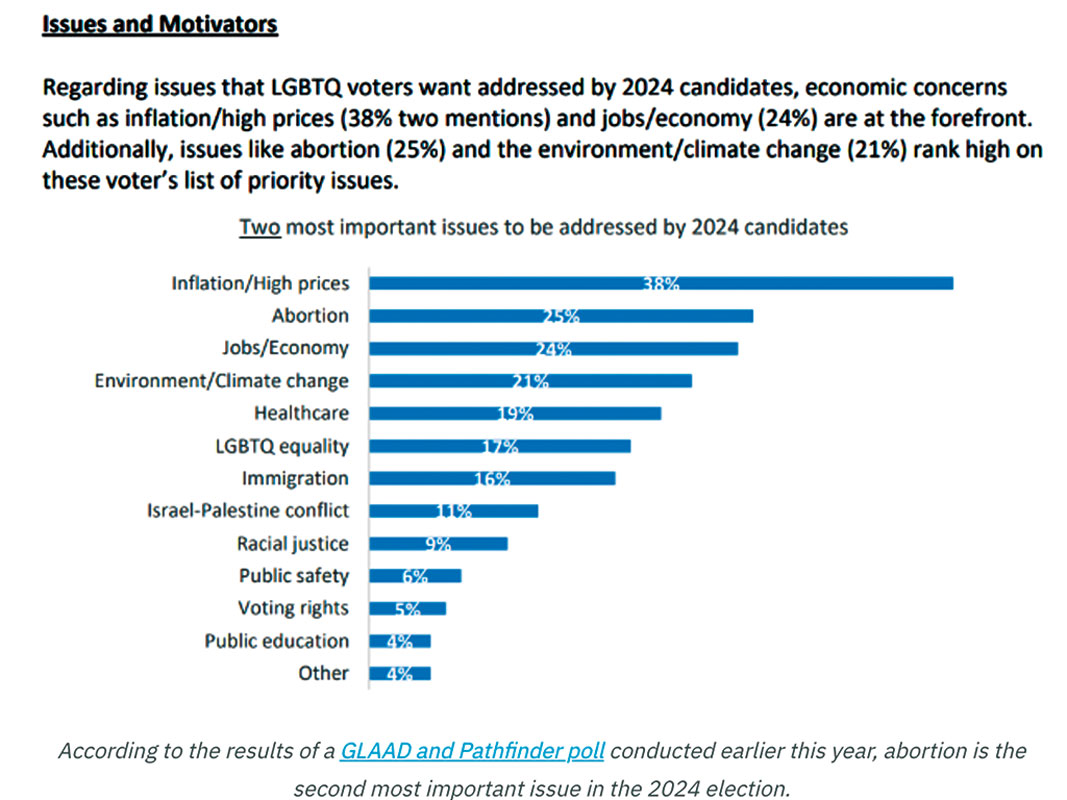
According to a GLAAD and Pathfinder poll, the environment and climate change ranks among the top five concerns of LGBTQ voters this year.
At the moment, Desir is organizing against the Passaic Valley Sewerage Commission’s backup power plant, planned for the Ironbound section in Newark. The plans were authorized in a New Jersey Department of Environmental Protection decision earlier this year.
The Newark Bay PVSC site is 140 acres and home to a large sewage system, with a secondary facility along the Newark Bay. The purpose of the backup power plant is to thwart ramifications from natural disasters caused by climate change.





During Superstorm Sandy in 2012, severe flooding of the sewage treatment plant resulted in PVSC losing both primary and backup power from its utility, PSE&G. Losing all power, the plant inadvertently dumped 840 million gallons of raw sewage into the Passaic River and the Newark Bay.
The activists say adding a possible fourth power plant for backup doesn’t align with New Jersey’s plans for clean energy.












Gov. Phil Murphy has said that he and his administration have come up with “bold targets and unequivocal commitment to swift and concrete climate action today,” according to New Jersey’s website. Some of those targets look like the passing of the New Jersey Environmental Justice Law or having 100% clean energy by 2035.
“Making a decision, like approving [another] fossil fuel power plant, is definitely in contrast to this notion,” Desir said. Since Superstorm Sandy, PSE&G has strengthened the region’s grid through its Energy Strong Program, and PVSC has improved its resilience against even stronger tropical storms like Ida and Henri, making the backup power plant a waste of resources, said Desir.
“Thus, the $100 million in FEMA funding that PVSC received should not have been allocated for another power plant, as this approach misuses resources and diverts us from more effective solutions for clean energy by 2035 in the Garden State,” Desir added.

JV Valladolid, communications manager for the Ironbound Community Corp., has lived in Newark from birth. A child of immigrants from the Andes of South America, Valladolid is gender-fluid, and over time has found a horrific pattern within the surrounding Newark community. “I grew up with a lot of people who had the same sort of anecdote about their lives,” Valladolid said. “They found that they were miraculously the firstborn children of their family after their parents had, if not one, but several miscarriages.”
Air pollution is linked to infant mortality rates, and for Newark, Black, Latino, and Hispanic communities experience infant mortality rates 3.5 times higher than the average in New Jersey, according to the U.S. Department of Health and Human Services.
Additionally, chronic respiratory diseases, cardiovascular disease and cancer, associated with environmental exposure, have been shown to occur at higher rates in the LGBTQ population than in the cisgender heterosexual population, according to the National Library of Medicine.
Desir says residents of the Ironbound and LGBTQ people experience disproportionate harms and exposure to pollutants and illnesses based on the circumstances of discrimination. What Valladolid has learned is that these attacks on Newark’s community are purposeful.
“While Newark remains one of the last affordable places to live in our region, it is also the site of the state’s largest garbage incinerator, the largest wastewater treatment facility, and three fossil fuel power plants, with the looming threat of a fourth,” said Valladolid. “Environmental racism — the placement of often toxic, heavy industrial zoning next to schools, homes, and recreational areas — disproportionately affects low-income neighborhoods and communities of color, where many LGBTQ+ people live.”
The NJDEP says the mandatory environmental justice conditions of this “limited approval” facility will result in overall net reduction in emissions of air pollutants from the PVSC facility as a whole. The government performed a three-step alternative analysis, said New Jersey Environmental Commissioner Shawn M. LaTourette. One of the considerations of the analysis was if there could be a renewable backup power station. The commissioner said that the assessment revealed that renewable energy wasn’t feasible. Yet, the proposal does add solar power, a new addition and a requirement of the Environmental Justice Law, after consulting with the community.
“[E]veryone knows that this is a wrong thing to do in a community of children who already experience asthma, have more reproductive health issues, more cancer rates, more premature death, more diabetes, more cardiovascular issues — like I don’t know how else. I wonder if the Passaic Valley Sewerage Commission, if Gov. Murphy, has a conscience to be able to grasp that,” Valladolid said.
The NJDEP said that neither the governor nor their departments have the power to decide to build the power plant, but have only the power to authorize the application that sits in front of them. The PVSC and Commissioner LaTourette will have the final say on construction.
The bottom line for LGBTQ activists in the Ironbound: “A gas-fired power plant will not meet PVSC’s needs as well as battery and solar could,” says Valladolid.


