Preventing HIV infection has certainly become much easier in the past decade or more since the introduction of PrEP. But to be fully effective, prevention needs to get to the people who are most at risk of infection.
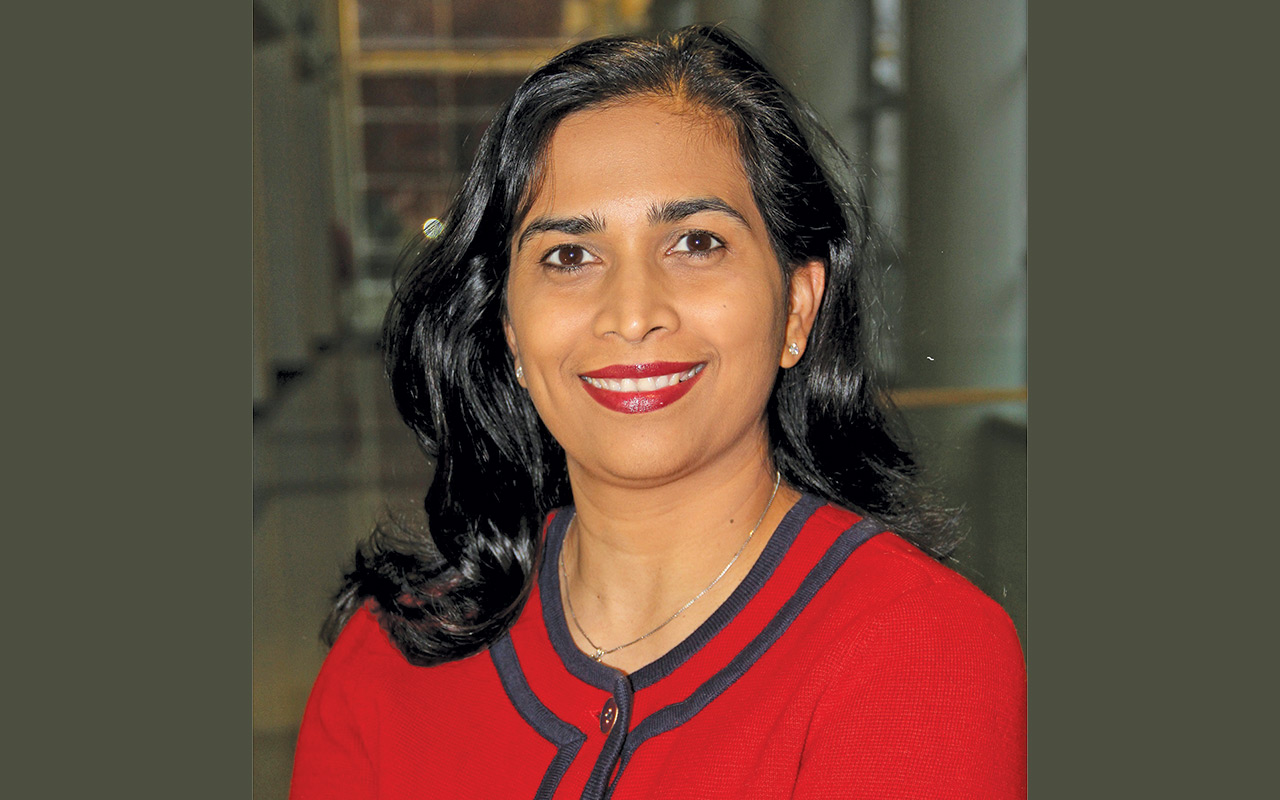
An HIV prevention study in Newark is currently enrolling eligible residents in the region for just a few more weeks. Merck is working with Dr. Shobha Swaminathan, a Rutgers New Jersey Medical School physician and principal trial investigator, on EXPrESSIVE-011 in a Phase 3, randomized, active controlled, double-blind clinical study to evaluate the efficacy and safety of MK 8527 oral once monthly as HIV-1 pre-exposure prophylaxis.





“So, PrEP, or pre-exposure prophylaxis, is an intervention that people at risk for HIV can take to protect themselves from acquiring HIV infection,” Swaminathan said. “There are FDA-approved medications that have been available for 14 years at this point. And yet the uptake of it is woefully limited. It’s not reaching the people who could benefit. And there’s a multitude of reasons for that. And among those is choice. We have limited options available for people who want to take something to protect themselves from HIV apart from complete abstinence or barrier protection, which aren’t always practical. Therefore, I think this medication offers a novel new strategy to prevent HIV infection, because it’s a pill that you can take once a month.”
Other medications for HIV prevention include a daily pill and two that are injections. Those can be cumbersome, expensive or difficult to obtain. This new medication, if approved, could lead to increased usage, especially in communities most affected by HIV.
“The EXPrESSIVE-011 Clinical Research Study is looking to enroll people who self-identify as cisgender men who have sex with other men, transgender women, trans men, and gender non-binary individuals,” Swaminathan said. “Most of the new infections of HIV in New Jersey are in Essex and Hudson counties. A much higher proportion self-identify as minority, about 35% black and about 50% Hispanic. We are hoping that we can provide this option to them, but not just for them, but definitely make sure that we include them.”
This new medication is a new class of drugs that would be available for the first time as a once-a-month pill. This could lead to more people finding the drug and taking it on a regular basis. Furthermore, since the U.S. health insurance system is complex and difficult to navigate, the ease and decreased frequency of taking the pill could lead to a more widespread usage.





Perhaps most importantly, talking about HIV prevention needs to be normalized. People in the U.S. often have difficulty talking about sex in general and more specifically about dangers like HIV infection and sexually transmitted infections.
“We need to move away from the stigma associated with conversations about HIV,” Swaminathan added. “It really needs to be addressed like other public health issues. We have to normalize those conversations, so it’s OK to talk about, and OK to talk about PrEP. And just because you speak about PrEP does not reflect on your behavior or the type of person you are. I think that’s where it has to change.”











Those interested in participating in the study can find out more by visiting merckclinicaltrials.com/trial/nct07044297/. The general requirements are that you need to be 16 or older, do not have HIV, are assigned male at birth or a transgender man or gender nonbinary, have had receptive anal sex without a condom in the past year, and have done at least one of the following:
- Had receptive anal sex with two or more partners in the last three months,
- Had rectal or urethral infections like gonorrhea, chlamydia or syphilis in the last six months, or
- Used any stimulant drugs while having sex in the last three months.
Better health comes with having more choices, health experts say, and adherence to prevention protocols increases with ease.