


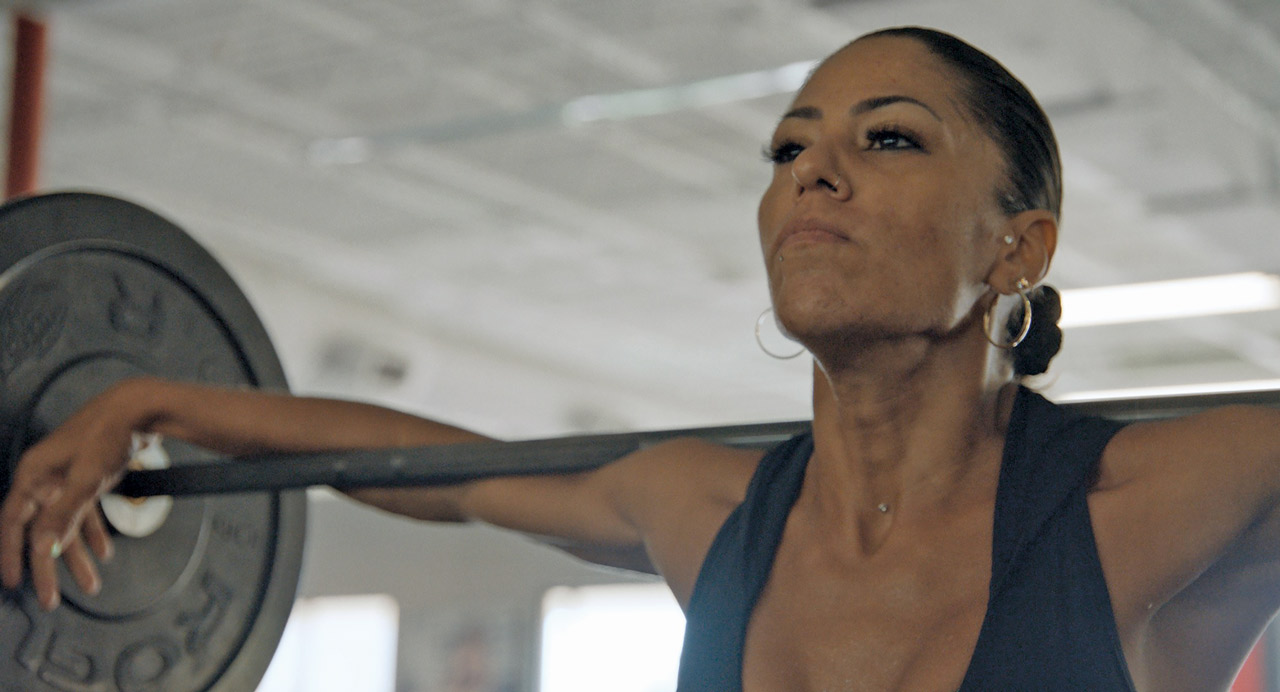
The mass shooting at the Pulse nightclub in 2016 was a horrific attack that has stayed with LGBTQ people in and outside of the United States. Queer bars are supposed to be safe spaces for our community to gather and meet each other, away from the stares and judgment of the outside world. One person, armed with an automatic weapon, opened fire in a massacre that lasted only a few minutes, but left 49 people dead who were only trying to dance and have a good time.
Jeannette Feliciano, a lesbian and single mother, is one of the survivors, and her story is the subject of a documentary, Jeannette.





The first words out of Feliciano’s mouth are, “I will never ever forget seeing the barrel of the gun.” The details she recalls, of the moment when she came face to face with the gunman, are chilling. But the point of telling this story isn’t to rehash the events of that tragic night. The name “Pulse” isn’t even spoken until about 10 minutes into the film.
Years after the shooting, Feliciano is doing everything she can to move forward, but the memory of the shooting is still part of her everyday life. She says at one point that she’s always thinking about what could happen when she’s out in public, and that she often cancels plans due to the anxiety.
Still, life goes on. The documentary does a beautiful job of contrasting Feliciano’s vivid, haunting memories with her home life; making breakfast for her son, working her day job as a personal trainer, and her interactions with her mother.

Feliciano also gives back to her community. By that, I don’t just mean the LGBTQ community, but other survivors of the massacre. The piece takes us inside the fitness class she teaches. “I know we go through a lot of shit in life,” she tells the group in a firm tone, but marked by empathy for their shared experience.





Some of the most striking moments of Jeannette involve her testimony about her experiences growing up queer and not feeling accepted, as well as her trip to Puerto Rico. The film follows Feliciano after Hurricane Maria hit the island in 2017. Her sister, who’s also gay, lives there, and Feliciano jumps into action to help her pick up the pieces. It’s a touching juxtaposition of a strong sister doing everything she can for family, while trying to pick up her own pieces.
Living in the mainland U.S., most of us were only exposed to Maria’s destruction in news reports. We could see the devastation on the news, but this documentary takes us up close to the damage in neighborhoods news cameras didn’t necessarily reach. The downed trees and power poles, the lack of electricity, and regular people doing everything they can to maintain some sort of normalcy after a horrific tragedy that killed thousands. It was clear that Feliciano could relate.













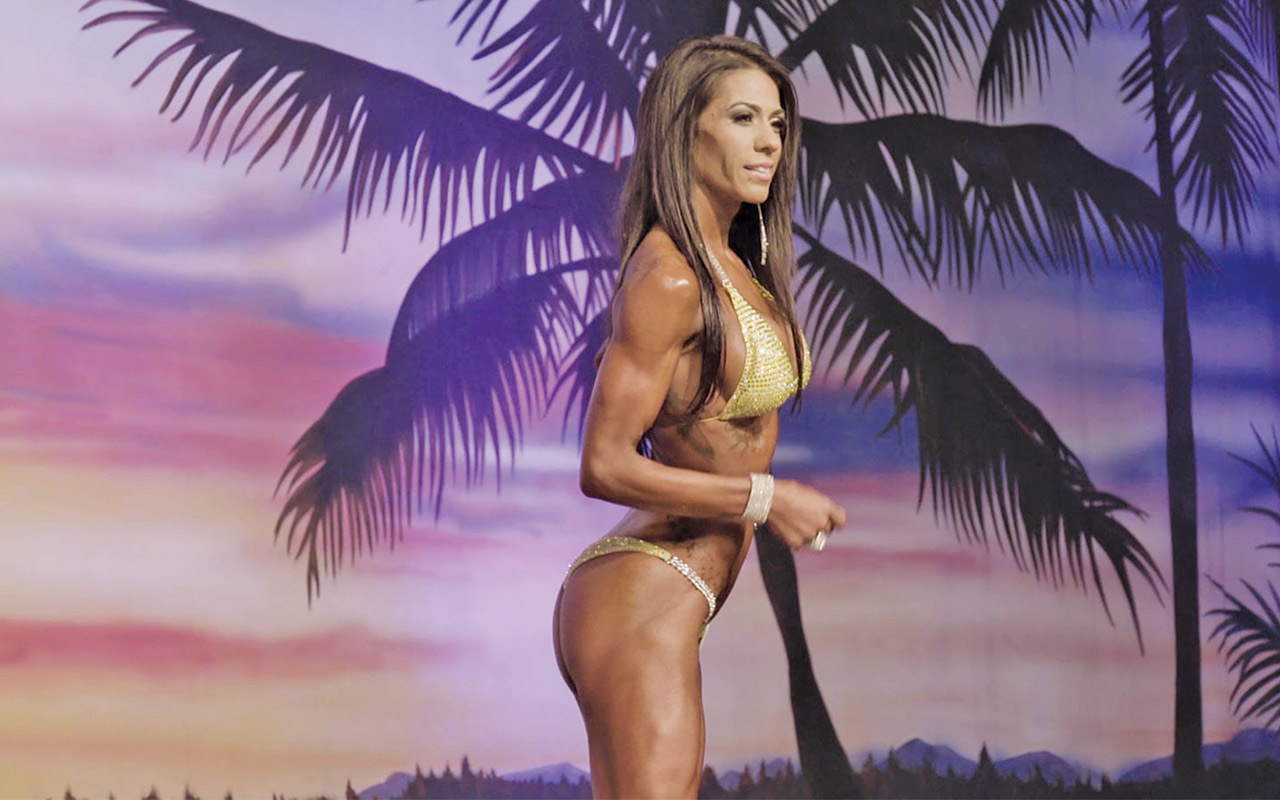
The theme of strength is apparent throughout the film, too. Feliciano enters a bodybuilding contest and we get to watch her train. It’s a fitting activity for a woman who’s been through a lot, and is constantly working her muscles, the physical ones and emotional ones.
In a statement, Feliciano said being in this documentary was part of her healing process, and that she wants it to inspire people.
There are a lot of lessons we can take away from Jeannette, but Feliciano sums up the main point very succinctly: “Life is like a rollercoaster. Scream the whole fuckin’ way through it. Just scream.”
Jeannette is available on VOD now.


