


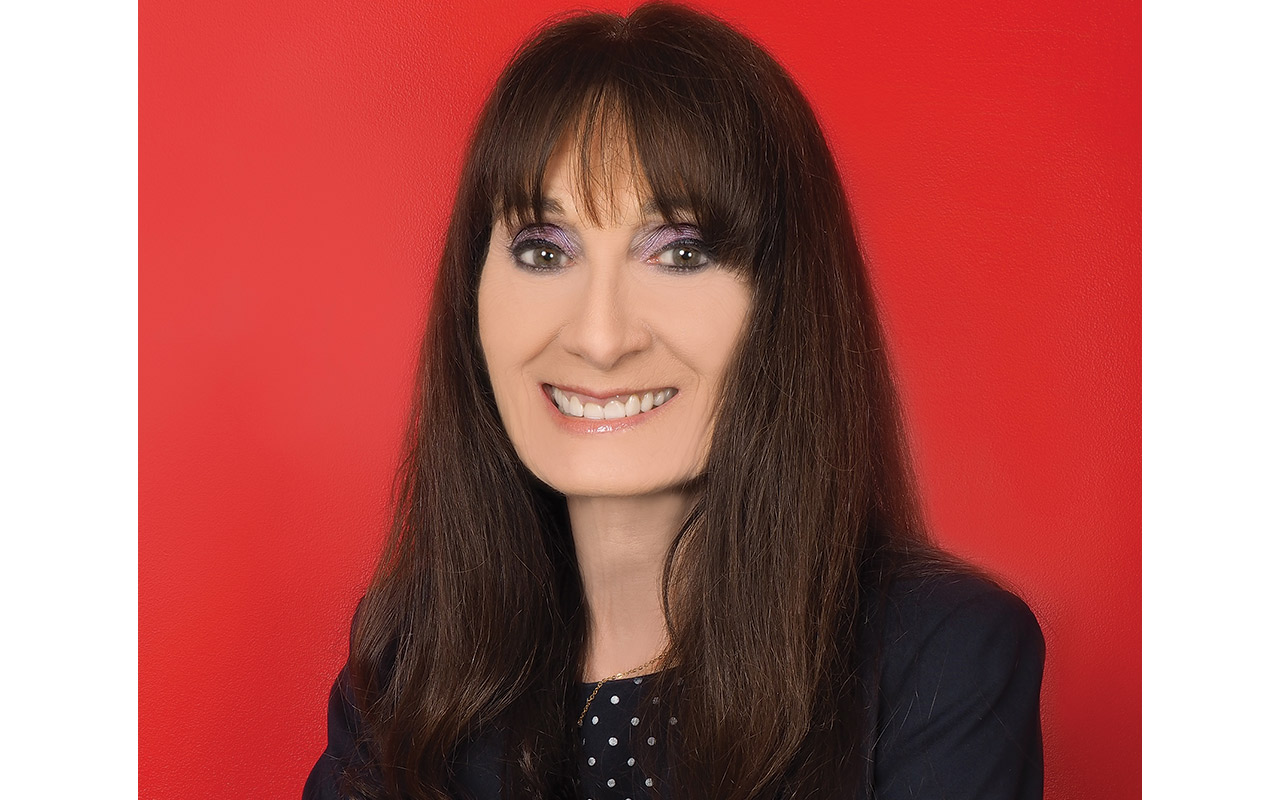
One of the latest items on the federal chopping block is the LGBTQ support line, part of the 988 Suicide and Crisis Lifeline. Such targeted and malicious attacks on our community will certainly endanger the most vulnerable among us, especially our youth. Debra L. Wentz, PhD, President and CEO of The New Jersey Association of Mental Health and Addiction Agencies, Inc., answered questions from Out In Jersey. NJAMHAA is the premier statewide trade association representing organizations that serve New Jersey residents with mental illness and/or substance use disorders, and their families. Their members may be found in every county and almost every community statewide. They serve more than 500,000 children and adults each year and contribute to the economy through 61,000 direct and indirect jobs. Dr. Wentz is also the Executive Director of the New Jersey Mental Health Institute in Mercerville, New Jersey.
Could New Jersey replace the suicide prevention service for LGBTQ youth who call the 988 crisis hotline if it is defunded at the federal level?




Debra Wentz: Right now, New Jersey may or may not have the extra funds. I would think call centers could still hire LGBTQ staff who could take the calls, though without the specialized line, access to specialized services will be much more difficult. Once it becomes known widely that the specialized line is gone, I would expect fewer youth will bother calling.
The state is facing a budget crisis. For the proposed FY2026 budget, all departments were asked to make reductions. Unless there is a legislative add-on in the final days before the budget needs to be signed, it is uncertain if there will be funds for a specific program.
If this special service for LGBTQ callers is eliminated, what would happen if an LGBTQ person were to call the hotline?
DW: Another staff person would take the call and would still try to serve the individual. It is recognized how important it is to have support from identity-affirming individuals and, ideally, peers with the same or similar experiences.





From The Trevor Project’s U.S. National Surveys on the Mental Health of LGBTQ+ Young People – 2022, 2023, and 2024 reports:
“LGBTQ+ young people who had access to LGBTQ+-affirming spaces, and transgender and nonbinary youth who had access to gender-affirming spaces, reported lower rates of attempting suicide compared to those who did not.”
The five most common ways that LGBTQ youth reported feeling supported by their parents or caregivers:













- Been welcoming to their LGBTQ friends or partners (62%)
- Talked with them respectfully about their LGBTQ identity (48%)
- Used their name and pronouns correctly (47%)
- Supported their gender expression (45%)
- Educated themselves about LGBTQ people and issues (35%)
If no support is provided, or if efforts to help are not effective, LGBTQ youth will have a significantly higher risk of experiencing deteriorating mental health. This population is already at significantly greater risk of mental health challenges and suicidal thoughts and behaviors.
From Mental Health America (imhanational.org/resources/lgbtq-communities-and-mental-health/):
- LGBTQ+ teens are six times more likely to experience symptoms of depression than non-LGBTQ+ identifying teens
- LGBTQ+ youth are more than twice as likely to feel suicidal and over four times as likely to attempt suicide compared to heterosexual youth.
- Approximately 8 percent of LGBTQ+ individuals and nearly 27 percent of transgender individuals report being denied needed health care outright.


If New Jersey were to provide a hotline for LGBTQ people, especially youth, to call, how might it be funded? Who might likely run it?
DW: Funding might be provided by the state, private foundations, and/or other organizations that recognize the importance of the issue. Any of the existing call centers for 988 would be appropriate, as would many providers who continue to provide culturally sensitive services, including behavioral healthcare providers with programs specifically tailored for this population, such as Family Connections and the Center for Family Services.
Are there private or state organizations that people can contribute to that may be able to take the place of this service?
DW: Family Connections and the Center for Family Services would be interested in absorbing this role, depending on how much funding they receive.
RWJBH Foundation funds health equity projects.
There are also the funded 988 call centers. New Jersey currently has four centers that can respond to the 988 number. They are Rutgers Health University Behavioral Health Care, the Mental Health Association in New Jersey, Caring Contact, and Contact of Mercer County. At this time, only Rutgers is available to answer 988 calls 24 hours a day and every day of the year.
I do not know if other contributions could sustain the service, although additional funds would certainly be welcome.
How might LGBTQ adults and allies help in this situation, either through advocacy or funding? Which organizations might they contact for information on this situation?
DW: There are many allies in the U.S. Congress. Recently, many signed on to a letter to restore this funding. Individuals should reach out directly to their Congressional members and advocate to restore the funds. That is where the real impact can be made. There are many who are sympathetic to the situation due to the fact that many people have family members, colleagues and friends who are LGBTQ and they may be more understanding of the situation.
Individuals should also advocate to their state legislators for supplemental funding to restore this line.
State legislators and Congressional representatives can be identified and connected with through NJAMHAA’s website.
Advocacy should also take place with Governor Murphy and his staff and the state department commissioners, especially the Departments of Health, Human Services. The Trevor Project is an excellent resource for information and advocacy (www.thetrevorproject.org).
Are any organizations in New Jersey monitoring the effects of these targeted budget cuts on our youth, and providing statistics or solutions?
DW: The state, our association, and other organizations are monitoring what is published in the press to the extent of our capacity. However, the state would be the best resource.
Department of Human Services Commissioner Sarah Adelman has been looking at the likely impact in New Jersey if federal cuts to Medicaid take place. Statistics are constantly being updated, in terms of how these cuts would impact the entire behavioral healthcare system and the individuals of all ages who rely on it. Many other research and advocacy entities are also focused on this issue.
Regarding solutions, we are constantly reading, talking to people, and advocating. Anything that sounds like a solution, we will take action on and share. However, we do not have anything specific at this time.
Is the current 988 hotline only for suicide prevention or would they help with other health related issues?
DW: The 988 call responders will facilitate getting people to other resources they need, such as hospitals and community-based physical and behavioral healthcare providers.
What 988 currently offers:
- The 988 Lifeline provides confidential, judgment-free care 24/7 through phone, text, chat, and specific access for individuals who are deaf/hard of hearing — all at no cost to individuals.
- People experiencing crises and individuals whose loved ones are struggling are strongly encouraged to contact the Lifeline.
- Additional resources on the website: Guidelines for connecting with therapists/support groups; building support networks and using them; developing safety plans; helping loved ones, including specific guidance for those whose loved ones are in the LGBTQI+ community; and staying safe on social media. There are also links to additional resources, both universal and for specific populations (LGBTQI+, veterans, survivors of suicide attempts, individuals who lost loved ones to suicide, different ethnic populations, Spanish speaking individuals); inspiring stories of hope and recovery; and interpretation services.
Are there other things you think people in New Jersey, or elsewhere, should know about this developing situation?
DW: The Trevor Project’s U.S. National Surveys on the Mental Health of LGBTQ+ Young People demonstrate slight decreases in suicide risk from 2021 through 2023 (each survey included responses about experiences in the previous year). The trend is not positive, though, as rates of suicidal thoughts and attempts and lack of access to care remain high.
Seriously considered attempting suicide in the past year:
- 2022 report: 45% of LGBTQ+ young people including more than half of transgender and nonbinary young people.
- 2023 report: 41% of LGBTQ+ young people; and young people who are transgender and nonbinary reported higher rates than their peers. [no additional statistic provided in this report]
- 2024 report: 39% of LGBTQ+ young people including 46% of transgender and nonbinary young people.
Attempted suicide in the past year:
- 2022 report: 14% of LGBTQ youth attempted suicide including nearly 1 in 5 transgender and nonbinary youth
- 2023 report: 14% of LGBTQ young people including nearly 1 in 5 transgender and nonbinary young people
- 2024 report: More than 1 in 10 (12%) LGBTQ+ young people including 14% of transgender and nonbinary young people and 7% of cisgender young people.
Related factors of suicide risk are not being able to receive mental health care, and experiencing symptoms of anxiety and depression, which could result from being physically threatened or harmed. These statistics from the same reports from The Trevor Project are below.
Wanting mental health care in the past year but not receiving it:
- 2022 report: 60% of LGBTQ youth including nearly 3 in 5 transgender and nonbinary youth
- 2023 report: 56% of LGBTQ+ young people it including nearly 3 in 5 transgender and nonbinary young people
- 2024 report: 50% of LGBTQ+ young people [no additional statistic provided in this report]
Reported experiencing recent symptoms of anxiety in the past year:
- 2022 report: 73% of LGBTQ youth including more than three-quarters of transgender and nonbinary youth
- 2023 report: 67% of LGBTQ young people including nearly three-quarters of transgender and nonbinary young people
- 2024 report: 66% of LGBTQ+ young people reported experiencing including over 7 in 10 transgender and nonbinary young people (71%)
Reported experiencing recent symptoms of depression in the past year:
- 2022 report: 58% of LGBTQ youth including nearly two-thirds of transgender and nonbinary youth
- 2023 report: 54% of LGBTQ young people including more than 3 in 5 transgender and nonbinary young people
- 2024 report: 53% of LGBTQ+ young people including nearly 3 in 5 transgender and nonbinary young people (59%)
Reported being physically threatened or harmed in the past year due to either their sexual orientation or gender identity in the past year:
- 2022 report: 36% of LGBTQ+ young people overall. 31% of LGBTQ+ young people and 37% of transgender and nonbinary young people
- 2023 report: 24% of LGBTQ+ young people overall. 18% of LGBTQ+ young people and 27% of transgender and nonbinary young people
- 2024 report: 23% of LGBTQ+ young people overall. 15% of LGBTQ+ young people and 28% of transgender and nonbinary young people
DW: From a May 2022 article by the National Education Association: “A little more than half of LGBTQ+ youth identified their school or college as ‘an LGBTQ-affirming space’ — and those students reported lower rates of attempted suicide. Even something as simple as using the correct pronouns — the ones that match students’ gender identify — can decrease suicidal ideas.”
Experience shows more and more the effectiveness of peers with lived experience in all settings. Our new mobile crisis outreach response teams (MCORT) include peers for this reason. Engagement is much more successful and, as I noted above, individuals in crisis are more inclined to call when they know there will be someone to answer who truly understands their issues.


