At only 35 years old, David Archuleta has already lived the lives of many. From being runner-up on American Idol, to leaving the music industry to go on a Mormon mission, and later coming out as gay — all that is only scratching the surface. For the first time, David Archuleta dives deep into family abuse, extensive religious trauma, getting engaged three times to fight his sexuality, suicidal ideation, and so much more, in his memoir, Devout.
When I have seen you in the past, we have discussed this book. Now, after three years of working on it, it is finally released and just became a New York Times Bestseller. Talk about a full-circle moment!




David Archuleta: Thank you! It paid off. It took a full three years from the process of meeting with the book publisher to figuring out how to edit my book after submitting it at 400 pages originally. The most difficult part was organizing everything I wanted to convey. I had to take breaks throughout the process because, when I would recount certain memories, it would trigger me, and I would start feeling exactly how I felt in the moment I experienced what I was writing about. I found myself reverting to who I was as a child, still scared, and feeling as though I needed to protect myself.
How much of an emotional toll did writing Devout take on you?
DA: I went back to a psychologist for a moment. I needed to in order to complete the rest of the book. I am glad I confronted everything because, in the end, it felt like a cathartic release. I covered so many things I held onto for years. Sometimes, you think you moved on from something, but truly you only suppressed the trauma. When you start remembering it, writing about it, and addressing it, you realize you never healed. This was a healing journey.
Some of the topics I write about occurred when I was 7, 9, and 12. They were the scariest experiences which I did not know how to make sense of at the time. You need to allow yourself to experience and process your pain as opposed to running away from it.




Exactly. I find this to be why society is in such chaos today. There are too many adult children. I think much of the bigoted behavior we see today derives from unprocessed trauma and/or children influenced by parents/guardians who did not process their own trauma.
DA: During my original draft of the book, I recounted all these events before I processed them, so it was really from a child’s perspective. Throughout editing and rewriting I spoke to family, friends, underwent therapy, and sought to approach my experiences with more perspective. It would be counterproductive to bring a reader into a space where I was stuck, because I did not want them to also feel stuck if they encountered anything that I have. I want to help my fans and readers get through their struggles, not just simply relate, and I think I accomplished that after multiple edits and variations over the past three years.













What were some of the most difficult topics to address in this book knowing it would be public and no longer a secret?
DA: I had blocked out much of my American Idol experience. I had blocked out much of the abuse and “stage dad” behavior with my father. I went from being a high school student to suddenly having millions of people as well as corporate executives invested in me. I think the intense pressure and the extreme expectations got the best of me. On top of that, when I was 9 a vindictive family friend falsely accused my father of sexually molesting my older sister. Thereafter I began to fear my dad despite him having not done anything for me to fear. I also would not tell him why I started behaving distant from there on out until many years later. I think my father’s escape from the crippling false allegations was becoming a stage dad, and in turn, he hyperfixated on my career. My father was controlling and relied on me not trusting myself in order to be reliant and dependent upon him. And it worked. I was too impressionable and followed whatever the adults in my life told me, hence the Mormon church.
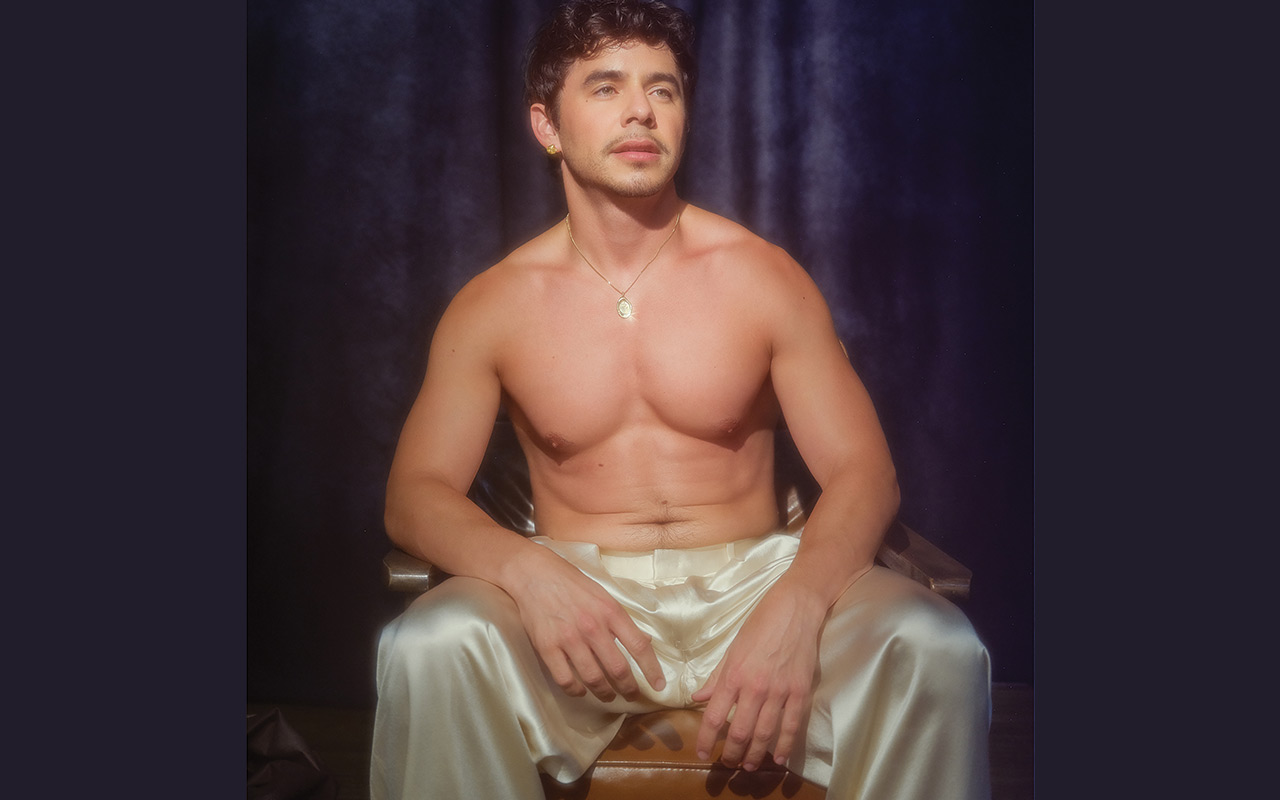
How did your father react when you decided to leave your singing career behind to go on a Mormon mission?
DA: When I went on my mission, my father was very opposed to it. He tried to stop me from going. My dad became extremely codependent on me, and I became extremely codependent on him. We had an “it’s us against the world” mentality. I also think this was ingrained in us already through the Mormon church. I opted to take a break because I felt a need to get away. I went deeper into the Mormon church because I was afraid of my career and being in the public eye. All of America was lifting me up yet the church viewed my career negatively and did not take me seriously to an extent.
On top of that, I already suffer from anxiety, so I was afraid of being seen. Thus, I went on a two-year mission, and I think my dad didn’t know who he was anymore because at that point he had lost his family, his marriage, and now he had lost the world that he helped create [my career] to escape the aforesaid. In turn, his world was falling apart.
When you returned to music, you continued to have a successful career yet tried to wed three times to three different women. Were your three failed engagements the result of pressure from your father and/or the church to be straight?
DA: There was no pressure from my father. I came back from my mission in 2014, and I came out in 2021. During that entire period, I was not speaking to my father outside of holidays. When I finally came out, I was surprised because my dad was so supportive and had nothing negative to say. He was proud of me, and it was beautiful. He tried to relate to me by telling me a story when he got hit on and went to a gay club out of curiosity. Initially I was like, dad, are you gay? [Laughs.]
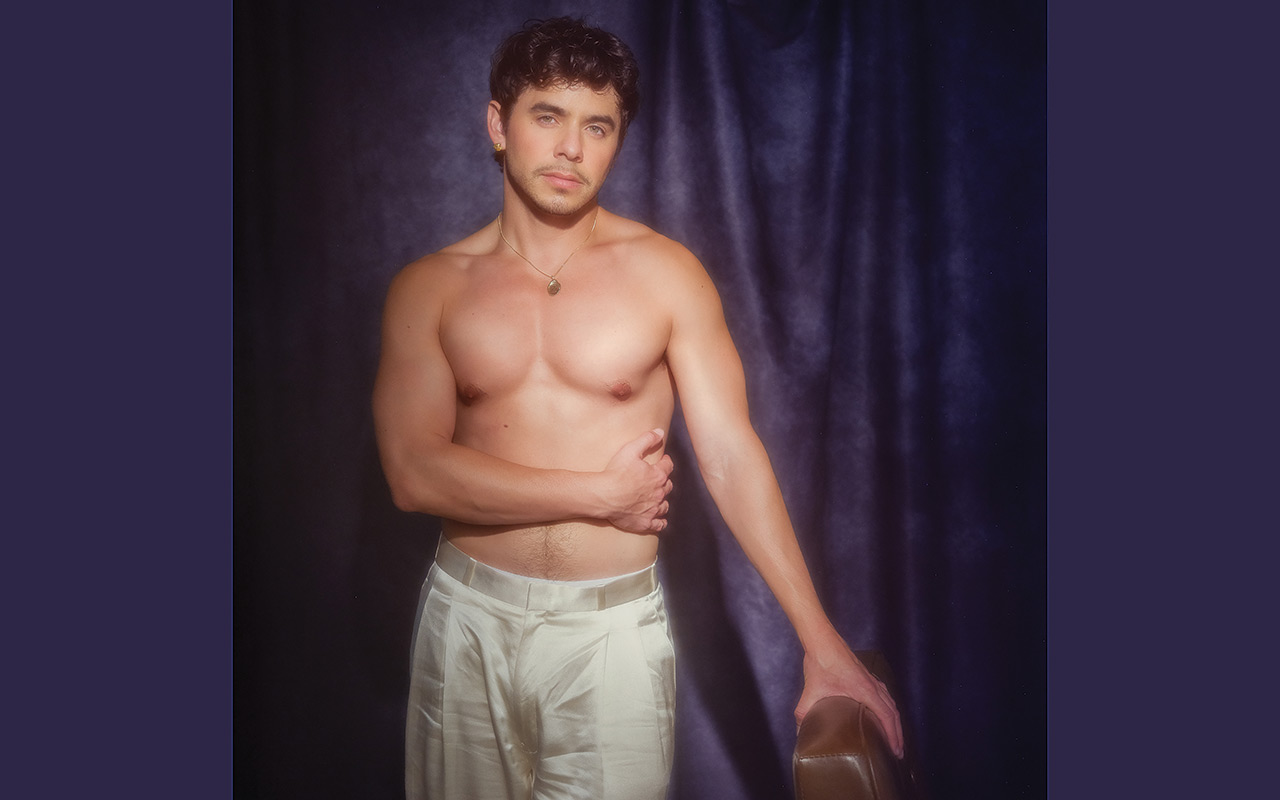

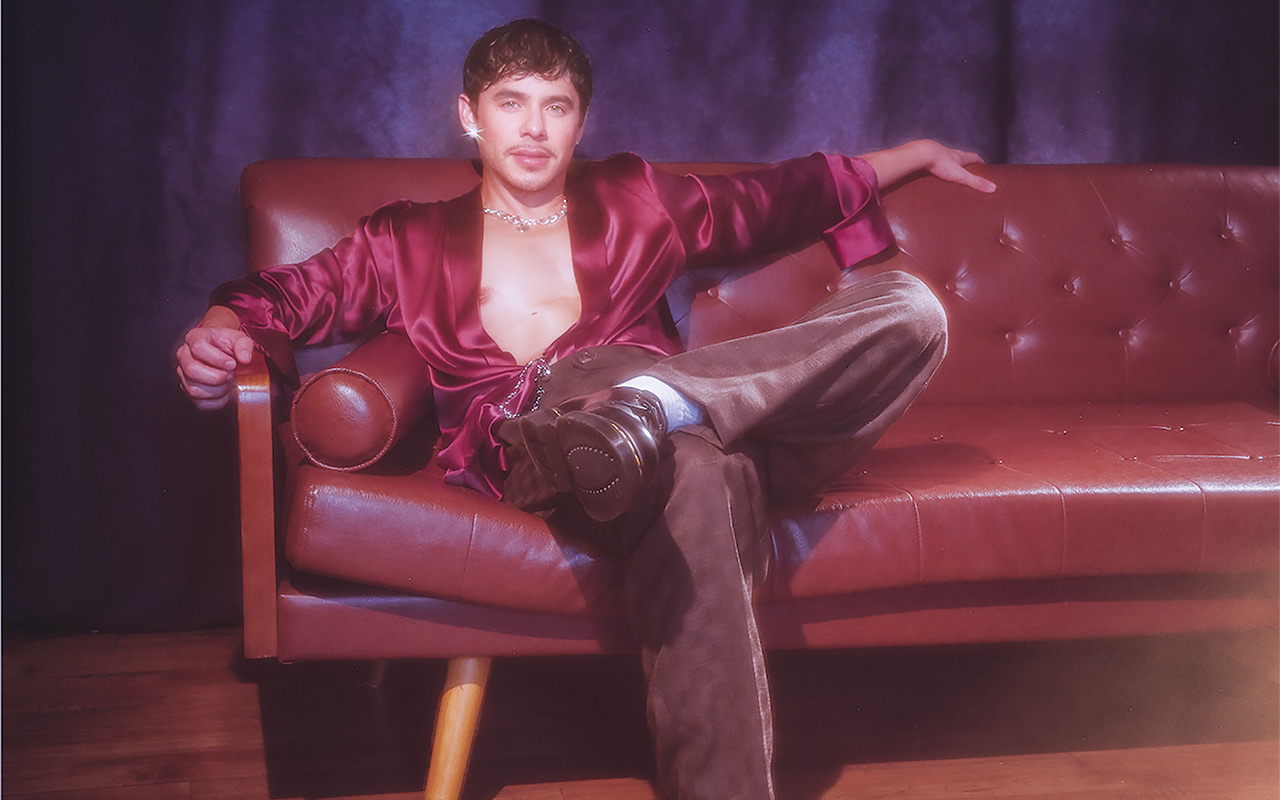
The pressure came almost entirely from the church because they’re very vocal about their stance on homosexuality. When I was on American Idol, the church heavily promoted Proposition 8 to ban same-sex marriage before it became legal nationwide. I was a shy, conservative, obedient young man. When I started to be associated with being Mormon, I felt I needed to be a Mormon icon despite their stance on Hollywood and homosexuality. Thus, I forced myself further into the closet with a wholesome image. I never even explored my sexuality before I came out given that I always felt like I had to hide and refrain from getting too close to anyone.
That is a rare, genuine response. At least you know you had him in your corner after your ups and downs, and moreover, after the false life-damaging accusations he endured. What would you say is the biggest takeaway for readers?
DA: Learning how to find your voice and how to be an authentic version of yourself after giving too much away to other people, and after letting other people control your life. This book is about finding a way to center back into yourself, give yourself strength, and learned how to establish proper boundaries so that you can thrive and flourish the most. Sometimes, when you think “this is the end,” it is truly only the beginning. This is why my favorite chapters in the book are toward the end. By the end of the book, I am no longer the scared kid I was in the beginning of the book, and I think that is indicative of the larger message here.