Calum Scott is breaking barriers and redefining the stigma that comes with being an out artist within the music industry. Although the industry is full of LGBTQ artists and entertainers, many opt to remain on the down-low for fear of a plethora of potential reprocuussions. Contrarily, Calum came out at the start of his music career, and instead of destroying it, his career has only blossomed. In the midst of his Avenoir world tour, Calum sat down with me and opened up about everything.
It is a pleasure to finally speak with you again. The last time we spoke was in 2018. So much has changed for the both of us since then.





Calum Scott: Now I am joining you from my own tour bus, a good one, too, this time around. I’ve been touring North America for about the first half of 2026, then it’s Europe for most of the second half of the year.
You’re booked and busy!
CS: Unlike other artists, touring is truly my favorite thing to do. I’m happy and content traveling the world. I have the best job traveling across the globe, performing for incredible people in beautiful venues. It is quite an improvement ]rom my past jobs working in a grocery store and human resources [laughs].
Your career has blown up since we last spoke. In 2022 I saw you when you opened for The Script on their Tales from the Script — Greatest Hits tour. Now, you’re headlining your own tour.




CS: We’ve had a glow-up since 2022. Since we last spoke, I released my sophomore album Bridges in 2022, and Avenoir in 2025. I have toured with Ed Sheeran in stadiums across Europe and Asia. I have evolved in the way I perform, present myself, and write my lyrics. This new album has blown open what I’m able to do. I’m able to get people out of their seats and not just make them exclusively cry like before, which is quite a nice feeling. Previously, I was only known for my tearjerkers.
I still give you kudos for being one of the only artists to be honest about their sexuality at the start of your career, or rather come out, as opposed to wait til the end of your career, which is sadly the case for many who use coming out as an extra relevancy attempt when stardom is dying. How does this album differ from the previous two?













CS: I am much more confident as well as content as an individual, as a man, as an artist. I never felt this way before. When I released my debut album Only Human, I had just escaped working a human resources job for eight years, and in turn was so new to the music industry. It was a complete culture shock initially. Suddenly, I was bestowed with this platform, attention, and the media. That took a lot of getting used to. I was left in the incredible hands of Fraser T. Smith, who has worked with the likes of Ellie Goulding and Adele.
it was important for me to stay sincere and write from personal experiences

I describe my debut album as a purposeful scramble. I’d never written an album before, yet it was important for me to be honest. I was open about my coming-out story and the issues I had with my sexuality. I think that honesty made me realize what I want to write about as an artist.
From there onward it was important for me to stay sincere and write from personal experiences, because that’s what’s resonated with the fans. Hence, the second album was more focused on my mental health struggles and my body dysmorphia at a time when I felt quite suicidal. I started leaning into that honesty and heartbreak more with the second album.
With my third album, I was finally able to give myself a pat on the back and feel I deserved my success. The third album is me trying to overcome imposter syndrome. Avenoir has made me more confident in my approach to work. On this album, I got to work outside my comfort zone. “Peripheral Vision” might be my sexiest song, although there’s a bit of cringe attached to saying that [laughs]. I got to work with the incredible voice of Whitney Houston, with the blessing of the Whitney Houston estate, on this album. I’ve evolved whilst maintaining the same emotional integrity, the same gratitude, the same ambition, just leveled up. For me, Avenoir feels like the album that I’ve always needed to make.
“Most artists were not this upfront and genuine at the start of their careers.”
Were you nervous after your debut single blew up, a cover of Robyn’s gay anthem “Dancing on My Own,” that you were going to be a one-hit wonder?
CS: If I were a more traditional artist, I think that could have happened. I’ve worked really hard to stay in people’s hearts, to stay in people’s minds, and I feel I have been successful primarily because of my vulnerability. Most artists were not this upfront and genuine at the start of their careers. I am doing meet-and-greets on this tour and fans have come up to me recently telling me stories about how my music has impacted them. It has been so varied: “’Rise’ helped me beat cancer,” “’Biblical’ is what I walked down the aisle to,” “I proposed to ‘You Are the Reason,’” “‘No Matter What’ was the song my son sent me to come out.”
When I am hearing these stories firsthand, I’m reminded of how important my music has been to people, and that is why I firmly believe the key to my success is how transparent I have been. As personal as a song has been to me, it has been just as personal to the fans. This is what made me feel like I finally have a purpose in life. This isn’t just me making pop music; it’s about using my platform to create a safe space for people to feel seen, heard, loved, and valued.

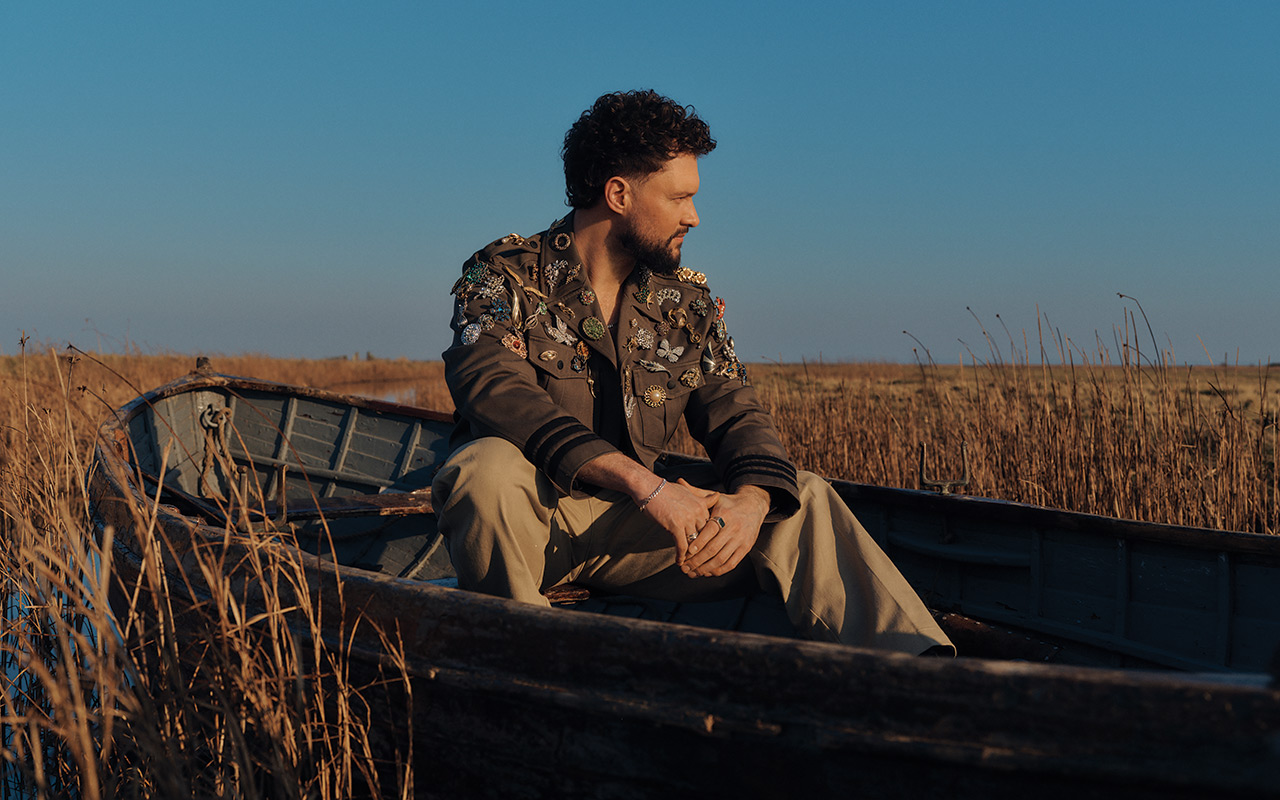
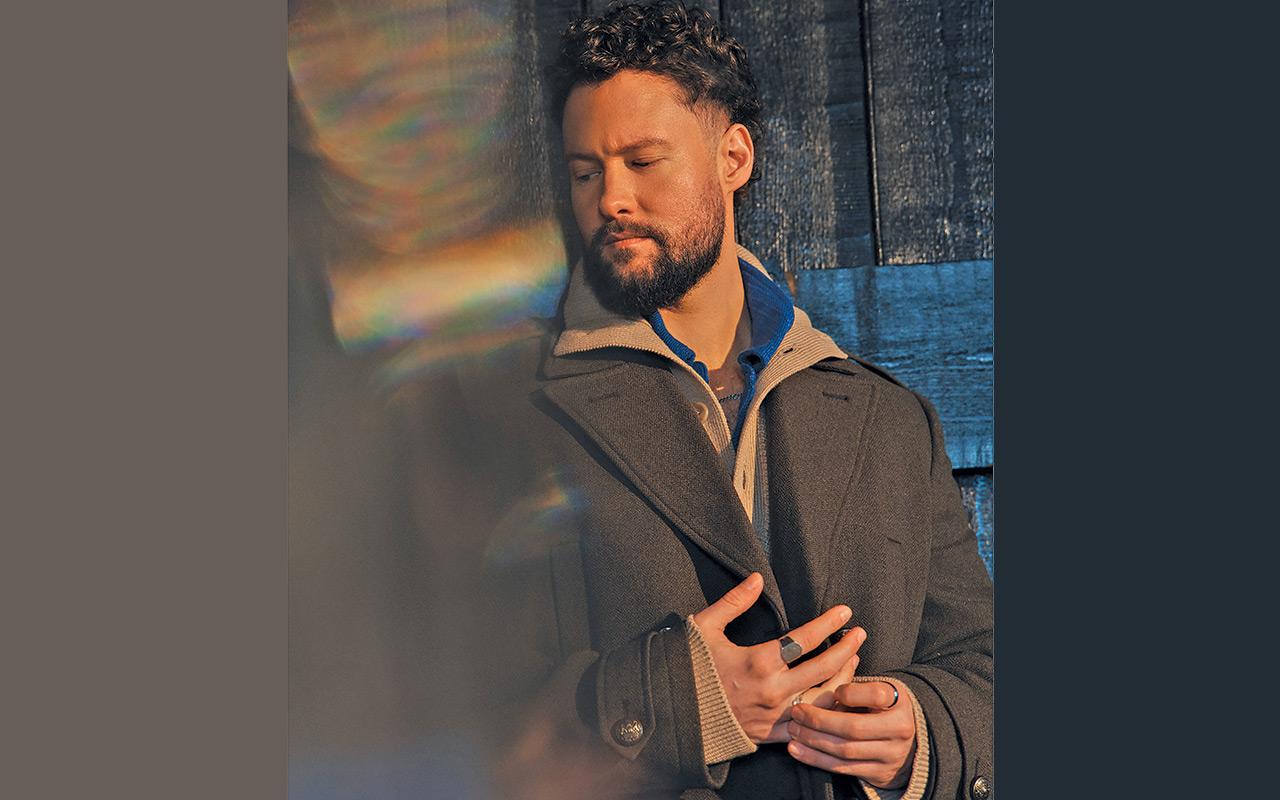
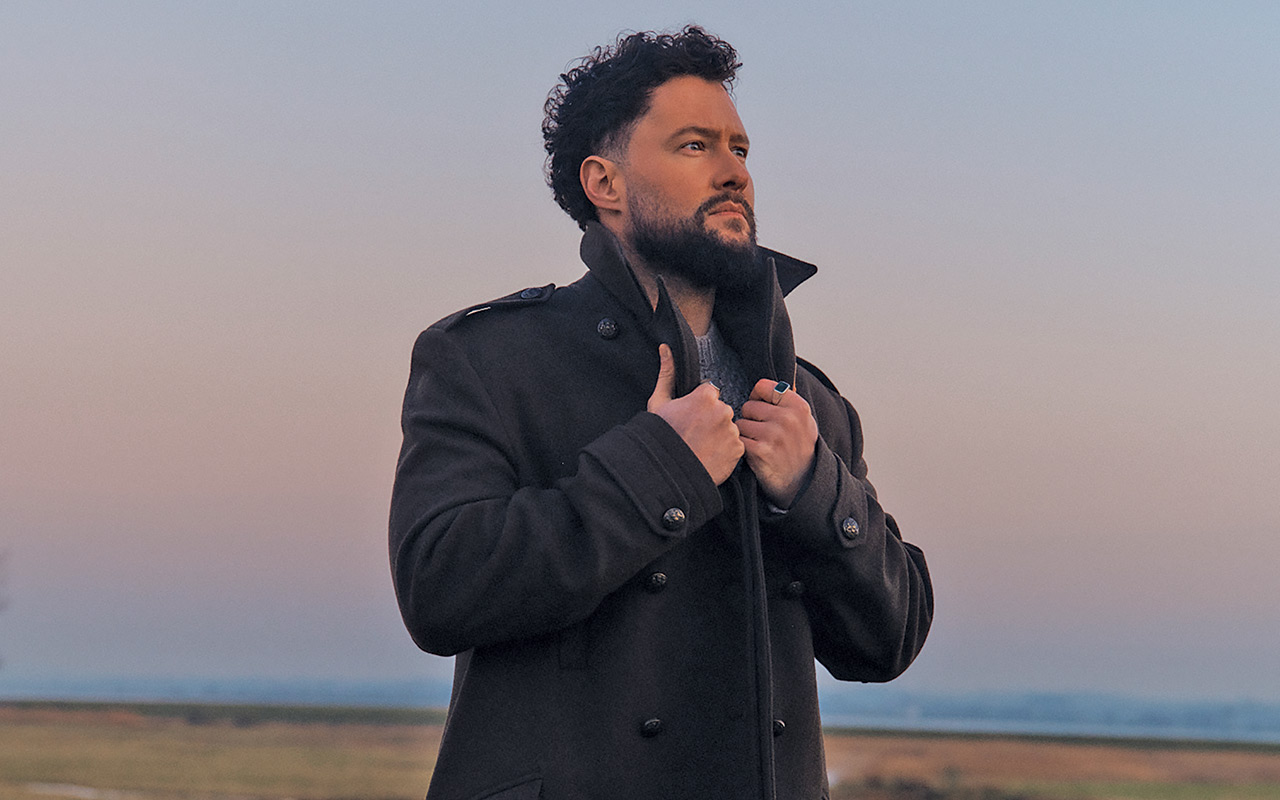
I feel like all your songs, both lyrically and sonically, cover heavy topics that people relate to because they need someone to empathize with them. Most of the music you hear today is very surface level. Your music is appealing and catchy, yet it is more focused on helping people navigate very personal subject matter. When people can relate to something, they usually don’t stray as a fan.
CS: I feel by straddling that difference, I stay humble, grateful, and relatable. I’m well aware that people are taking the money that they’ve worked hard for, which they should be spending on important things in life like our ever-increasing bills, and spending it on a Calum Scott ticket. Having come from working a very modest nine-to-five job in a working-class city brought up in a working-class family, I understand and appreciate it all the more. I desire a friendship with my fans because it’s crucial in a world where there is so much to be worried about currently.
How long did you hold off coming out, and after you came out, how much did it still have a hold over you?
CS: I was around 12 years old when I realized that I was a little bit different from my buddies. We were all skateboarders, BMXers. We would hang out in big groups, and as boys do, they started to get girlfriends. I was the only one never interested. I never placed that on sexuality initially. I was like, ‘Why are we hanging out with girls now? I want to be with my boys, I want to hang out, I want to skateboard.’
They were taking attention away from that, and it wasn’t until one of my friends at the time who I was really close to asked me, “Why are you not interested?” He told me his girlfriend had a friend who thought I was cute. I was not interested at all, then I developed anxiety about it ‘when I started internally questioning myself, which led to me eating less. I told my mum, who is an angel. She told me she loved me no matter what, which is what ultimately led to the song “No Matter What” and its message.
“I was socially abandoned after I came out, which is when I learned the good and bad of it all, and actually went back in the closet.”
My adolescence got worse when I came out. I was socially abandoned after I came out, which is when I learned the good and bad of it all, and actually went back in the closet because my experience terrified me. I made new friends, got a girlfriend, and literally went back in the closet after an being outcast. I wanted to remain hidden because I lost all my friends at a young age the first time, which traumatized me. It wasn’t until I became an adult, I started slowly coming to terms with my sexuality again. I still was quite selective of whom I told, which is why when I started my music career, it was simultaneously my coming-out journey in the beginning.
Following the release of “No Matter What,” which almost did not make it on the album, I told everyone personally and professionally. That is also when I started to receive a lot of support, because listeners were able to relate to my story of being abandoned, and all the negative things that go along with coming out. The downsides, the reactions, and the effect it has on you are not intricately discussed. That song was just as therapeutic for me as it was for all the fans who connected to it. I was able to finally make peace with it, and it actually benefited me professionally too.
You raise a very good point. A lot of apprehension with coming out boils down to social acceptance whether it be personally or professionally. Many celebrities are afraid to come out because they are fearful of how it will affect their careers, despite the fact that it becomes a recurring blind item in the press. Many ordinary people are afraid to come out because of what you experienced the first time around, social isolation from friends and/or family. I think you doing it in such a public manner, particularly at the start of your career no less, and proving you can grow to be even more successful whilst being honest, is a prime example and testament.
CS: I had internalized homophobia for so long, which is why I went back into the closet. Many men and women experience that; they know who they are inside yet don’t want that displayed or revealed publicly. Hence, they become self-conscious and are hyper aware of what may come off as gay. When I released my debut album, Only Human, I was sincerely afraid people would hate me for being gay, not buy or stream my music, not show up to my shows, all because of what I experienced the first go-round in my personal life. In hindsight, it’s ridiculous, yet just goes to show how much of an effect people’s reactions can have on us. Releasing the deluxe edition of my debut album with “No Matter What” was the best decision of my career.
It all came full circle. You went from being the opening act for many artists to being the headliner all across the globe, without the “gay artist” label holding you back from dominating.