


LGBTQ+ video games part of $66B industry
The video game industry has come a long way from its earlier days of Pong and Pac-Man. According to the International Trade Administration, the industry has contributed close to $66 billion to the United States’ gross domestic product. The LGBTQ+ community is not left out of this art form. The queer advocacy organization GLAAD found in 2024 that one in five active gamers is LGBTQ+.
Out In Jersey Media reached out to several LGBTQ+ video game developers in New Jersey and around the world to learn more about their experiences within the industry and LGBTQ+ games.





Rawb Herb, 32, of Pittsburgh, who uses he/him pronouns, is a gay solo developer and freelance concept artist and character designer with experience as an art director in the independent game industry. He is working on a solo project called The Tennis Academy. It is described on the Steam online game store page as a story in which the fate of the world is decided via tennis battles. This game allows the player to engage in LGBTQ+ dating as well.
Speaking about the experiences LGBTQ+ game developers such as himself have had in their field, Herb said workplaces have more workers who are LGBTQ+ and have become more accepting of those with that identity. Despite the accepting environment, he continued, he’s needed to advocate for that same representation in the games made. “If you believe enough in doing the right thing, it’s possible to convince others as well. Sometimes it takes a lot of patience, but having queer coworkers to back you up definitely helps, so definitely look to build those relationships when possible,” he said.
Cal Reinhard, 34, a queer and transgender man who lives in Central Jersey and preferred his hometown not be used, is a build engineer and independent developer among other roles. Reinhard, who uses he/him pronouns, said his experience was mostly fine except for a sexism incident with a colleague before his transition. He recounted that he transitioned while working for a large company and had a positive experience. He and his coworkers were eventually laid off, but he became a United Voices of the World union organizer to improve working conditions for all workers, including LGBTQ+ workers.
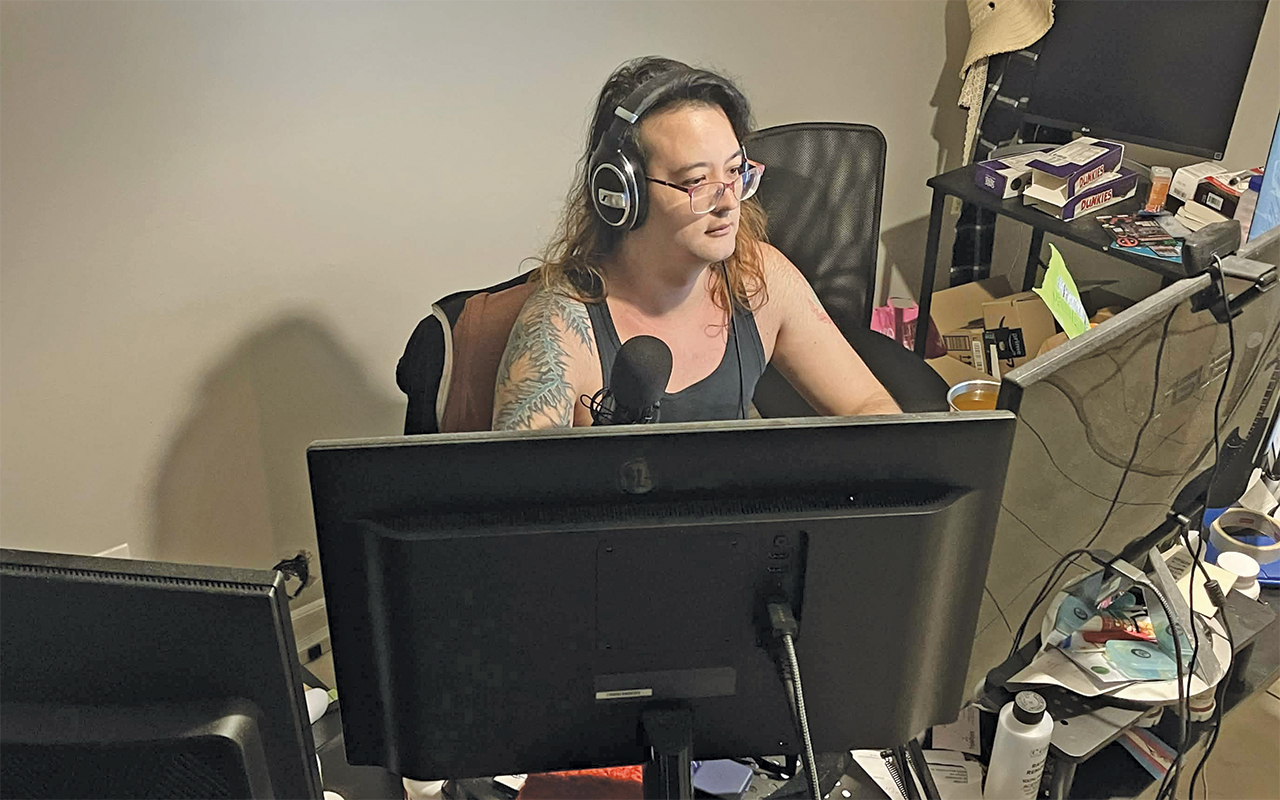

Reinhard worked on Star Wars: The Old Republic, which included LGBTQ+ representation. Currently, he is working on The Grain Reapers, in which the protagonist’s group does “not have or recognize typical gender expression.” Reinhard said that profits from this game will fund his upcoming farming simulator, which aims “to really push the social aspects of gender and how it affects relationships, especially with regard to how changing your gender can affect relationships.”




Monica Fan, 32, of Pittsburgh is a genderqueer and pan game designer with 10 years of experience in the field. Fan, who uses she/they pronouns, said that while she has not worked on games with LGBTQ+ themes because companies hesitate to fund projects with those themes due to the current political climate, many games without LGBTQ+ themes are made by LGBTQ+ developers like herself.
Fan said that out of all her other jobs, she has seen the most people who are able to be themselves are within the video game industry. She said this helps her feel comfortable to be herself. “When I tell people I am genderqueer and pan, I rarely have to give a Gender and Sexuality 101 class afterward, which is refreshing,” she said.













Independent game developer Lucy Blundell, who uses she/they pronouns and lives in Germany, said she had not yet discovered her LGBTQ+ identity when she worked for a larger game studio and came out after becoming a solo independent developer. Blundell, who preferred that her hometown and age not be used, said she found a variety of different reactions to her LGBTQ+ games. “Some love to see the representation, some don’t care either way and some refuse to play,” she continued, noting that publishers, curators and streamers are shying away from LGBTQ+ video games because of the world economic situation.
Blundell worked on a game called VIDEOVERSE and described it as “a decision-based narrative adventure set in an online gaming network.” It focuses on character development, friendship and love and features many LGBTQ+ characters and the option to experience platonic love rather than romantic only, said Blundell, who identifies as being grey-asexual and queer.
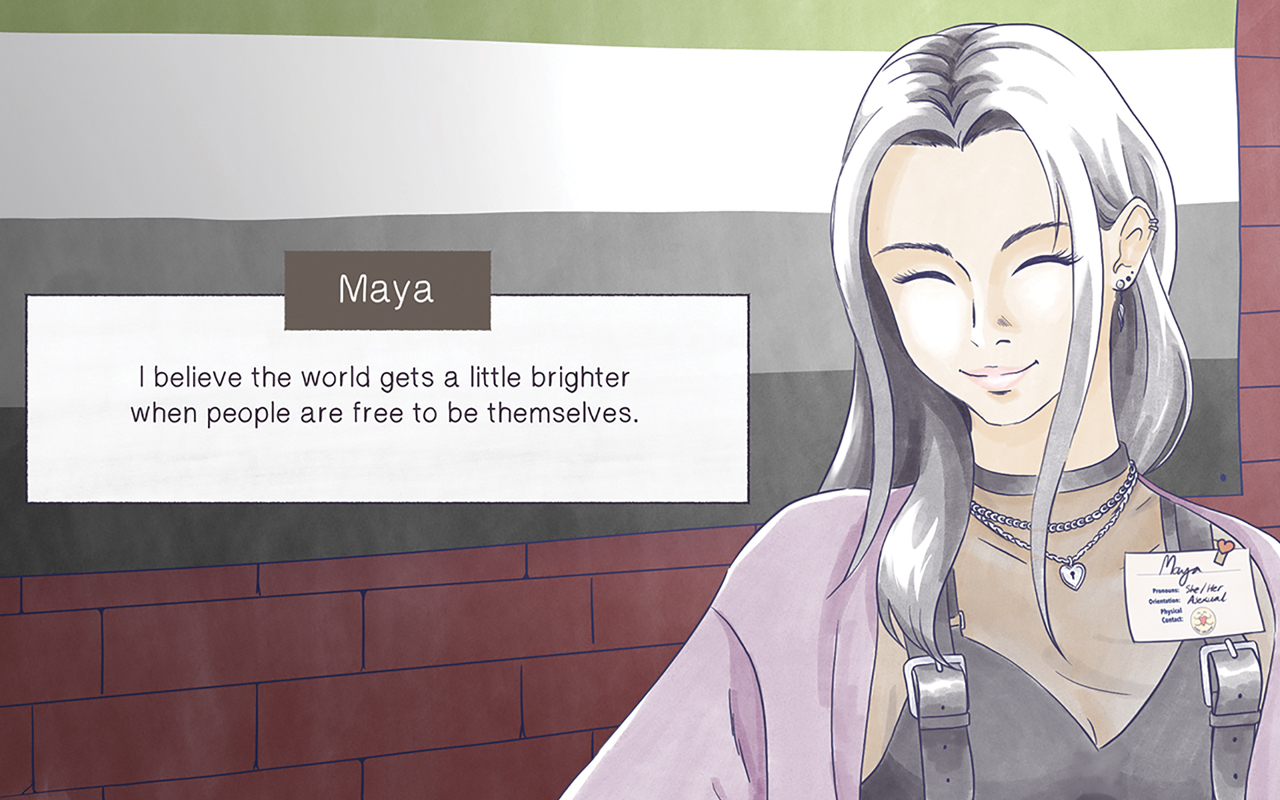
She said she makes an effort to uplift others with asexual-spectrum identity like she has, noting she has reached out to people with that identity for consultancy, promotions and playtesting leading to encouraging positive feedback. She is developing Ace & Aro: Heart-to-Heart, “a short, insightful narrative experience that welcomes players to talk freely with a-spec characters, understand their journeys and make lasting connections.”
“I feel like the coworkers I’ve bonded with since coming out have more often become lasting friendships though, as opposed to before.”
Jem Andrea Manley-Buser, 39, of Seattle, a bi/pan transgender woman with more than 15 years of experience in the industry, calls herself a “Jill of all trades.” The gameplay programmer, who uses she/her pronouns, said she cannot affect development on the games she’s currently working on, but added that she includes LGBTQ+ themes in her personal projects.
Manley-Buser said that while her sexuality has not been an issue because it is not addressed in the workplace, she had experienced a “cooler reception” and difficulty being heard in interviews post-transition. Despite this, she added: “I feel like the coworkers I’ve bonded with since coming out have more often become lasting friendships though, as opposed to before.”
She said her identity and experience inform her work. “It also certainly affects how I view stuff. Everything from being more aware of biased language in menu prompts to noting whether a given workplace’s bathrooms are inclusive are now things to keep in mind.”
For those interested in getting into LGBTQ+ gaming, the developers recommended games to get new players started.
Herb recommended Tell Me Why, which he described as “a great story featuring a trans protagonist that takes place in Alaska.” He warned that the game “has some heavy themes, but it’s beautiful and not physically demanding to play.” Two others on Herb’s list for gamers to check out are Undertale and Deltarune. He describes them as “challenging retro-style action games with charming stories and an assortment of queer characters.”
Both Herb and Blundell recommended Tomodachi Life: Living the Dream, with Herb describing it as “a silly life [simulator] game with inclusive gender and sexuality options for the characters you create.”
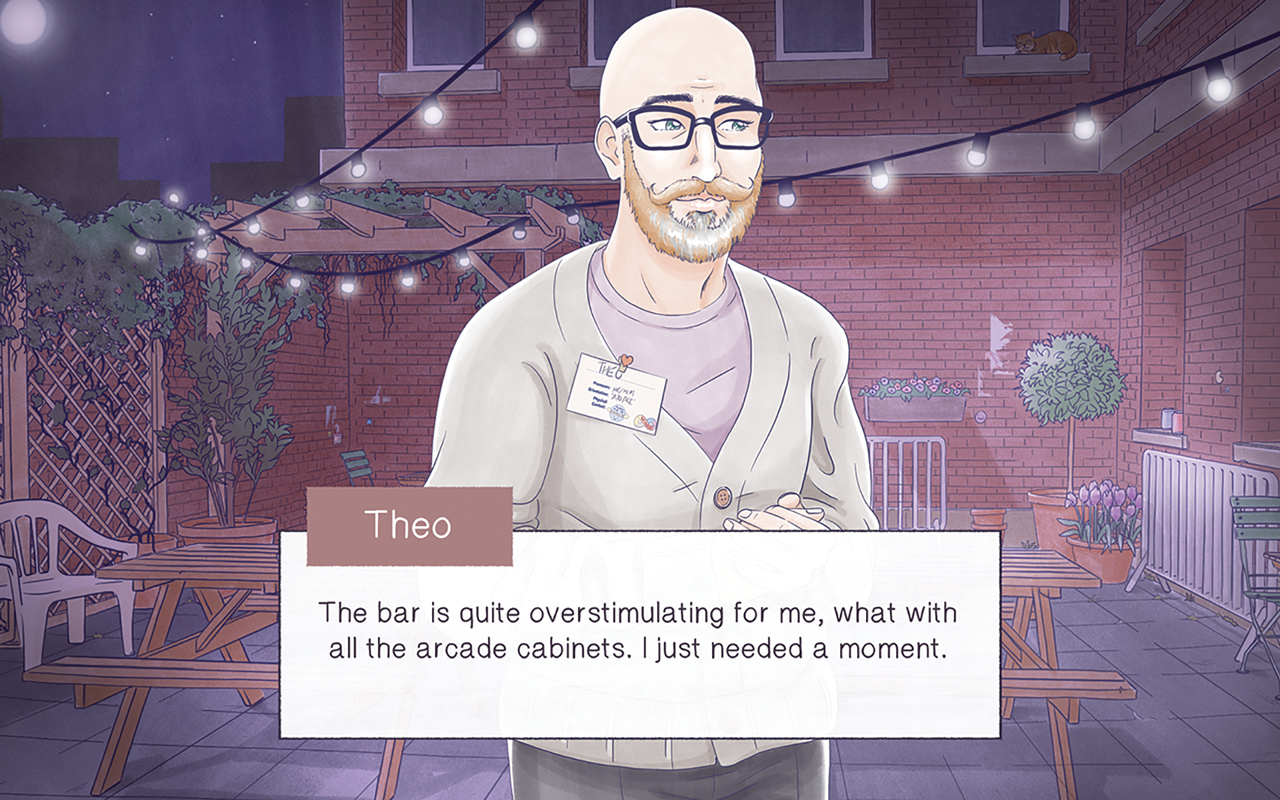
Blundell thinks gamers should also try Wax Heads, describing it as “a new narrative game where you run a record store.” She said most characters are LGBTQ+ or allies with a “heart-warming” sense of community.
A game Blundell calls “a fun, puzzle adventure game full of LGBTQ+ representation” is Bugsnax. “The characters are well written, interesting and part of the main story with their queerness not being their defining trait,” she said. Reinhard recommends this game as well.
The protagonist in the role-playing, puzzle and exploration game End of Starchild is nonbinary, and the game “explores themes of nonconformity and expression in an ever-more soulless corporate world,” according to Manley-Buser. The game has an agender creator/composer. “Agender” means to a identify as genderless or feeling neutral about one’s gender.
She also recommended life-simulator games Stardew Valley and The Sims for their LGBTQ+ representation as well.
Reinhard added Baldur’s Gate 3, the Hades series, Date Everything!, Unpacking, Celeste, Coffee Talk and The Cosmic Wheel Sisterhood to the list of LGBTQ+ gaming recommendations.
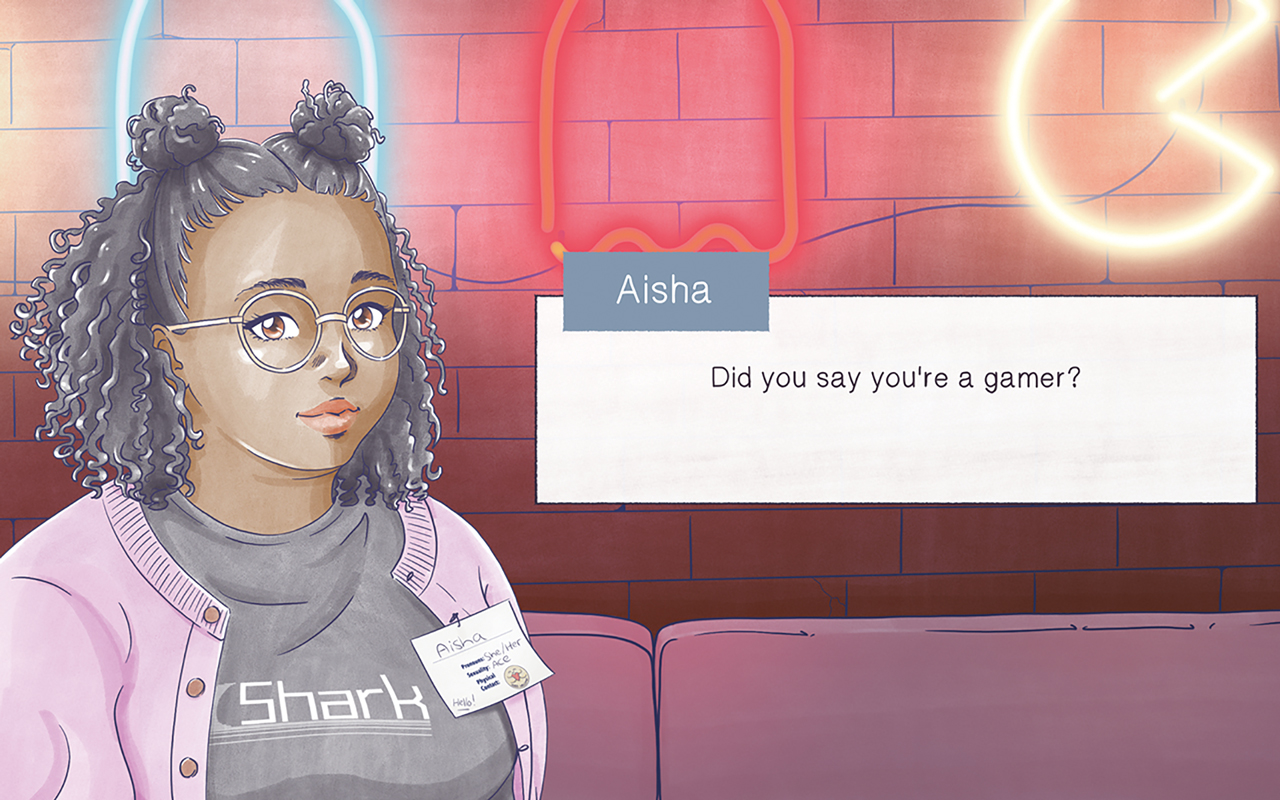
As for upcoming LGBTQ+ gaming events, Blundell acknowledged the Steam PC gaming store’s digital-only event “Games That Ace It,” featuring games from asexual developers and games featuring asexual themes or characters. There will be streamers and press checking out game demonstrations, as well as a sale on games. She added that it is scheduled to take place from Oct. 25 to 31.
Fan advised checking out Qweerty Gamers’ list of games on its website, to find “queer [independent] games that can use more support.”
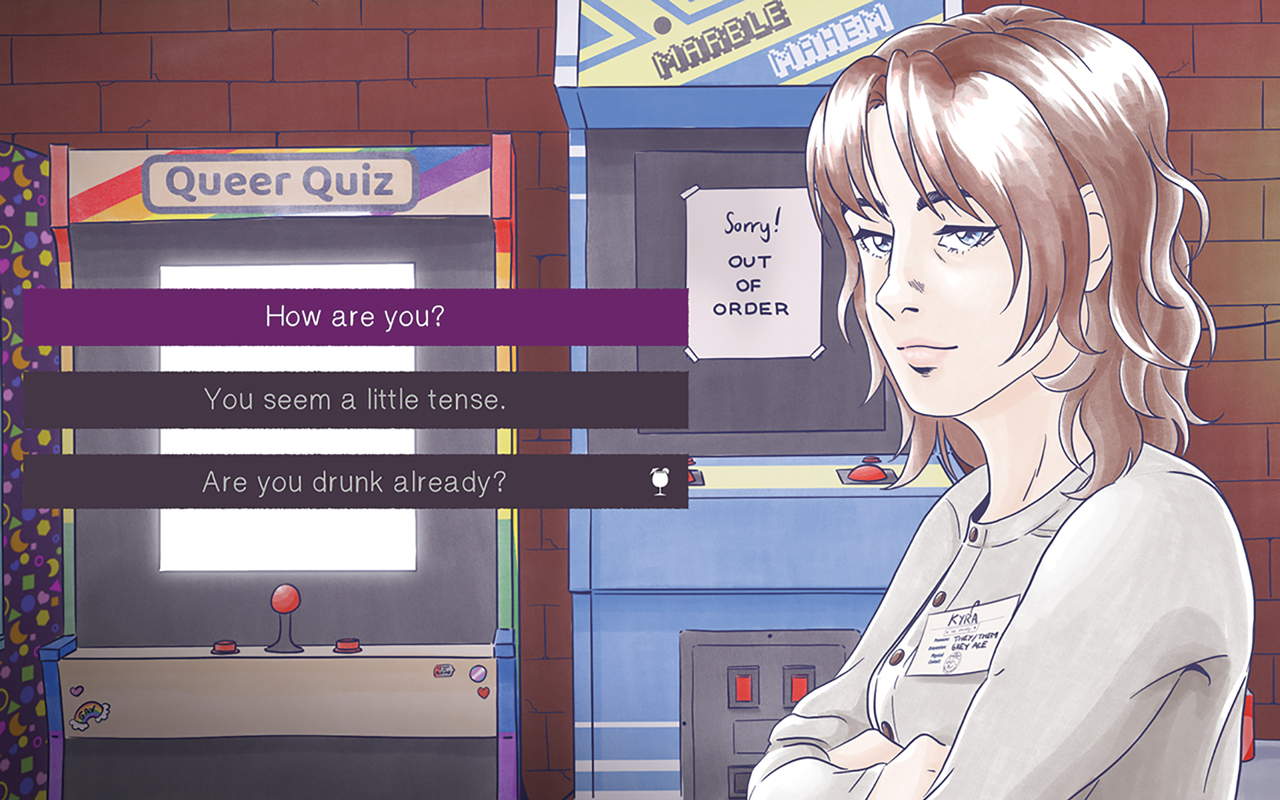
“The game industry is going through horrible [layoffs at the moment], and it has disproportionately impacted [developers] with marginalized identities,” she said, encouraging gamers to “support queer art; be loud about supporting queer art.”
Manley-Buser explained that previously many LGBTQ+ developers did not come out until decades into their careers, but now developers can more easily be themselves in the workplace and include characters with LGBTQ+ identity in their games. She noted the benefits of independent game development.
“Games like Hades would never have even been pitched 20 or 30 years ago, so it’s great that the industry is in a position where not only can games like this happen, they can thrive and stand on the same stage as bigger legacy franchises,” she said, adding that the industry still has a long way to go, but she remains hopeful.
Blundell acknowledged that support is crucial. “Queer gaming communities work tirelessly at supporting queer games, developers and players. I hope their communities continue to grow and we see more support from the wider industry, such as store fronts and publishers,” she said.
Manley-Buser believes authenticity is important for LGBTQ+ developers.
“Even if you’re not in a position where you can overtly bring representation or themes to your project, or even if you’re personally not in a position where you can be open about your true self to those around you, it’s important that you bring that true version of you to your work.
“It may not seem like something that even lends itself to such expression, but it comes through. Whether it’s through the wording of dialogue, the accessibility of the [heads-up display], the way that skill system works, or the underlying structure of how your project saves the player’s progress, your unique life experiences and thought process go into all of that,” Manley-Buser said.
Looking ahead, Herb is hopeful about the state of LGBTQ+ video games: “The future is definitely pretty gay.”


