



Visceral and thought-provoking, I Saw the TV Glow presents a New Jersey-based story about embracing and rejecting queerness — specifically the trans identity. Jane Schoenbrun wrote the film to be in the straight-filled suburbs and even directed it in the Garden State. The movie dives into queer themes of loneliness, found family, and the impact of suppressing one’s true self.
I Saw the TV Glow, hitting streaming on Sept. 20, 2024 is your next gay movie night watch. It may not be popcorn and giggles, but the emotionally charged film will leave you changed for the better. The movie hits like 2023s spectacular Everything Everywhere All At Once or even Perks of Being a Wallflower. You’ll think about it as the nights pass and your online feeds become engrossed in fan theories. The film’s core message is it’s never too late to seek your inner truth. It is conveyed through whimsey, haunting visuals, and stellar performances.





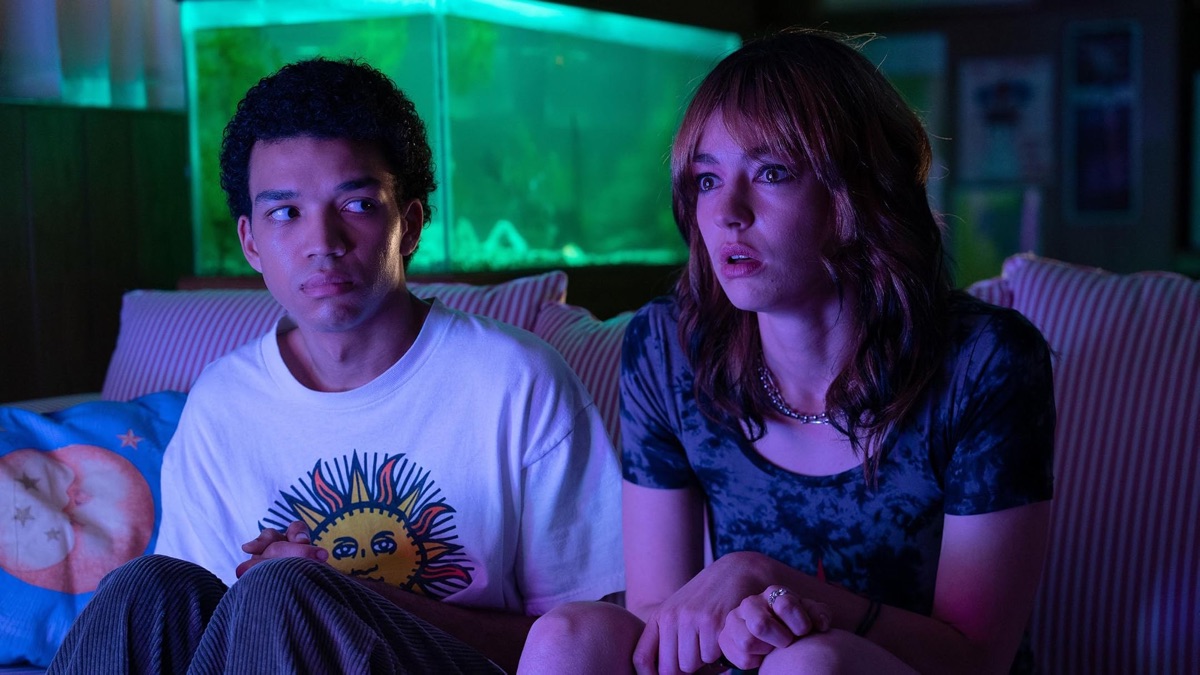
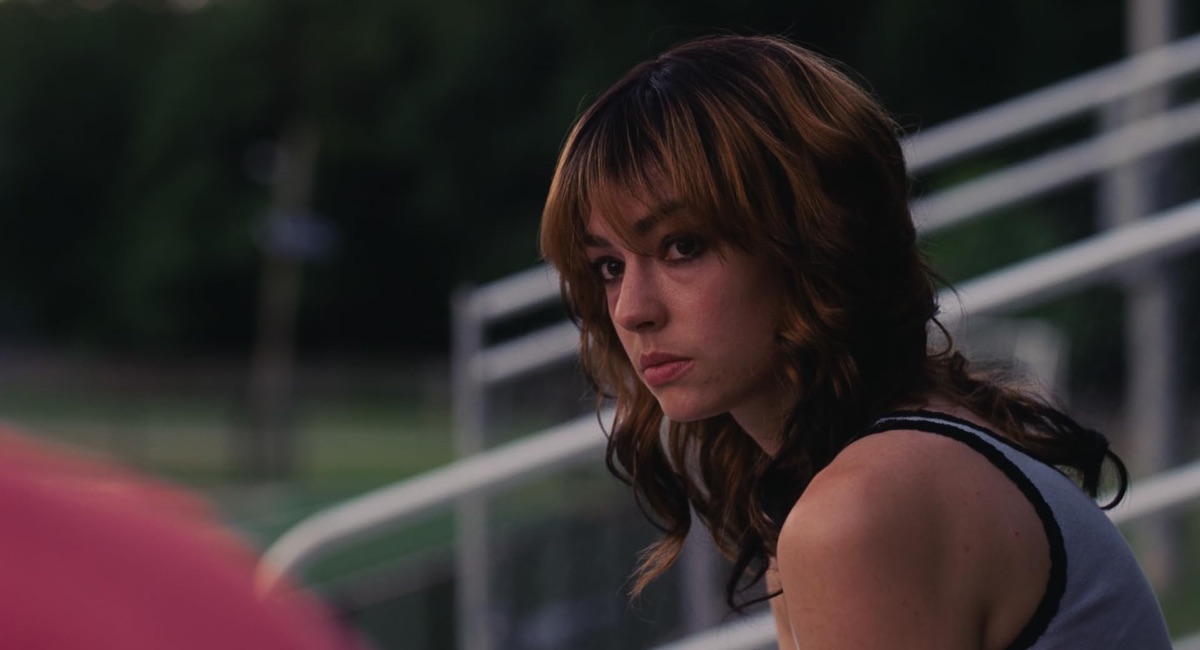
Bridgette Lundy-Paine and Justice Smith play Maddy and Owen, respectively, and are gut-wrenchingly vulnerable. As the movie jumps through several years and stages in their lives, the characters are lived-in from start to finish. They carry that unmistakable fear all queer kids have and present it through the story in a way that’s both dark and hopeful.
On the surface, the movie follows two young adults and their connection with a creepy, obscure TV show. A closer look with a queer lens exposes much more — how people express or repress their trans or queer identity can mean a world of difference. The Pink Opaque, the fictional TV show the teens find meaning through, fills their world with wonder. It means something to them that’s unexplainable and irreplaceable, digging into their queer psyches before even registering it needs awakening.
In a brief but powerful scene, we see Owen try on a dress for the first time. It’s one of the only moments the character finds ease.
Maddy and Owen are like so many of us. We love our weird, usually queer TV shows and stick with our obscure niche obsessions. Whether it’s Steven Universe or Buffy The Vampire Slayer, so many of us have a queer-coded media that’s become part of our DNA. We can reflect on how representation has ignited something in us, just as The Pink Opaque did for Maddy and Owen. The show is their escape from the hetero masses and soon offers an escape for them both.






Only one of them isn’t ready to take it, literally running from the change. We catch up with the characters years later to see how the decision to flee changed them both.
**Spoilers** The consequences of suppressing queerness, specifically Owen not being able to accept his burgeoning trans identity, divide the friends. In the future, he’s confronted by an older freer Maddy, who tries to help Owen escape “comfortative heteronormativity” with an impassioned speech about her metamorphosis. Though Owen still isn’t ready, rejecting the unburdened life Maddy shares is possible. He continues to wither, collapsing under the weight of his straight life (he mentions gaining a wife and kids without so much a smile.)














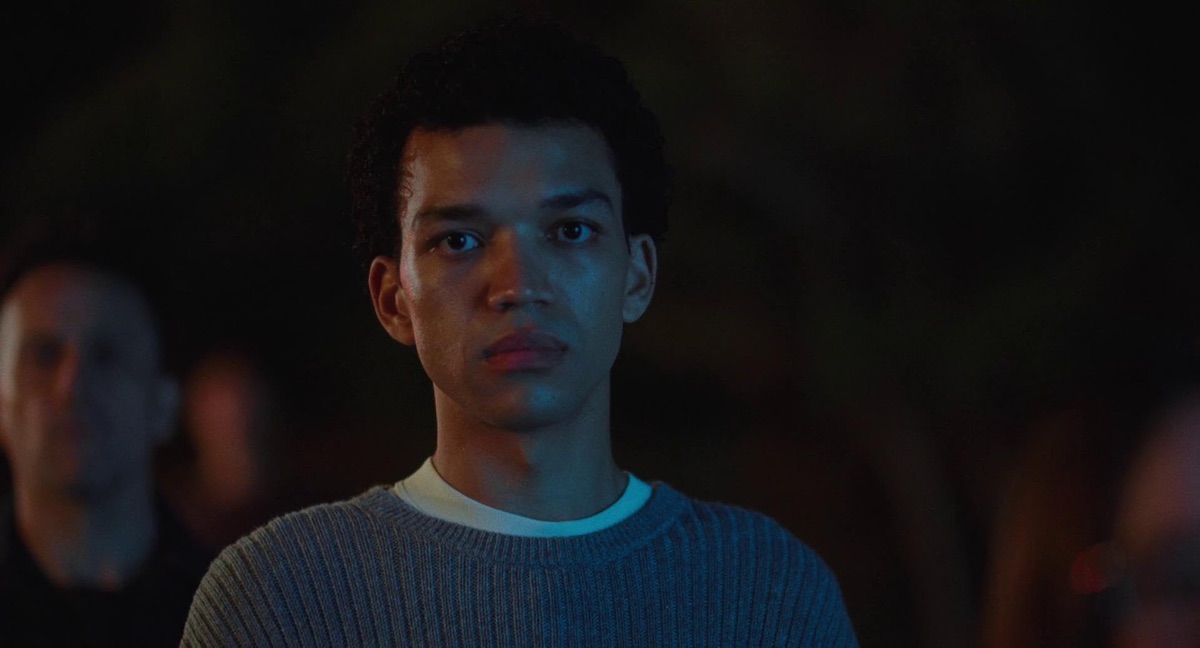
Actor Justice Smith spoke extensively about the physicality of his performance, giving Owen a debilitating asthma problem that only worsens over time. Constantly delivering lines in a panicky, unconfident state was a purposeful decision by Smith to convey how Owen felt like a stranger in his own skin. This is similar to the experience a lot of queer and especially trans folks feel, how bottling up your true self has physical ramifications. Unable to breathe, literally suffocated by his unchanging circumstance, Smith gives a wild ending to nail the complex performance.
The movie’s super creepy aesthetic is balanced with the whimsy of The Pink Opaque, represented through beautiful neon colors. At one point, Owen’s father forces the shining lights out of his head by shoving him under the shower faucet. It’s a profound visual for parental suppression of a kid’s sexuality, it’s powerful.
The I Saw the TV Glow soundtrack will go down in artsy movie history. A gentle mix of smooth lo-fi and twinkly guitars from artists like Florist and yeule, it’s perfect for writing an article about the movie. Phoebe Bridgers even appears and gives a head-bopping song. It guides the film through the calm moments and spikes up during moments of sheer terror — it’s fantastic. Plus Caroline Polachek’s “Starburned and Unkissed” will make you wish for more. Cozy, magical, and existential all at once.

The movie has theories and thoughtful reflections all over the internet, especially Letterbox and TikTok. People are finding meaning in this wonderful film and are understanding what Jane Schoenbrun wants us to — that it’s never too late to be gay as fuck.


