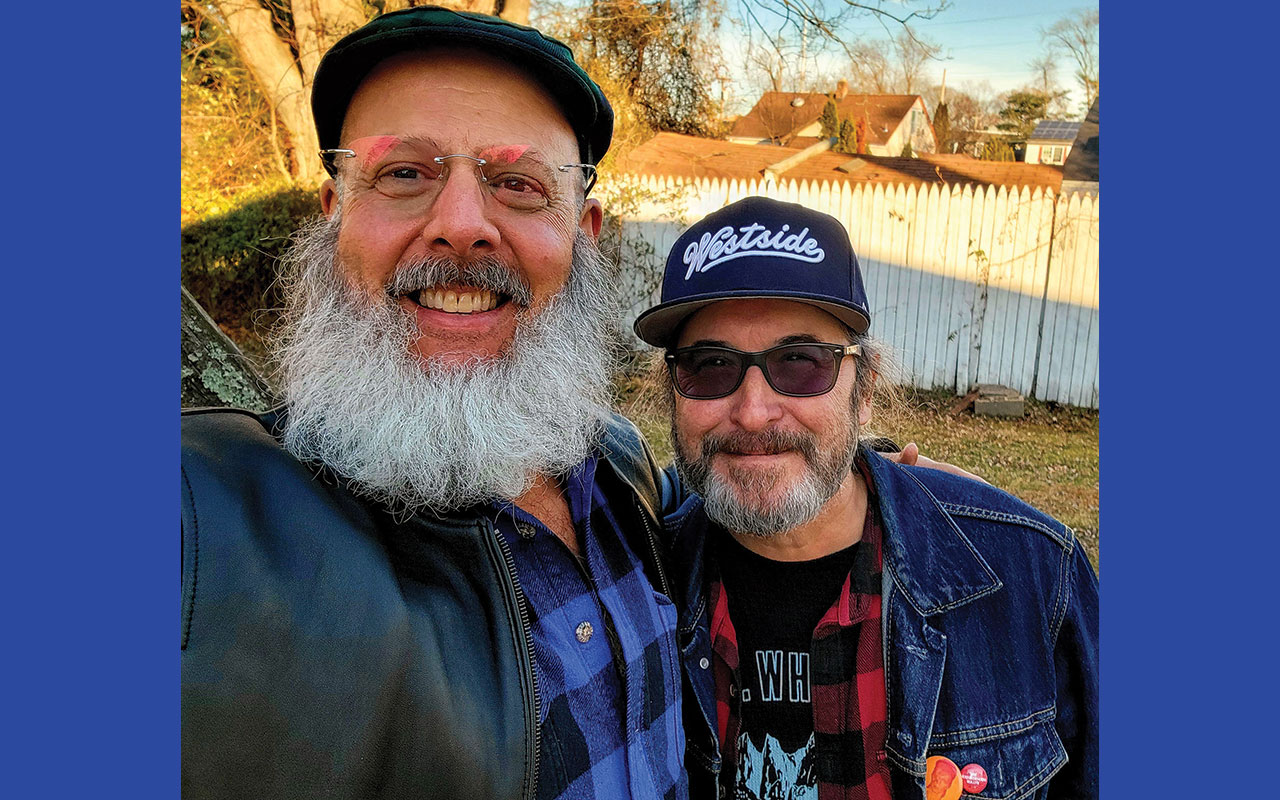
Can two people develop a healthy friendship if there’s even the potential that one of them might be attracted to the other? Any good relationship relies on trust and honesty. There will have to come a time when both parties are truthful about their intentions, so that a wholesome friendship can flourish. If one suspects that the other is seeking romance, or more, without reciprocity, there will need to be an assurance of platonic objectives. Or, if there is any carnal desire on the part of one of them, it must be self-regulated for the partnership to grow.
“Is it possible to be friendly with somebody you have an attraction to? Absolutely,” said renowned neuroscientist, New Jersey-based sex therapist, and relationship specialist Nan Wise. “It depends on how self-aware they are, and how good they are at communication. With friendship, everything starts with connection. The root of all relationships is friendship. If you don’t have a friendship, you’re not going to have a partnership with somebody. Sexual chemistry is a good new relationship energy. It gets people to pay attention to each other. But what allows us to have really good relationships with each other is friendship.”





How honest should one be in a newly budding friendship, especially if one is gay and the other is straight, for example? Wise continued, “If you see that the person seems comfortable with you, that may or may not come up as a topic of conversation. If it makes you feel more comfortable, then put it out there. I don’t think you could ever go wrong with a person by being clear and communicative.”
New Jersey-based licensed therapist and founder of Beyond Labels Counseling Antonio Quirindongo Jr., concurred, and added, “When it comes to us talking about a queer person establishing a friendship with a heterosexual person, it’s going to come out, right? At some point it’s going to be discussed what our sexuality is, whether it is that we’re asking, ‘Oh, are you in a relationship?’ And so, I think that as that comes up, then that’s the best time to address it — to really let it play out at its own time.”
So, should a gay man, for example, seek out a friendship with a straight man? Quirindongo said, “There’s always going to be a part of us that wants to try to fit in with other men. With straight men we meet, there’s always going to be a percentage of us that wants that kind of approval. Straight boys are the ones doing the bullying and doing the judgments. So, you grow up with this idea that you want this acceptance. And so, we queer people hide our differences. And we try to live life assimilating and adapting to what society says is normal. But we do that for safety purposes as well.
Maybe we’re just not ready to open that can of worms. It feels good to have a straight male friend because it feels like, ‘Oh, we did it. We got the approval.’ But then it’s really sweet to see that a heterosexual man can be an ally, can be loving, can be a really good friend, and is accepting and supportive of me.”






Wise added, “Men have a harder time than women do making friendships in the heterosexual community. Men often rely on their wives and partners for emotional intimacy. Heterosexual men tend more to be activity buddies than people who go deep. Heterosexual women tend to have more substantial female friendships. It would probably be a good idea for heterosexual men to learn how to have emotionally satisfying relationships with other men.”
Being a close friend to a gay man might be helpful, then. Similarly, friendships between other mixed sexual orientation people, a lesbian and a straight woman, a straight man and a lesbian, or a gay man and a straight woman, could be mutually beneficial.













Perhaps a hint of sexual attraction could spark a good friendship. Or maybe there’s an attraction between potential friends that is above, or even beyond, erotic. In any case, in order to be a good friend, emotional self-regulation is essential. Quirindongo suggested, “Individual therapy is a wonderful way to be able to work through a lot of the anxiety and the self-esteem concerns to build confidence. It’s also better to understand what it is that you’re actually looking for when it comes to friendships or different kinds of relationships.”
Wise added, “There’s always the opportunity for people to reprioritize, or prioritize for the first time, really good friendships of all sorts of shapes and sizes as an antidote to the stress we’re experiencing. People have trouble regulating, because people aren’t hanging out in real life as much as we need to. We can develop good friendship skills: give the benefit of the doubt, don’t rush to judge, find the understandable part when somebody does or says something that doesn’t make sense to you, and open up the communication.”
And so, here we are, a horde of people with different desires, attractions, and preferences, not spending enough time in the physical presence of others, with an indispensable need for connection, but inept at making good friends. The good news is that humans have an innate ability to communicate and the capacity to develop the skills needed to foster intimate relationships of all kinds. With a lot of self-understanding and the confidence to make the effort, a good friend might be right around the corner.