As queer people, becoming a parent doesn’t just happen. It takes preparation, it takes legwork, it takes paperwork, it takes money — and those are just the surface-level hurdles. In an effort to give prospective parents the resources they need to make an informed decision and take the next step, the Pride Center of Montclair and Garden State Equality hosted its first annual Queer Parentage Summit at Mountainside Hospital in Montclair. The room was filled with colorfully decorated tables, signaling that the other attendees and I were in the right place.
“This is a really exciting, first-of-its-kind summit in New Jersey,” said Lauren Albrecht, Senior Director of Advocacy and Organizing for Garden State Equality. “I think that when people decide that they want to be parents or think about the possibility of wanting to be parents, there’s always a lot of questions that may not be answered in a traditional structure for LGBTQ people. There are a lot of different possibilities and a lot of unique challenges to be an LGBTQ person and parent. And so, we just hope this answers those questions.”
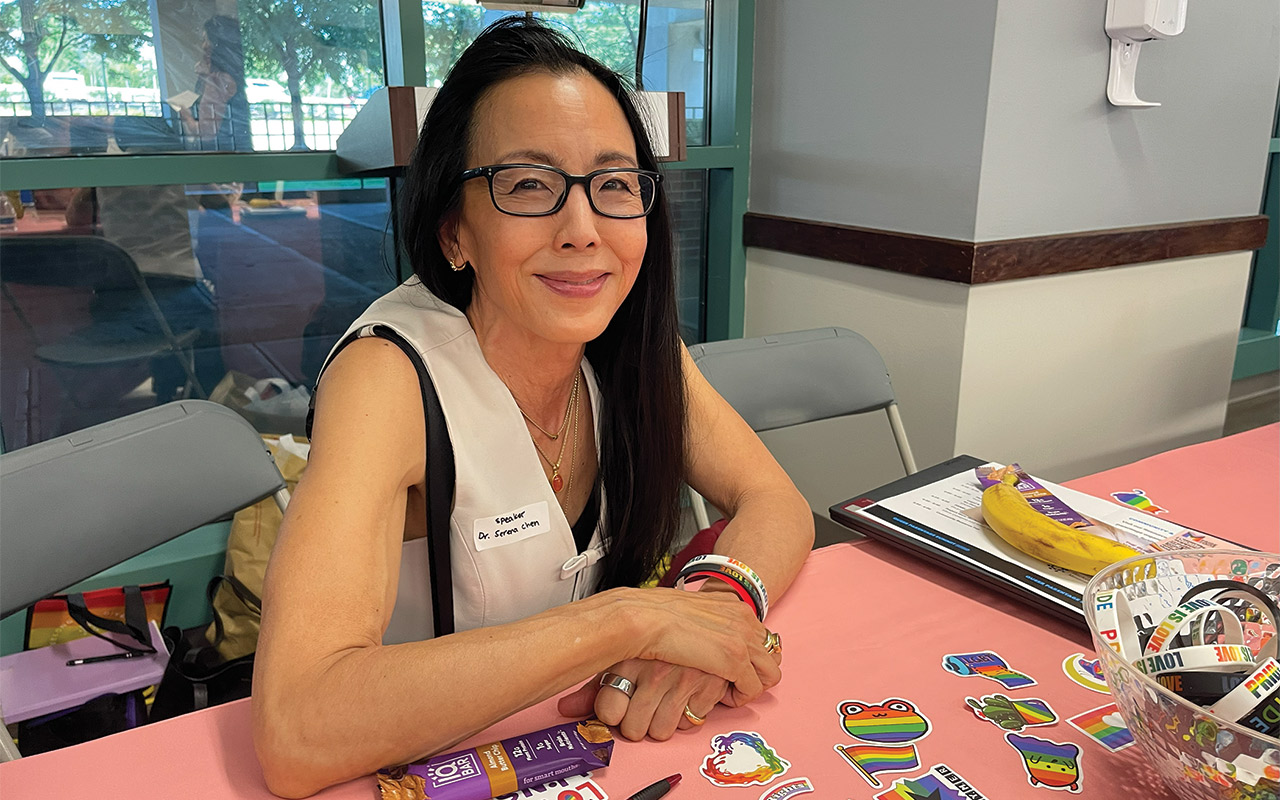
There were professionals at each section, offering advice and help for people who may not know where to start their parenting journey. I met Dr. Serena H. Chen, the Director of Advocacy at CCRM New Jersey, which offers fertility treatments and services. She was on the working committee to pass the recent state law that requires insurers to cover infertility treatments for LGBTQ people. Before Gov. Phil Murphy signed the bill into law last year, insurance companies didn’t have to cover IVF and the like, because queer people weren’t considered medically infertile. “It recognizes that everybody in New Jersey that’s struggling to have a family and needs help should have coverage,” Dr. Chen explained.





Before the legislation, known as A5235/S3627, passed, Chen saw people go through grueling processes just for a slight chance at having a child. She says the law was updated in 2018, but insurance companies found a loophole. “A lot of my patients were suffering,” she recalled. “They were making my lesbian couples do 12 months of IUI (intrauterine insemination) with donor sperm, paying for all of that out of their own pocket before they would qualify to be considered infertile. And that’s why we really needed to change the law.”
Her advice for queer people? Know the law, and get things in writing. “Unfortunately, in our broken healthcare system, everybody does have to be well-informed and educated and aware and able to advocate for themselves,” Chen said. She also pointed out that the law didn’t take effect until August, so insurance providers are still learning to pivot their coverage decisions based on it. “And if something doesn’t seem right, then know where to reach out. You know, reach out to Garden State Equality, reach out to your doctor, reach out to your billing coordinator. Organizations like American Society for Reproductive Medicine (ASRM) and Resolve.org are great patient organizations for infertility.”
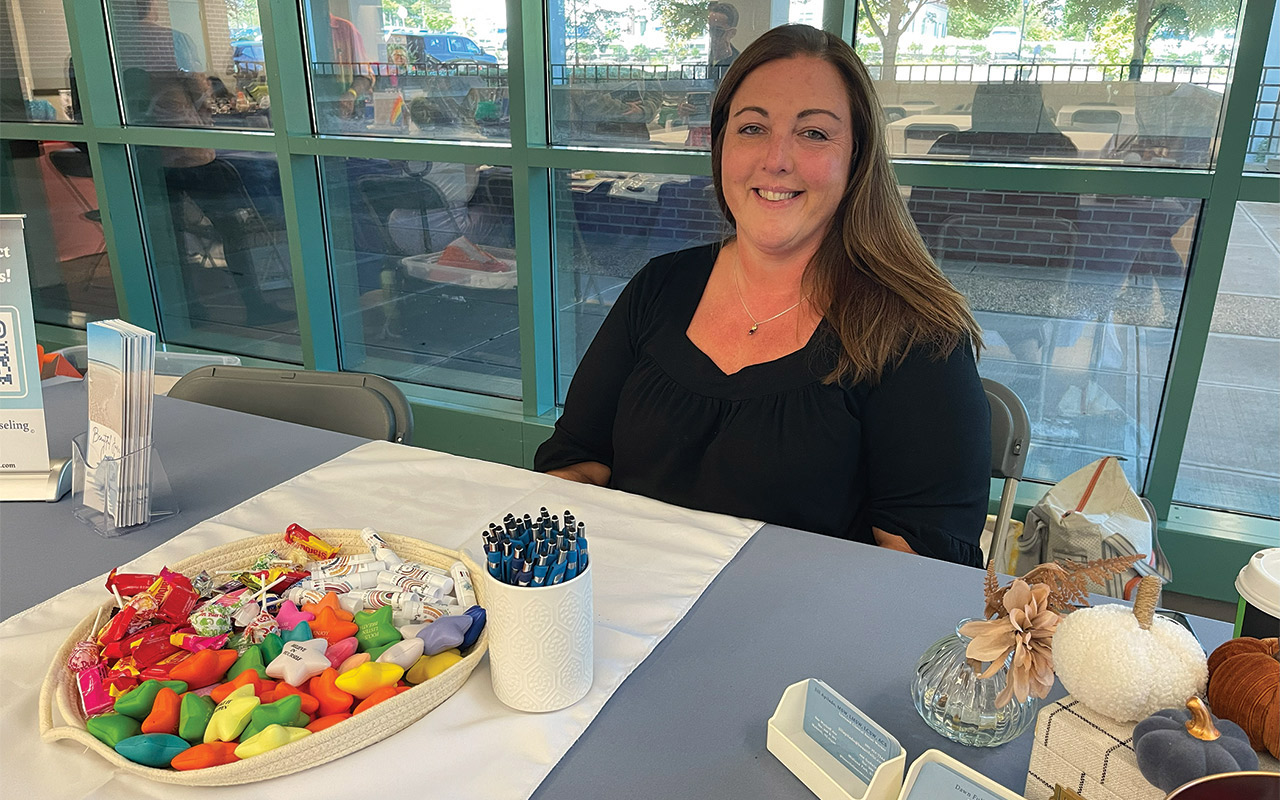
But the summit didn’t just cover conception. Mental health is also an important component that many people might not take into consideration. “I think being able to talk about this with somebody in a trusted atmosphere, in a safe space, kind of helps us move forward and work through the emotions that we experience throughout this,” said Dawn Fuller, a licensed professional counselor with Beautiful Journey Counseling in Midland Park, “including day-to-day stressors in this political climate and all the things. So it all kind of impacts one another in different layers. And, you know, working with somebody who trained especially in perinatal mental health is really important.”
That focus on mental health was big for Sarah Gutierrez, a prospective mother from West Orange. “I think that because of the way that we grew up, especially me being Asian, we didn’t really talk about all those things. And so I want to change that for our kid.”





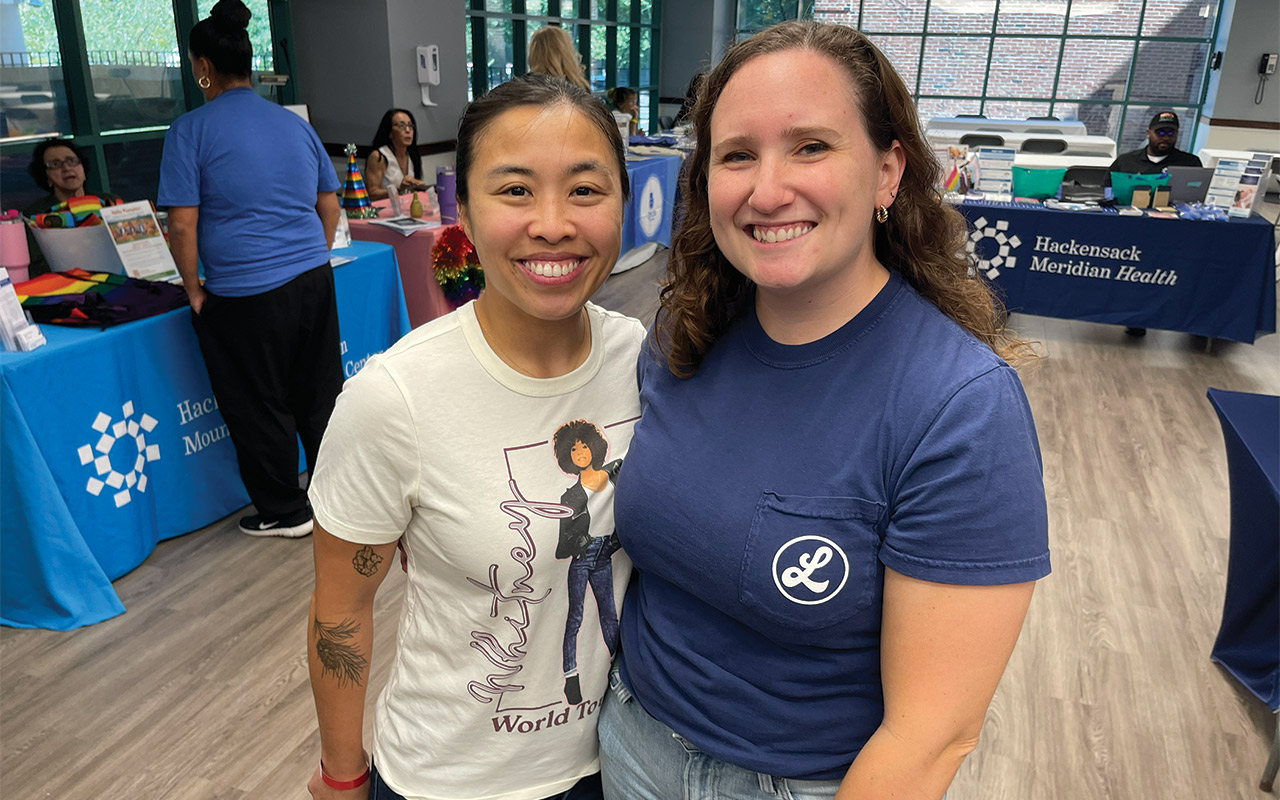
“The world’s just very different, no matter where we’re at and where we’re going,” Gutierrez’s partner, Kelly, added. “And who knows where everything is going? So just having the community and being more involved and knowing about resources is just so important, especially as we go to have kids because we don’t want to screw them up.”
Their excitement to become mothers, and the care with which they’re approaching it, were palpable. They’re currently going through the egg retrieval process to see if one of them will be able to become pregnant with their future child. Adoption is on the table, but with Kelly’s job with a local school system, the insurance makes fertilizing an egg and then carrying it is more financially achievable.













The summit provided reliable information for these younger people looking to take a step toward parenthood. “We’re on the fence about becoming parents in the next five years or so,” Jersey City’s Peter Quinn said, referencing his partner, Sammy Lu. “And so we just wanted to arm ourselves with some knowledge because, I mean, even in the best of times, it’s a process for queer folks to figure out how to start a family. And you know, given the current political climate, [we’re] just kind of trying to learn the nuts and bolts of this other than just, you know, reading random Internet posts that might leave out some context.”
“I don’t know what the landscape’s gonna be like in the next four, five, six years, whether there’s going to be a lot more schools that could be inclusive or very LGBT-accepting,” Lu added.
“I was a public school teacher,” Quinn explained. “So I’m very pro-public schools. I’d like to send a kid to public schools. But you know, some areas of the state would be better to send a kid with queer parents to than others. So that’s another thing we have to think about.”
While the event had resources for parents, there was also a corner for the kid — complimentary coloring accoutrement, stickers, and toys to keep them occupied while their folks did the “grown-up stuff.”
The big takeaway from this whole day was that information is key. “The biggest, biggest thing to do is get informed,” Dr. Chen told me. “Read as much as you can. Talk to friends that have been through the journey. And I think it’s a good idea to set up an appointment. You can just show up and just say, ‘I know I want to have a family. I don’t know how that’s going to go. What do I need to know?’ Because that’s what we’re there for. And having a conversation and becoming informed, I think, is the first step.”