In a time when LGBTQ stories are often debated in the public sphere and queer identities continue to be politicized, representation on stage becomes more than aesthetic. It becomes survival.
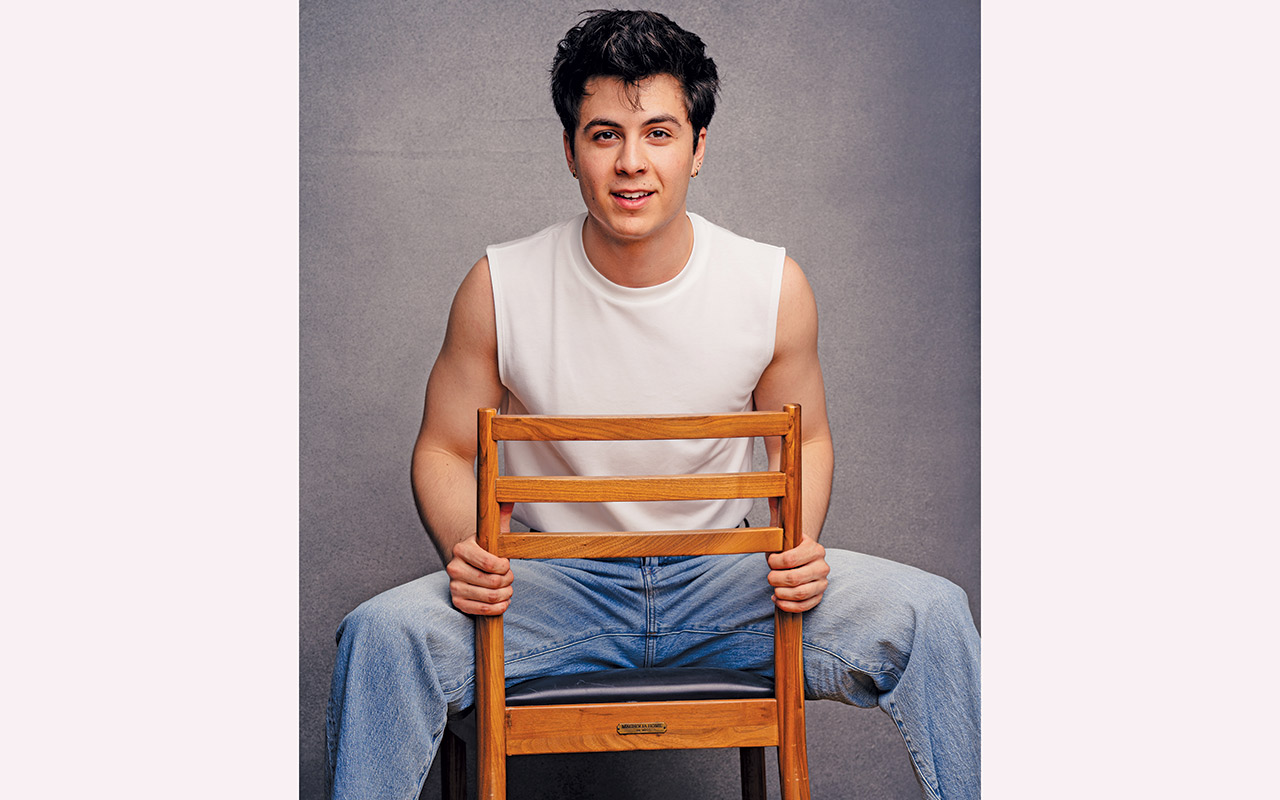
For two of & Juliet‘s standout cast members, Mateus Leite Cardoso and Nick Drake, the visibility the show provided was about more than checked boxes — it was about holding space. Cardoso plays shy Francois, who falls in love with May, brought to life by Drake. “May and Frankie actually have the Romeo and Juliet love story,” said Drake. “We’re from two different families that aren’t supposed to love each other, but we find each other and have this cutesy teenage romance, which is really lovely.” This queer angle is not only new to the well-known story — it makes it a deeply personal revolution for those who recognize this love story as their own.





For Cardoso, “It’s not just about representation, it’s about affirmation. Like saying, ‘Hey, you exist, and your story matters.’ That’s huge.”
Both artists bring more than talent to the stage. They bring their lived experience. As queer performers in an industry still grappling with representation, Cardoso and Drake understand the power of visibility — and the necessity of truth. “You know, for me, growing up as a queer kid, I didn’t always see myself represented in media or on stage,” Cardoso said. “So being in a show like & Juliet where queerness is celebrated openly, it feels powerful.”
The affirmation they reference is felt deeply by audiences, particularly queer youth who may be seeing their reflections in the spotlight for the first time. There is no attempt to hide the queerness in subtext — it embraces it in full color, offering a radical alternative to narratives that center queer pain or tragedy.
Drake, who identifies as nonbinary, speaks candidly about navigating the performance industry as a gender-expansive person. “Being nonbinary in this industry still feels like uncharted territory sometimes. But roles like this, they’re changing things.”
And those changes matter. Each performance not only challenges outdated gender norms but also reshapes the expectations of what stories theater can tell — and who gets to tell them. “Living your truth isn’t always easy,” Drake continues, “but when you get to do it on stage, in front of people, it’s healing. I didn’t always believe there was space for people like me in theatre. But now I am the space.”




Cardoso agrees, pointing to the ripple effect authenticity can have, both personally and communally. “Being your authentic self, especially as a queer person, takes courage. But when you do, it frees others to do the same.”
That freedom — the ability to be wholly oneself without apology — is the heart of their performances. Where traditional narratives often silence or marginalize queer voices, this show sings them loud. In place of coded queerness or tragic endings, audiences witness queer love, queer friendship, and, perhaps most radically, queer joy.













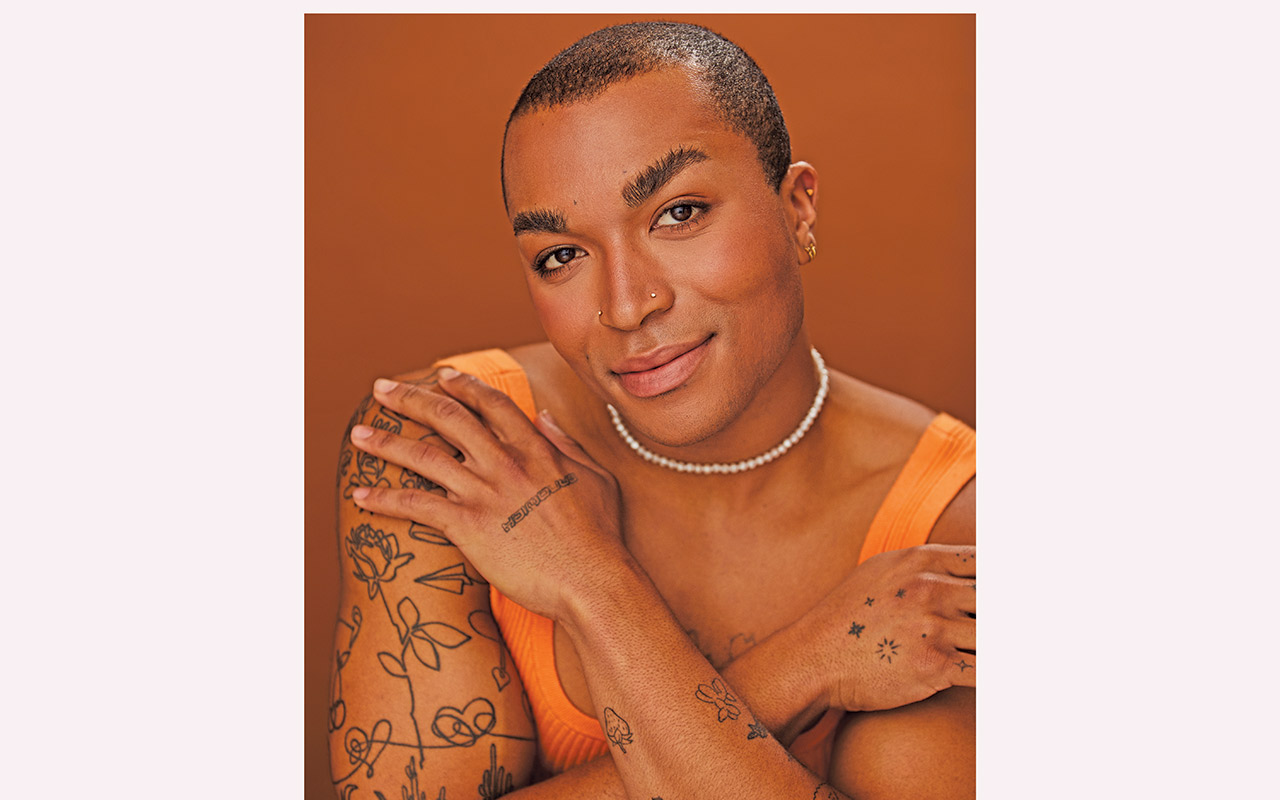
“There’s something radical about queer joy,” says Drake. “We’re used to seeing queer pain in stories, but joy? That’s revolutionary,” Drake said. “Sometimes the most radical thing we can do is be joyful, loud, and unapologetically ourselves in a world that expects us to be quiet.”
These characters are empowered to rewrite their own stories — literally and figuratively. The show plays with Shakespeare’s pen, handing it back to Juliet and, in doing so, offers a broader message: You have the right to author your own life, to choose love on your terms, and to exist beyond anyone else’s script.
For Cardoso, this is where the show’s resonance becomes deeply personal. “I think younger me would’ve cried seeing this show,” they said. “It tells queer kids they’re valid, that love is love, and that joy belongs to them too.”

And joy, as both performers highlight, is not merely a feel-good moment — it’s a form of resistance. In a world where LGBTQ stories are often censored or reduced to trauma, joy becomes an act of defiance. It insists on queer futures that are bright, whole and worth celebrating. “Theater has always been a space for transformation and truth,” Drake reflects. “When that truth includes queer identities, it becomes even more powerful.”
Indeed, the stage has long been a mirror, a battleground, and a home for those who live outside the margins. But with shows like & Juliet and artists like Cardoso and Drake leading the charge, the narrative is shifting. Their presence reminds audiences that being queer is not a subplot — it’s a story worth centering.

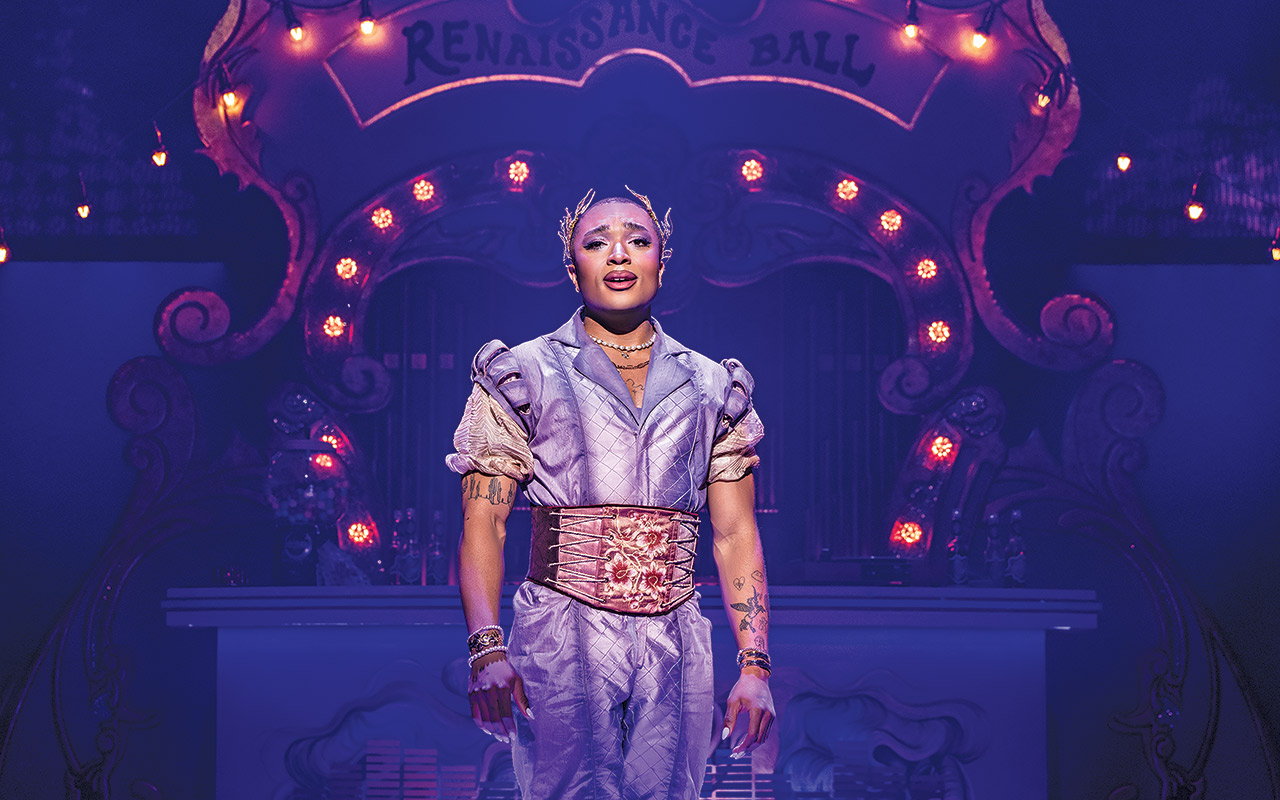
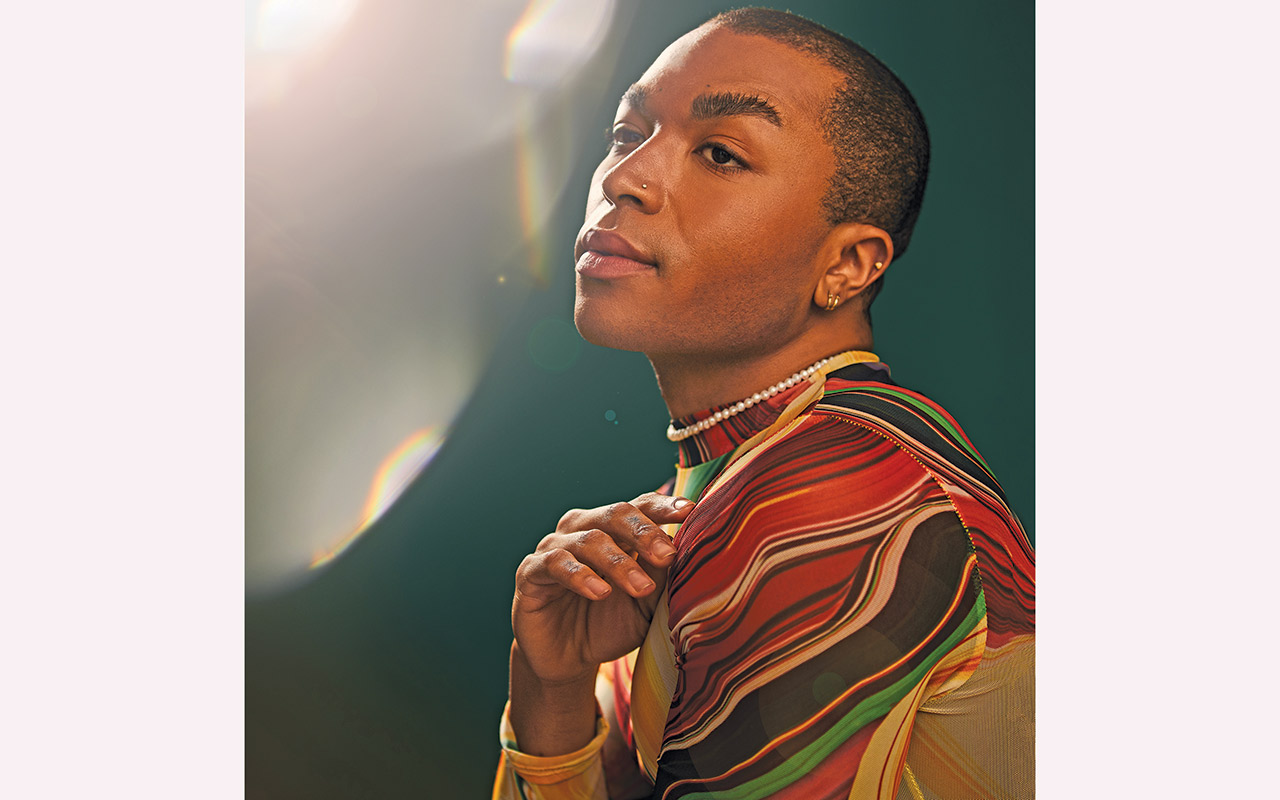
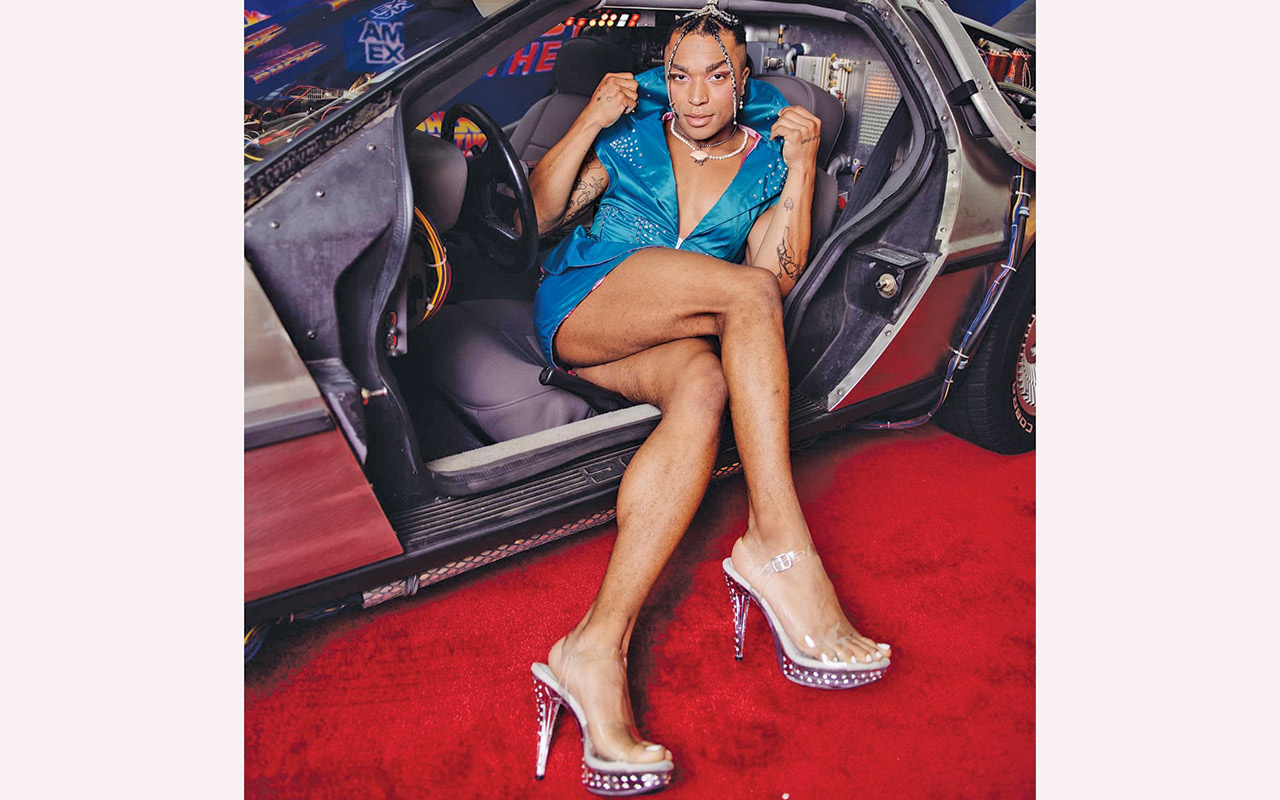
As theatre evolves to embrace diversity in both casting and storytelling, it begins to fulfill its true purpose: a place where every truth can be seen, heard and celebrated.
@nickxdrake
@mateus.leite.cardoso